
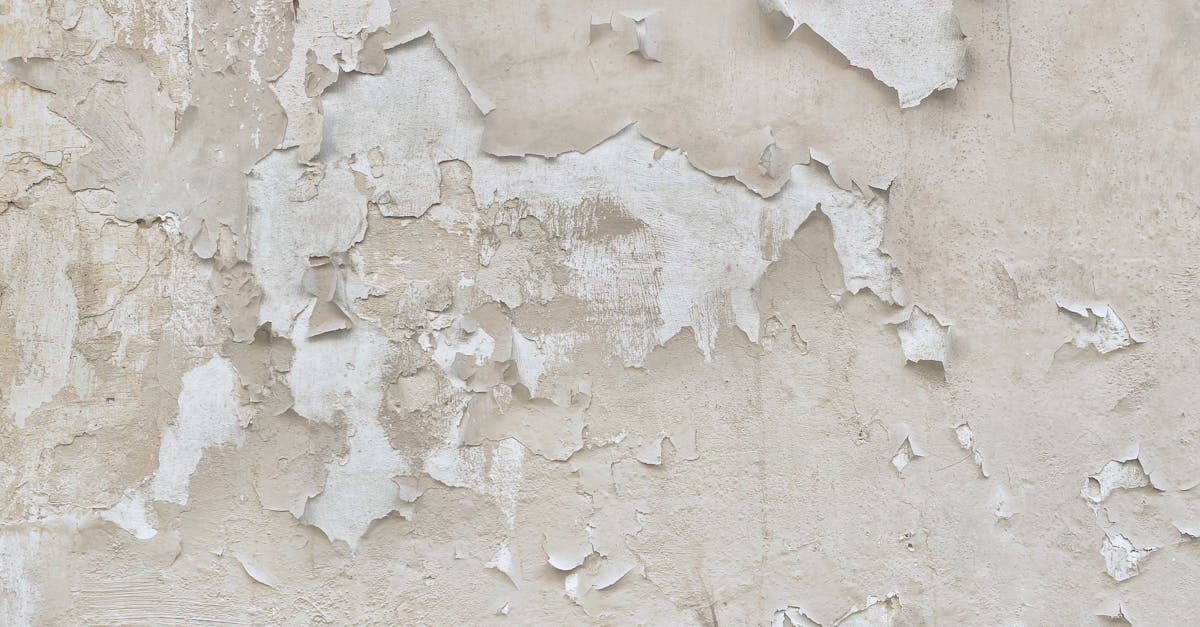
Plaster that loosens or falls from a wall is alarming and can signal anything from simple surface wear to hidden structural or moisture problems. You need a clear approach to find the real cause and decide whether you can fix it yourself or call a pro.
The main causes are moisture, poor bond to the substrate, structural movement, material or application errors, and salt damage, each of these issues requires a different fix.
This guide walks you through how to spot the likely cause, quick safety steps, DIY repairs that work, when to call a professional, and how to prevent the problem from returning.
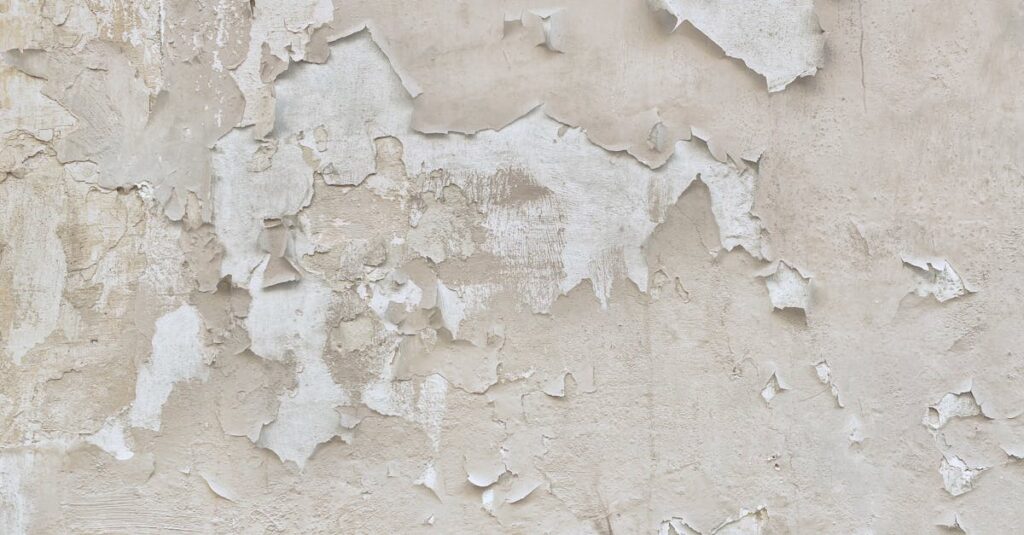
Common Causes Of Plaster Detachment
Moisture-Related Problems (Leaks, Rising Damp, Condensation)
Moisture is the most common reason plaster loses adhesion. Leaks from roofs, pipes, or windows can saturate plaster and the backing, causing the plaster to swell, soften, and detach.
Rising damp draws ground moisture into walls. Salts carried by the water crystallize as it evaporates, pushing plaster away from the wall.
Condensation in poorly ventilated rooms leads to regular wetting of the plaster face and eventual bond failure.
You can check for moisture by looking for tide marks, peeling paint, or a musty smell. For US guidance on indoor moisture and mold you can consult the EPA.
Substrate And Adhesion Issues (Poor Bond, Dirty Or Painted Surfaces)
Plaster must bond to a clean, compatible surface. Old paint, grease, or dust will block adhesion. Smooth or sealed surfaces like gloss paint or existing sealed render give poor mechanical key for new plaster.
If plaster was applied directly over unstable lath, plasterboard with loose joints, or improperly keyed masonry, it can detach as the bond ages. In older buildings, lime plaster needs a porous backing. Modern gypsum over a dirty wall often fails.
A quick test is to tap the wall: hollow sound and loose flakes suggest adhesion defects.
Structural Movement And Vibrations (Cracks, Settlement)
If the structure moves slightly, that movement can crack bonds and make plaster fall away. Small settlement cracks around doors and windows often lead to local plaster failure.
Heavy vibrations from nearby construction or traffic can fatigue weak plaster and cause it to separate from the substrate. Load changes, timber shrinkage, or a failing lintel may create new movement and worsen existing splits.
Look for diagonal cracks, widening gaps, and repeat movement after temporary fixes: those signs point to a movement problem.
Material And Application Errors (Wrong Mix, Inadequate Curing)
Using the wrong plaster mix or incorrect water ratio weakens the set and reduces bond strength. Gypsum plaster applied too thickly, or not allowed to cure properly, can shrink and detach.
Applying plaster in extreme temperatures or direct sun interferes with curing. Rapid drying leads to poor adhesion and cracking.
Insufficient keying between coats or skipping a bonding coat also leads to future failure.
Proper mixing, correct layer thicknesses, and correct curing time are small steps that prevent large problems.
Salt Damage And Efflorescence
When salts in the masonry migrate to the plaster surface, they crystallize and push the plaster off. This process is common with rising damp but can also result from contaminated render or mortar.
Salt attack often shows as white powdery deposits or blistering plaster at low level. Salt problems require treating the moisture source and removing contaminated plaster before replacing it.
Without addressing salts first, new plaster will fail again in the same area.
How To Diagnose The Root Cause
Visual Inspection: Crack Patterns, Staining, And Location
Start by mapping where plaster has fallen and where it remains. Stains and tide marks indicate moisture paths. Cracks that run from structural features point to movement.
Low-level damage often suggests rising damp or salt. High or localized patches near a pipe or roof hint at leaks.
Document patterns with photos. That helps a contractor or engineer later.
Moisture Testing And Thermal Imaging Techniques
A moisture meter gives quick relative humidity readings in the wall: high readings suggest an active moisture source. Thermal imaging can reveal cold spots where water runs or where insulation is missing.
Both tools help locate hidden leaks and separate condensation from rising damp.
For trusted guidance on damp and mold you can read EPA resources on moisture control.
Tapping Tests, Layer Checks, And Sample Removal
Tap tests help find hollow areas. Mark the zones and remove small samples to check layers and salts. Cutting a small inspection hole reveals the substrate, layer thickness, and whether a bond coat exists.
Where sampling reveals salts or rotting backing, deeper repair and treatment are needed.
Immediate Safety And Damage Assessment
Assess Structural Risk And Falling Debris Hazards
If large sections are loose, protect anyone under the area. Falling plaster can injure people and damage floors or furniture. Look for cracks that align with structural members. If you suspect structural failure, stop work and consult an engineer.
Small flakes are less urgent, but larger separations need cordoning off and quick action.
Temporary Containment And Short-Term Repairs
Use dust sheets, drop nets, or timber props to stop further collapse. Remove loose material safely and collect debris.
For shallow, non-structural loss, apply a proprietary filler or adhesive as a short-term hold until a permanent repair can be completed. Keep the area dry and ventilated to prevent further moisture accumulation.
If the source is a leak, isolate the water supply or roof covering immediately and call a tradesperson.
DIY Fixes And When They Work
Small Patches And Rebonding Loose Plaster (Step-by-Step)
For small loose areas you can do a durable repair. Remove loose plaster to sound edges, clean the substrate, and remove salts with a dry brush.
Apply a bonding agent to the substrate and reattach plaster using grout or adhesive for hollow spots. Fill gaps with a finishing plaster in thin coats.
Sand lightly after cure and repaint with a breathable paint if salt was present. These repairs work when moisture is controlled and the failure is local.
Tools, Materials, And Correct Mixing Ratios
You will need a hammer and bolster, chisel, wire brush, moisture meter, bonding agent, plaster or patching plaster, trowels, and sandpaper.
Follow manufacturer mix ratios closely. For gypsum finishes, stick to the water-to-powder ratios on the bag.
Clean mixing and correct curing time are essential for bond strength.
Common Mistakes To Avoid In DIY Repairs
Don’t plaster over wet walls. Don’t skimp on surface preparation. Avoid thick single coats of plaster.
Using non-breathable paints over damp repairs will trap moisture and cause repeat failure.
If you see repeating wet marks after repair, stop and find the moisture source before re-plastering.
When To Call A Professional
Signs You Need A Plasterer, Builder, Or Structural Engineer
Call a plasterer for large or skilled finishing work. Call a builder when the damage involves structural elements or large areas.
Call a structural engineer if cracks are wide, stair-step through brickwork, or you suspect load-bearing failures. If plumbing, roof leaks, or damp courses are involved, you will need specialized trades.
Diagnosing And Fixing Hidden Causes (Plumbing, Damp Proofing)
Hidden causes like leaking waste pipes or failed damp proof courses need expert diagnosis. A contractor can use cameras, moisture logs, and lab salt tests.
Damp proof course replacement or trenching for external drainage are specialist jobs.
For details on damp proofing techniques and best practice you can reference government or trade body guidance such as HistoricEngland for older buildings.
Estimating Costs And What To Expect From A Contractor
Expect a contractor to provide a written diagnosis, scope of work, and cost breakdown. Costs vary with access, extent of plaster removal, and any damp treatment needed.
Simple local patches are low cost. Full replastering after damp work or structural repair is higher.
Get at least two quotes and check references before hiring.
Prevention And Long-Term Maintenance
Controlling Moisture: Drainage, Ventilation, And Damp Proofing
Prevent moisture with good roof and gutter maintenance, correct drainage away from foundations, and working vents or extractor fans in kitchens and bathrooms.
Maintain external render and pointing to keep water out. Fix leaks promptly.
A proactive moisture strategy reduces plaster failures significantly.
Proper Surface Preparation And Plastering Best Practices
Prepare surfaces by removing loose materials and contaminants, apply a key or bonding coat where needed, and follow correct layer thickness and curing times.
Use appropriate plaster type for the substrate and environment. Lime plasters suit older, breathable masonry.
Good technique at first installation removes many later repairs.
Regular Inspections And Exterior Maintenance To Prevent Recurrence
Inspect roofs, gutters, flashings, and external walls annually. Look for signs of blocked drainage or damaged pointing. Check interior walls where plumbing runs and around windows for early signs of damp.
Small, early repairs save time and money compared with full rework.
Frequently Asked Questions
What are the main causes of wall plaster falling off?
Wall plaster falling off is usually caused by moisture (leaks, rising damp, condensation), poor adhesion to the substrate, structural movement or vibrations, material/application errors (wrong mix or poor curing), and salt damage (efflorescence). Each cause needs a specific diagnosis and repair approach.
How can I tell if plaster is detaching because of moisture or structural movement?
Map damage location: low-level tide marks and white salts point to moisture or rising damp; localized patches near pipes/roof suggest leaks. Diagonal cracks, widening gaps, or repeat movement after repairs indicate structural movement. Use a moisture meter and tapping tests to confirm the cause before repairing.
Can I fix small areas of plaster falling off myself, and what are the steps?
Yes, for small, non-structural areas: remove loose plaster to sound edges, clean substrate, remove salts, apply a bonding agent, reattach backing if hollow, and finish with thin plaster layers. Ensure the moisture source is controlled and follow correct mixing and curing times for durable results.
When should I call a professional for plaster that’s falling off?
Call a plasterer for large or skilled finishing work, a builder for wide-area or structural damage, and a structural engineer for wide cracks, stair-step brick faults, or suspected load-bearing failures. Also call specialists for persistent damp, leaking plumbing, or failed damp proof courses.
How can I prevent plaster from falling off again after repair?
Prevent recurrence by fixing moisture sources (gutters, drainage, leaks), improving ventilation, using correct plaster type and surface preparation, applying bonding coats, and inspecting roofs and pointing regularly. For older masonry use breathable lime plaster and treat salt-contaminated areas before replastering.
Read More: