
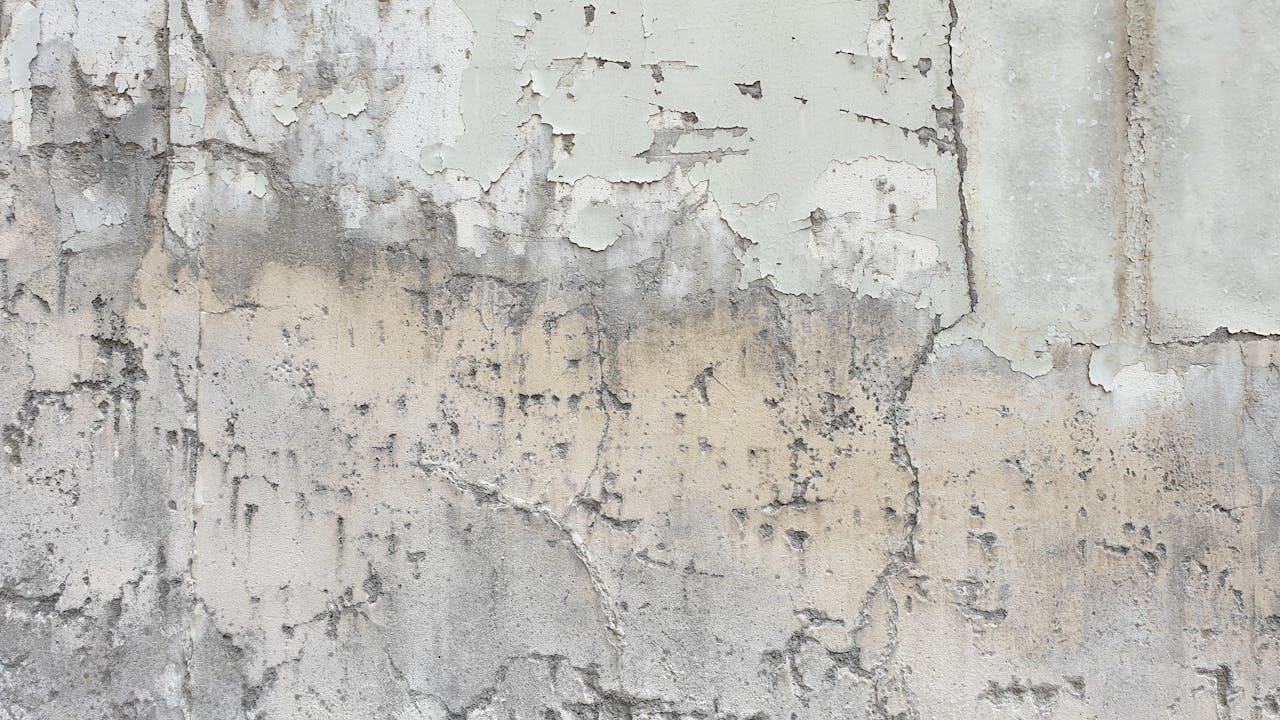
Wall cracks are one of those home problems that can feel either trivial or terrifying, depending on what you’re looking at. You might spot a thin line while painting a bedroom, or you could notice a gap that seems to grow wider each season. The good news: most wall cracks are fixable, and you don’t need a contractor for every single one.
Wall cracks develop from various causes, foundation settling, temperature shifts, moisture problems, or poor construction, and fixing them depends entirely on how severe they are. Some cracks need only spackling compound and paint. Others signal deeper issues that demand professional attention.
Understanding the difference between a cosmetic issue and a structural problem is the first step to protecting your home. This guide walks you through what causes wall cracks, how to assess their seriousness, and which fixes you can tackle yourself.
Why Wall Cracks Develop
Structural Settlement And Foundation Movement
Your home shifts over time. When soil beneath your foundation settles unevenly, the structure above it follows. This foundation movement causes stress on walls, which respond by cracking. New homes settle the most during their first year or two, but older houses can experience delayed settling if soil becomes unstable due to drainage issues or tree roots.
Foundation movement isn’t always a sign of disaster. Slight settling is normal and expected. But, if you notice cracks spreading rapidly or doors and windows that won’t close properly, foundation issues may need professional evaluation.
Temperature And Humidity Changes
Drywall and plaster expand and contract with temperature and humidity. During winter, indoor heating lowers humidity levels, causing materials to shrink. Summer heat and moisture cause them to swell. This constant movement puts stress on joints and seams, often resulting in cracks along corners or where walls meet ceilings.
You’ll see these cracks most often in rooms with poor insulation or inconsistent climate control. Basements and attics are particularly prone to this type of damage. The cracks usually appear in predictable locations and are typically cosmetic.
Water Damage And Moisture
Water is one of your wall’s worst enemies. When moisture seeps into drywall or masonry, it weakens the material. Leaky roofs, plumbing problems, poor drainage, or foundation leaks all introduce unwanted water. As the water dries, the material shrinks, creating cracks. Wet walls also develop mold, which further compromises structural integrity.
If you notice cracks near water sources, bathrooms, kitchens, or exterior walls, moisture is likely the culprit. Address the water source first, or the cracks will return even after repair.
Poor Construction Or Aging Materials
Some cracks stem from shortcuts taken during building. Inadequate joint taping, poor framing, or low-quality materials set the stage for problems. Also, drywall and plaster naturally age. After 20 or 30 years, these materials become more brittle and prone to cracking from minor stress.
Older homes often show cracks simply because the materials have weakened over decades. If your house is over 25 years old and showing new cracks, aging materials could be the reason.
Identifying The Severity Of Wall Cracks
Hairline And Cosmetic Cracks
Hairline cracks are barely wider than a pencil line and are purely cosmetic. You can cover them with paint or ignore them entirely. These cracks appear commonly along drywall seams or in corners. They’re caused by normal settling, temperature changes, or minor humidity shifts. No structural risk exists with hairline cracks.
Cosmetic cracks also include spiderweb patterns or very shallow surface damage. They don’t indicate foundation issues and won’t worsen over time in most cases. A quick coat of paint or some spackle keeps them invisible.
Moderate Cracks
Moderate cracks are wider than a pencil lead but thinner than a dime. They’re visible and may run several feet. You can repair these yourself using spackling compound or patching plaster. But, if a moderate crack appears suddenly, spreads quickly, or occurs in multiple locations, have a professional inspect your home.
These cracks suggest the wall experienced stress but not necessarily catastrophic damage. They may reappear seasonally, especially in climates with extreme temperature swings. Regular monitoring helps you catch worsening conditions.
Severe Structural Cracks
Severe cracks are wider than a quarter inch, often with jagged or stair-step patterns. They may run diagonally across walls, spread through multiple rooms, or cause doors and windows to stick. These cracks indicate real structural concerns and require professional assessment.
Severe cracks can signal foundation failure, serious settling, water damage, or failed load-bearing walls. Do not attempt DIY repairs on severe cracks. Call a structural engineer or experienced contractor to evaluate your home.
Simple Fixes For Minor Wall Cracks
Preparing The Wall Surface
Before you fill any crack, prepare the area properly. Dust out loose debris using a wire brush or vacuum with an attachment. Remove paint, loose plaster, or drywall fragments around the crack. If the crack has rough edges, sand them smooth. This gives your filler material better contact with the wall.
Check for any active water leaks or moisture. If the wall feels damp, allow it to dry completely before patching. Filling a wet crack traps moisture inside and causes the repair to fail. Use a moisture meter to verify the wall is dry, especially in bathrooms or basements.
Once the area is clean and dry, you’re ready to fill.
Filling Small Cracks With Spackling Compound
For hairline and small cracks up to about 1/8 inch wide, use spackling compound. This lightweight, easy-to-apply material is perfect for cosmetic repairs. Apply it with a putty knife, pushing the compound into the crack. Overfill slightly, then smooth it flush with the wall. Let it dry according to package directions, usually 2 to 4 hours.
Once dry, sand the area lightly with fine-grit sandpaper to make it smooth and even with the surrounding wall. Prime and paint the patched area. One application of spackling usually suffices for hairline cracks.
| Crack Size | Best Product | Drying Time | Sanding Needed |
|---|---|---|---|
| Hairline to 1/8″ | Spackling compound | 2-4 hours | Yes |
| 1/8″ to 1/4″ | Joint compound | 4-8 hours | Yes |
| 1/4″ to 1/2″ | Patching plaster | 24 hours | Yes |
| Over 1/2″ | Professional repair | Variable | Variable |
Patching Medium Cracks
Medium cracks wider than 1/8 inch but less than 1/2 inch need tougher repair material. Joint compound (also called drywall mud) or patching plaster works well. These materials shrink as they dry, so you may need two or three coats on deeper cracks.
Apply the first coat, feather the edges outward, and let it dry. Sand lightly between coats. Apply additional coats until the patched area is level with the wall. The final coat should be thin and smooth. Prime and paint after the final coat dries.
For the best results, apply patches in thin layers rather than trying to fill the entire crack at once. This reduces shrinkage and cracking of the repair material itself.
When To Call A Professional
You should call a professional if you notice any of these warning signs:
- Cracks wider than 1/2 inch
- New cracks appearing regularly or spreading quickly
- Cracks in multiple rooms or in basement walls
- Diagonal or stair-step crack patterns
- Cracks accompanied by stuck doors or windows
- Evidence of water seeping or pooling
- Bowing or bulging walls
- Cracks in concrete or brick foundations
A structural engineer can assess whether cracks indicate serious problems like foundation failure. They use tools like laser measures and moisture sensors to evaluate damage. Getting a professional opinion costs less than ignoring a serious structural issue.
If your home is older, shows foundation cracks, or experiences foundation shifting, have a professional inspect it before attempting repairs. Early detection of foundation problems saves thousands in repair costs later. Many contractors offer free inspections, so you can get expert advice without commitment.
Preventing Future Wall Cracks
Prevention is always cheaper than repair. Control your home’s environment to minimize stress on walls. Keep indoor humidity between 30 and 50 percent using a humidifier or dehumidifier. Maintain consistent temperatures, sudden swings stress materials.
Good drainage is critical. Make sure gutters and downspouts direct water at least four feet away from your foundation. Grade soil to slope away from the house. Fix roof leaks immediately, and check plumbing regularly for hidden water damage.
Inspect your foundation twice yearly, spring and fall, for new cracks or signs of water damage. Early detection prevents small issues from becoming expensive problems. Seal foundation cracks and gaps with appropriate materials from https://www.concrete.org or similar resources.
For new construction, ensure proper ventilation and moisture control during the framing and finishing stages. Have framing inspected before drywall installation. Quality materials and careful installation prevent many future cracks. With proper maintenance and climate control, you’ll minimize wall crack problems.
Frequently Asked Questions
What causes cracks in walls and when should I be concerned?
Wall cracks develop from foundation settling, temperature and humidity changes, water damage, or poor construction. Hairline cracks are cosmetic and harmless, but cracks wider than 1/4 inch, spreading rapidly, or appearing diagonally across walls signal structural issues requiring professional inspection.
Can I fix wall cracks myself?
Yes, hairline to small cracks (up to 1/8 inch) can be repaired with spackling compound and paint. Medium cracks (1/8 to 1/2 inch) need joint compound or patching plaster applied in thin layers. Do not attempt DIY repairs on cracks wider than 1/2 inch—contact a professional.
How do I know if a wall crack is structural or cosmetic?
Cosmetic cracks are hairline-thin, appear along seams, and don’t worsen. Structural cracks are wider than 1/4 inch, diagonal or stair-step patterned, spread rapidly, or occur with stuck doors/windows. When in doubt, have a structural engineer evaluate severe wall cracks.
What should I do if moisture is causing wall cracks?
First, identify and fix the water source—roof leaks, plumbing issues, or poor drainage. Address the moisture problem before repairing cracks, or they’ll reappear. Ensure the wall is completely dry before patching, using a moisture meter if needed.
How can I prevent wall cracks in my home?
Control indoor humidity (30-50%), maintain consistent temperatures, ensure proper drainage away from foundations, fix roof leaks promptly, and inspect your foundation twice yearly. Seal existing foundation cracks and maintain good ventilation to minimize future damage.
What’s the difference between spackling compound and joint compound for repairs?
Spackling compound works best for hairline to 1/8-inch cracks and dries in 2-4 hours. Joint compound (drywall mud) handles larger cracks up to 1/4 inch and takes 4-8 hours to dry. Both require sanding and may need multiple coats for deeper cracks.
Read More: