
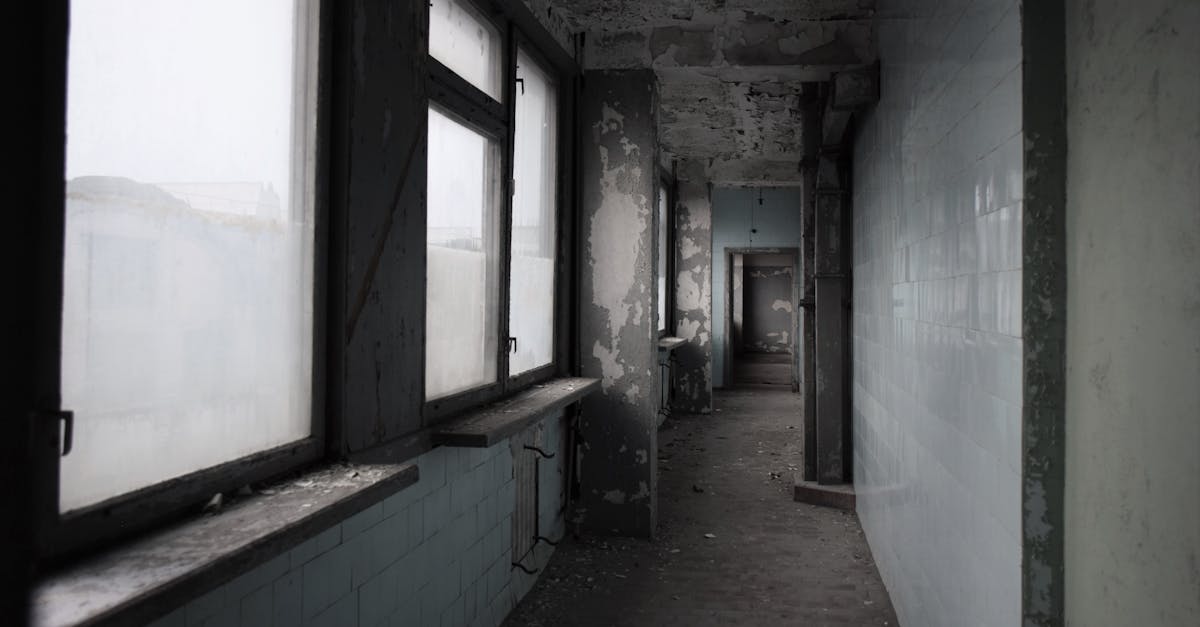
You walk past a wall in your home or office and notice something troubling, paint is peeling away in strips, bubbling at the edges, or flaking off in chunks. Your first instinct might be to grab a paint roller and cover it up, but that quick fix won’t solve the real problem underneath. Peeling paint is your wall’s way of telling you something is wrong, and the cause matters just as much as the solution.
Peeling paint comes from one of two main sources: moisture trapped behind the paint or poor workmanship during the original installation. Understanding which one you’re dealing with is critical because the fix for a moisture problem looks completely different from the fix for bad preparation or cheap materials. Get the diagnosis wrong, and you’ll find yourself repainting every few months instead of solving the issue once and for all.
This guide walks you through how to spot the difference, identify what’s really happening on your walls, and take the right steps to fix it permanently.
Understanding Paint Peeling: The Two Primary Causes
Peeling paint isn’t random, and it’s rarely just cosmetic. When paint fails, something in the wall system broke down, either water got behind the paint film or the paint didn’t stick to the surface properly in the first place.
Moisture-related peeling happens when water or humidity seeps into the wall and pushes the paint away from the surface. The water creates pressure between the paint layer and the wall, causing the paint to separate and fall off. This is common in bathrooms, kitchens, basements, and exterior walls exposed to rain or condensation.
Workmanship-related peeling occurs when the paint was applied to a dirty, oily, or glossy surface that the paint couldn’t grip. It also happens when primers are skipped, when cheap paint is used, or when the surface wasn’t sanded and cleaned properly before painting. In these cases, adhesion fails from the start, and the paint eventually flakes away.
Peeling Paint Caused By Moisture Problems
Signs Of Moisture-Related Paint Failure
Moisture-induced peeling has recognizable patterns. You’ll see paint bubbling outward from the wall surface, creating blisters before it peels. The peeled areas often feel damp or soft when you touch them. You might also notice a musty smell in the room, especially in corners or along baseboards.
If moisture is the culprit, the paint underneath will look discolored, stained, or have visible mold or mildew spots. The peeling typically starts in corners, around windows or doors, or in areas prone to condensation. Water stains on walls or ceilings are a dead giveaway that moisture is the underlying issue.
Common Moisture Sources In Walls
Water finds its way into walls through several paths. Exterior walls leak because roof damage, failed caulk around windows, or water-damaged siding allows rain to enter the wall cavity. Interior walls in bathrooms and kitchens suffer from poor ventilation, when shower steam or cooking moisture has nowhere to escape, it soaks into the drywall.
Foundation cracks and poor grading around your home’s exterior push water up through basement walls. Leaking pipes hidden inside walls create wet conditions that the paint can’t seal out. Even high humidity in basements and crawl spaces can wick moisture into walls without any active leak present.
Condensation on windows and pipes often drips down and saturates the wall below, especially in winter when temperature differences are extreme. Once you identify the moisture source, you can stop it before repainting.
Peeling Paint From Poor Workmanship
How Installation Errors Lead To Peeling
Poor workmanship creates peeling that looks different from moisture problems. Instead of bubbling, you’ll see paint simply flaking or chipping away in layers. The peeled edges are usually clean and sharp, not swollen or soft. This kind of peeling can start weeks after painting or take months to develop, depending on how the work was done.
When installers skip primer, especially on raw drywall or when changing paint colors significantly, the finish coat struggles to adhere. Applying paint to glossy surfaces without sanding creates a slick layer that nothing can stick to. Using low-quality paint that lacks proper binders and resins makes the paint film brittle and prone to failure.
Temperature and humidity during installation matter too. Painting in cold conditions or when humidity is too high prevents the paint from curing properly, leaving weak adhesion that fails under normal conditions.
Inadequate Surface Preparation
This is the most common workmanship mistake. A proper paint job requires cleaning the surface, sanding glossy areas, filling holes and cracks, and priming bare spots. When workers skip these steps, the paint never truly bonds.
Old paint that’s loose or peeling needs to be removed completely before new paint goes down. If you paint over loose paint, the new coat will fail just as quickly as the old one. Dust, dirt, and grease on the wall surface prevent paint adhesion, and many painters don’t spend the time required to clean properly.
Drywall damage, water stains, and previous stains bleed through paint if they’re not sealed first. A quality primer is essential for covering these issues, but budget painting jobs often skip this step entirely.
How To Identify The Root Cause
Diagnostic Steps And Inspection Techniques
You don’t need special equipment to figure out what’s wrong, observation and basic testing reveal the answer. Start by examining the peeling pattern. Moisture creates bubbles and soft, wet-feeling paint. Workmanship issues show clean, flaking edges and paint that feels dry and brittle.
Press your finger firmly on the peeled area and the surrounding painted surface. If it feels soft, damp, or spongy, moisture is present. If it feels hard and dry, the problem is adhesion. You can also scratch the paint with a coin or putty knife, if it flakes in layers, poor preparation is likely. If it bubbles or soft areas appear, moisture is involved.
Check for water damage on the opposite side of the wall. Go into the attic, crawl space, or basement and look at the back of the affected wall. Water stains, dark spots, or mold growth indicate moisture is coming from outside or above.
| Inspection Factor | Moisture Problem | Workmanship Problem |
|---|---|---|
| Paint texture | Bubbling, blistered | Flaking, clean edges |
| Feel when wet | Soft, damp | Dry, brittle |
| Pattern location | Corners, under windows | Random or widespread |
| Odor | Musty, moldy | None typically |
| Speed of failure | Weeks to months | Months to years |
Look at when the peeling started. If it appeared soon after painting, workmanship is the issue. If it developed over time, especially in damp areas, moisture is more likely. Ask yourself whether the peeling is concentrated in one wall, corner, or room (moisture) or spread throughout (poor installation).
Take a moisture meter reading if you have access to one, available cheaply online. Readings above 16% indicate moisture problems. If readings are normal but peeling is widespread, workmanship failed.
Fixing Peeling Paint: Solutions By Cause
Remedying Moisture-Related Peeling
Before you paint, stop the water. Find the moisture source and fix it first. If the roof leaks, repair the roof. If the bathroom has poor ventilation, install or upgrade exhaust fans. If the foundation cracks are letting water in, seal them or install interior or exterior drainage systems.
Once the moisture source is controlled and the wall is completely dry (which can take weeks), scrape off all loose and peeling paint. Use a paint scraper or putty knife to remove everything that doesn’t stick firmly. Sand the edges smooth so new paint blends in.
Clean the surface thoroughly and let it dry completely. Apply a moisture-blocking primer, these products seal the wall and prevent water vapor from pushing through the new paint. Then paint with a quality paint designed for high-moisture areas. In bathrooms and kitchens, use semi-gloss or satin finishes, which resist moisture better than flat paint.
Repainting After Workmanship Issues
Start by removing all loose and peeling paint, scraping down to solid paint or bare wall. Sand the area to create a smooth transition between peeled spots and remaining paint. A sanding sponge works well for this.
Clean the entire wall with a damp cloth to remove all dust and debris. Let it dry completely. Fill any holes or cracks with spackling compound and sand smooth when dry.
Apply a quality primer to the prepared areas, and to any spots where the original paint is missing. Prime stained areas, water marks, and anything that looks questionable. Use primer rated for the surface type, drywall primer for drywall, bonding primer for glossy surfaces.
Choose paint carefully. Premium paint sticks better, lasts longer, and covers better than budget options. Apply it in thin, even coats rather than one thick coat. Two coats of good paint beat one coat of cheap paint every time.
Prevention Strategies For Long-Term Results
Prevent peeling paint by controlling moisture and starting with quality work. Keep humidity below 50% inside your home, use exhaust fans in kitchens and bathrooms, and ensure dryers are vented outside. Address roof leaks and gutter problems immediately so water doesn’t enter walls.
Grade soil away from your home’s foundation so rain drains away instead of toward the building. Caulk gaps around windows, doors, and siding to block water penetration. Repair foundation cracks, especially in basements where moisture easily enters.
When painting, never skip preparation. Clean all surfaces, sand glossy areas, fill imperfections, and prime bare spots. Use a quality primer and paint. Paint in appropriate weather, between 50 and 85 degrees Fahrenheit with humidity below 85%. Allow adequate drying time between coats and before exposing walls to moisture.
For exterior paint, choose products formulated for your climate. If you live in a wet or humid region, use paint with mildew-resistant additives. Inspect exterior paint annually and touch up problem areas before they fail completely.
- Keep gutters clean and sloped correctly
- Ventilate bathrooms and kitchens properly
- Inspect and seal foundation cracks
- Use quality primer and paint for all projects
- Check caulking around windows and doors yearly
- Fix roof damage promptly
- Maintain ground drainage away from walls
Frequently Asked Questions
What causes peeling paint on walls: moisture or poor workmanship?
Peeling paint results from moisture seeping behind the paint or poor surface preparation during installation. Moisture creates bubbling and soft paint, while workmanship issues cause clean, flaking edges. Identifying which cause is present determines the correct fix—stopping water penetration versus repainting with proper preparation.
How can I tell if peeling paint is caused by moisture problems?
Moisture-related peeling shows bubbling or blistered paint that feels soft and damp. Look for patterns in corners, under windows, and musty odors. Water stains, mold spots, and discoloration on the wall back indicate moisture. A moisture meter reading above 16% confirms the problem.
What are common sources of moisture causing paint to peel?
Moisture enters walls through roof leaks, failed caulk around windows, poor bathroom/kitchen ventilation, foundation cracks, leaking pipes, and condensation. Basements and crawl spaces with high humidity are also vulnerable. Identifying and sealing these sources is essential before repainting.
Can I just paint over peeling paint without fixing the underlying cause?
No, painting over peeling paint without addressing the root cause will fail quickly. If moisture is present, new paint will bubble and peel within weeks or months. If workmanship caused it, poor preparation persists. Always fix the underlying issue—stop moisture or properly prepare the surface—before repainting.
What’s the best primer to use when fixing peeling paint from moisture?
Use a moisture-blocking primer designed to seal walls and prevent water vapor penetration. After fixing the moisture source and allowing the wall to dry completely, apply this specialized primer before painting. In bathrooms and kitchens, follow with semi-gloss or satin finish paint for better moisture resistance.
How long does it take to fix peeling paint caused by moisture?
The timeline depends on the moisture source severity. After fixing leaks or ventilation, walls must dry completely—potentially weeks. Only then should you scrape, prepare, prime, and paint. Rushing this process causes the problem to return, so patience is essential for a permanent solution.
Read More: