
That constant hissing and refilling noise coming from your bathroom at all hours isn’t just annoying, it’s costing you money and signaling a mechanical failure inside your toilet tank. You’ve noticed the pattern: your toilet suddenly fills for 5–10 seconds, shuts off, then repeats the cycle endlessly, sometimes every few minutes, disrupting your sleep and leaving you wondering what’s wrong.
The short-cycling problem happens because water is slowly escaping from your tank, usually past a worn flapper seal into the bowl, causing the tank level to drop below the refill threshold, triggering the fill valve to top it off, which creates a continuous loop of filling and silence. Other culprits include a failing fill valve diaphragm that reacts poorly to household water pressure fluctuations, a float cup catching on the tank wall, or a misaligned flush valve that can’t hold a proper seal.
The good news: you can diagnose and fix most cycling toilets yourself with basic tools, a $15–25 replacement kit, and 20 minutes of your time. This guide walks you through the exact pressure dynamics, water level mechanics, and step-by-step tests to isolate your specific problem and restore silence to your home.

Key Takeaways
- A toilet keeps running on and off due to a slow water leak—usually from a worn flapper, failing fill valve, or float issues—that causes the tank level to drop below the refill threshold and trigger endless cycling.
- The flapper valve is responsible for roughly 70% of cycling toilet cases and can be replaced yourself in 20 minutes with a $15–25 universal kit, making it your first and most cost-effective diagnostic target.
- Perform a simple food coloring test: add 10 drops to the tank and wait 15 minutes; if color appears in the bowl, the flapper or flush valve is leaking; if the bowl stays clear, the fill valve or float mechanism is the culprit.
- Most homeowners can fix a cycling toilet by systematically testing the flapper, inspecting the fill valve diaphragm for mineral buildup, and adjusting the float height to sit about one inch below the overflow tube.
- If you’ve replaced standard components and the toilet still cycles, check for household water pressure above 80 psi or hidden cracks that may require a professional plumber’s pressure-reducing valve installation.
- A leaking toilet wastes over 200 gallons of water per day, so fixing intermittent cycling saves both money and water; homes with hard water above 180 ppm experience twice the flapper and fill valve failure rate.
Understanding the Running Toilet Problem
Your toilet tank operates on a simple balance: when you flush, the flapper lifts, water rushes into the bowl, and the tank empties. As the water level drops, a float, either a ball or a cup, signals the fill valve to open and refill the tank. Once the water reaches the preset level, the float rises and shuts off the fill valve. The cycle should end there.
When your toilet runs intermittently, that equilibrium is broken. Water is leaving the tank at a rate faster than zero but slower than a full flush, a slow, invisible leak. The tank level gradually drops over several minutes until it falls below the critical refill point. The fill valve detects the drop, opens, tops off the tank in a few seconds, then shuts off. The leak continues, the level drops again, and the cycle repeats endlessly.
What Causes a Toilet to Run Intermittently?
The root cause is almost always a seal failure or a pressure regulation problem. The flapper, a rubber disk at the bottom of your tank, seals the flush valve opening. Over time, chlorine, minerals, and age degrade the rubber, creating microscopic gaps that allow water to seep into the bowl. You won’t see a dramatic rush, just a silent trickle that’s invisible unless you add food coloring to the tank and check the bowl 15 minutes later.
Fill valve issues are the second-most-common trigger. Modern fill valves use a rubber diaphragm that responds to water pressure. If your household pressure fluctuates (common in municipal systems during peak morning and evening hours), a worn or dirty diaphragm can chatter, open partially, or fail to close completely. This creates surging cycles where the valve turns on and off in short bursts, often confused with a flapper leak.
Float problems occur when the float cup binds against the tank wall or debris on the vertical shaft, preventing smooth up-and-down motion. The fill valve interprets the stuck float as a low water level and continues to add water, sometimes cycling multiple times before the float breaks free.
“I thought I was going crazy hearing my toilet refill every 10 minutes all night. Turned out the flapper was just slightly warped, replaced it and silence ever since.” via r/HomeImprovement
According to the EPA WaterSense program, a leaking toilet can waste more than 200 gallons of water per day, and intermittent cycling is one of the most overlooked sources of household water loss in 2025–2026 data.
Faulty Flapper Valve: The Most Common Culprit
The flapper is your first suspect. It’s inexpensive, wears out every 3–5 years, and is responsible for roughly 70% of cycling toilet cases. When the rubber hardens, warps, or accumulates mineral crust along the sealing edge, it can’t form an airtight seal against the flush valve seat. Water trickles past the seal and into the bowl, invisible to the eye but measurable over time.
How to Inspect and Replace Your Flapper
Turn off the water supply valve at the wall behind your toilet. Flush to empty the tank. Remove the old flapper by unhooking the chain and lifting the ears off the overflow tube pegs. Inspect the flush valve seat, the white or brass ring the flapper sits on, for cracks, chips, or mineral buildup. Wipe it clean with a damp cloth or fine sandpaper if rough.
Purchase a universal flapper kit like the Korky 2021BP Universal Flapper that fits most standard flush valves. Match the flapper size to your overflow tube diameter (usually 2 inches). Attach the new flapper ears to the pegs, connect the chain with just enough slack (about a half-inch), and turn the water back on. Let the tank fill, then test by flushing and watching for a clean seal.
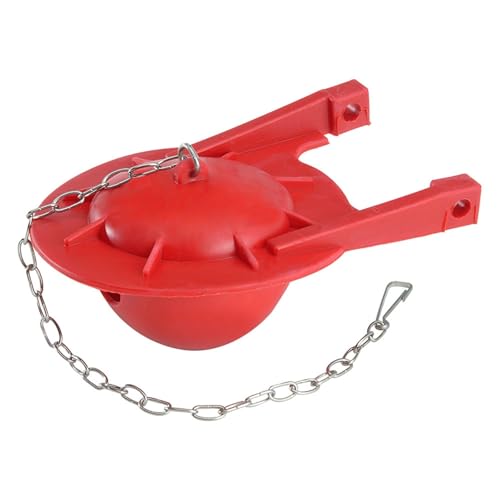
Set a 15-minute timer and check the bowl. If the cycling stops, your flapper was the culprit. If the toilet still runs intermittently, move to the next diagnostic step.
“Changed my flapper three times before I realized the flush valve seat itself was pitted. Sanded it smooth and the new flapper finally sealed. No more ghost flushing.” via r/Plumbing
Fill Valve Issues and Water Level Problems
If your flapper seals properly but the toilet still cycles, the fill valve is the next checkpoint. Fill valves control water inflow and shut off when the float reaches a preset height. A faulty diaphragm, clogged inlet screen, or incorrect float adjustment can all trigger short-cycling behavior.
Adjusting the Float and Fill Valve Height
Locate your fill valve, the vertical assembly on the left side of the tank. Modern valves use a cylindrical float cup that slides up and down a central shaft. Older models may have a ball float on a horizontal arm. Check that the float moves freely without catching on the tank wall, refill tube, or other components. If the float binds, it sends false water-level signals and the valve cycles erratically.
Adjust the water level by turning the adjustment screw or clip on top of the fill valve. The target water line should sit about one inch below the top of the overflow tube. If set too high, water spills into the overflow tube continuously, triggering constant refilling. If set too low, the flush may be weak and the fill valve may cycle to compensate.
Remove the fill valve cap (usually a quarter-turn counterclockwise) and inspect the rubber diaphragm and inlet screen. Mineral deposits, sand, or debris can prevent the diaphragm from sealing cleanly. Rinse both parts under running water. If the diaphragm is cracked, torn, or stiff, replace the entire fill valve assembly. The Fluidmaster 400A Universal Fill Valve is a reliable, code-compliant replacement that installs in under 10 minutes and works with fluctuating household water pressure.
Turn the water back on and observe the fill cycle. The valve should open when the float is low, fill the tank smoothly, and shut off cleanly when the float rises. If you hear stuttering, surging, or repeated on-off cycles, the diaphragm is likely failing under pressure spikes and the valve needs replacement.
Damaged or Misaligned Flush Valve
The flush valve is the large drain opening at the bottom center of your tank, and the flapper seals against it. If the valve itself is cracked, the mounting gasket has shifted, or the threads have loosened, water will leak regardless of flapper condition. This is less common but can happen after years of repeated flushing vibration or improper tank installation.
Inspect the flush valve seat for visible cracks or chips. Run your finger around the rim, it should be smooth and even. If you feel rough edges, pitting, or grooves, the valve is damaged and needs resurfacing or replacement. Some homeowners sand the seat lightly with 400-grit sandpaper to restore smoothness, but a cracked valve body must be replaced.
Check that the flush valve locknut under the tank is hand-tight. A loose valve can tilt, preventing the flapper from sealing evenly. Turn off the water, drain the tank, and gently tighten the locknut with pliers, don’t overtighten or you’ll crack the porcelain. Refill and test. If the cycling persists and the flapper and fill valve are both confirmed working, the flush valve is your problem.
Refill Tube Positioning and Connection Issues
The refill tube is a small flexible hose clipped to the overflow tube. It directs a small stream of water into the bowl during the fill cycle to restore the trap seal after flushing. If this tube falls into the overflow tube or disconnects entirely, water routing changes and can cause phantom cycling or continuous refilling.
Ensure the refill tube is clipped securely to the side of the overflow tube, not inserted down into it. Water should drip into the tube opening, not flow directly inside. If the tube is submerged, it can create a siphon effect or backpressure that confuses the fill valve’s shutoff mechanism. Reposition the tube so it hangs above the tube rim by about an inch.
Some older toilets have metal refill tubes that corrode or kink. Replace kinked or damaged tubes with a flexible vinyl refill tube available at any hardware store. Proper routing stops false signals and ensures clean fill cycles without surging.
Mineral Buildup and Hard Water Deposits
Hard water leaves calcium and lime scale on every surface it touches, flappers, fill valve diaphragms, flush valve seats, and even the float mechanism. Over time, this crusty buildup prevents seals from closing cleanly and causes mechanical parts to stick or bind.
If you live in a region with hard water (check your local water quality report), mineral accumulation accelerates wear. Visually inspect all rubber and plastic parts for white, chalky deposits. Soak the flapper and fill valve cap in white vinegar for 30 minutes to dissolve scale, then scrub gently with an old toothbrush. For severe buildup, replace the parts rather than trying to restore them, rubber that’s been mineralized loses elasticity and won’t seal reliably.
According to Family Handyman’s 2026 plumbing survey, homes with water hardness above 180 ppm experience twice the rate of flapper and fill valve failures compared to soft-water areas. Installing a whole-house water softener or descaling unit can extend the life of your toilet components and reduce cycling incidents.
Step-by-Step Diagnosis: Finding Your Specific Problem
Start with a systematic isolation test. Add 10 drops of food coloring to the tank water. Wait 15 minutes without flushing. If color appears in the bowl, you have a flapper or flush valve leak. If the bowl stays clear but the toilet still cycles, the problem is in the fill valve or float mechanism.
Next, observe the fill cycle closely. Lift the tank lid and watch what happens when the valve opens. Does the float move smoothly? Does the valve shut off cleanly or stutter? Does water overflow into the overflow tube? Each symptom points to a different fix:
- Slow bowl leak, color test positive: Replace flapper and clean flush valve seat
- Surging fill valve, stuttering shutoff: Replace fill valve diaphragm or entire assembly
- Float catches or binds: Realign float cup, trim interfering refill tube, or replace fill valve
- Water overflows into overflow tube: Lower float adjustment screw to reduce water level
Document what you observe. If multiple symptoms appear, prioritize the flapper first (cheapest and fastest fix), then the fill valve, then the flush valve. Most cycling issues resolve with a $20 Fluidmaster repair kit that includes both a flapper and a fill valve.

When to Call a Professional Plumber
If you’ve replaced the flapper, tested the fill valve, cleaned all components, and your toilet still cycles intermittently, you may have a hidden crack in the tank, a defective flush valve gasket under the tank, or abnormal household water pressure issues that require professional diagnostics.
Call a licensed plumber if you notice water pooling around the base of the toilet, hear banging or hammering noises when the fill valve shuts off (water hammer), or if your home has pressure above 80 psi, high pressure can damage internal toilet components and trigger cycling even with new parts. A plumber can install a pressure-reducing valve at your main water line to stabilize pressure and protect all fixtures.
According to This Old House, professional repairs for cycling toilets average $150–$250 in labor and parts in 2026, but most homeowners successfully fix the issue themselves with basic hand tools and a replacement kit. Trust your diagnostic process, and don’t hesitate to call for backup if the problem persists beyond standard component replacement.
Frequently Asked Questions About Running Toilets
Why does my toilet keep running on and off intermittently?
Intermittent running occurs when water slowly leaks from the tank—usually past a worn flapper seal—causing the water level to drop below the refill threshold, triggering the fill valve to top off the tank repeatedly. This creates an endless cycle of filling and silence every few minutes.
What is the most common cause of a toilet that cycles on and off?
A faulty flapper valve is responsible for roughly 70% of cycling toilet cases. The rubber flapper hardens, warps, or accumulates mineral crust over 3–5 years, losing its ability to seal against the flush valve seat and allowing water to trickle into the bowl.
How can I test if my toilet has a flapper leak?
Add 10 drops of food coloring to the tank and wait 15 minutes without flushing. If color appears in the bowl, you have a flapper or flush valve leak. If the bowl stays clear but cycling continues, the problem lies in the fill valve or float mechanism.
How much water does a running toilet waste per day?
According to the EPA WaterSense program, a leaking toilet can waste more than 200 gallons of water per day. Intermittent cycling is one of the most overlooked sources of household water loss, impacting both utility bills and environmental sustainability.
Can I fix a running toilet myself, and what tools do I need?
Yes, most cycling toilet problems can be fixed yourself with basic hand tools and a $15–25 replacement kit (like a universal flapper or fill valve assembly). The process typically takes about 20 minutes and doesn’t require professional plumbing experience.
What does it mean if my toilet fill valve is stuttering or surging?
Stuttering or surging during fill cycles indicates a failing fill valve diaphragm that reacts poorly to water pressure fluctuations. This common issue, especially in homes with fluctuating municipal water pressure, requires replacing the diaphragm or the entire fill valve assembly.