
You flush the toilet and immediately hear a loud, sustained hissing or whistling sound that echoes through your bathroom for several minutes, or worse, never stops at all.
The hissing noise you hear after flushing is almost always caused by a faulty fill valve that fails to shut off completely, allowing water to continuously flow into the tank. The worn rubber seal or misaligned float cup keeps the valve partially open, creating that telltale whistling sound during the refill cycle. Mineral buildup, water pressure irregularities, or a leaking flapper valve can also trigger continuous hissing by forcing the fill valve to run non-stop.
This guide walks you through each diagnostic step and hands-on fix to silence your toilet refill cycle and restore normal operation.

Key Takeaways
- A faulty fill valve with a worn seal or debris buildup is the most common cause of hissing noise after flushing, and can often be fixed by cleaning or replacing the valve in under 15 minutes.
- A leaking flapper valve forces the fill valve to run continuously, producing constant low hissing—test this by dropping food coloring in the tank and checking if colored water appears in the bowl within 15 minutes.
- High water pressure above 80 psi amplifies toilet hissing into loud whistles, so check your home’s pressure with an inexpensive gauge and install a whole-house regulator if needed.
- Hard water mineral deposits coat fill valve seals and prevent proper shutoff; soaking the diaphragm in white vinegar for 30 minutes and regular maintenance every 12–18 months extends component lifespan.
- Follow a systematic troubleshooting guide—lift the float, check for flapper leaks, inspect water pressure, and clean the fill valve—to isolate the problem before replacing worn parts.
- Replace fill valves every 5–7 years and flappers every 3–5 years as preventive maintenance to avoid disruptive hissing and ensure years of silent, efficient toilet operation.
Why Does My Toilet Hiss After Flushing?
Your toilet tank refills through a fill valve (also called a ballcock) that opens when water level drops after a flush. As the tank fills, a float rises until it signals the valve to close. When that valve doesn’t close cleanly, due to worn seals, debris, or mechanical misalignment, water continues to flow through a narrow gap, creating turbulence and producing a loud hissing, whistling, or squealing noise.
The sound intensity depends on how wide the gap remains and the incoming water pressure. High pressure amplifies the whistle. If the hissing eventually stops, your float is reaching shut-off but the valve seal is worn. If the hiss never stops, either your flapper is leaking (forcing the fill valve to run continuously) or the float mechanism has failed entirely.
“My toilet hisses for about 3 minutes after every flush, then finally stops. I can see the fill valve shaking the whole time.” via r/Plumbing
Understanding this mechanical sequence helps you pinpoint exactly which component is responsible.
Faulty Fill Valve: The Most Common Culprit
How to Diagnose a Fill Valve Problem
Remove your tank lid and flush. Watch the fill valve (the tall assembly on the left side of most tanks). Listen for the hiss and note whether it starts immediately. Check if the float cup or ball rises smoothly without sticking. Gently lift the float by hand while the valve is hissing, if the noise stops instantly, your float isn’t rising high enough or the valve’s internal seal is worn.
Inspect the valve body for calcium scale, especially around the cap and seal area. White crust or gritty deposits prevent the rubber diaphragm from seating properly. If lifting the float stops the hiss temporarily but it resumes when you release it, the float arm may be bent or the adjustment clip is set too low.
How to Fix or Replace a Fill Valve
First, try cleaning the valve. Turn off the water supply valve under the toilet, flush to empty the tank, then twist off the fill valve cap (most Fluidmaster models twist counterclockwise). Remove the rubber seal or diaphragm, rinse it under warm water, and scrub away mineral scale with an old toothbrush. Reassemble, turn the water back on, and test.
If cleaning doesn’t resolve the hiss, replace the entire fill valve. A Fluidmaster 400AH PerforMAX Universal Toilet Fill Valve installs in about 10 minutes with an adjustable wrench and costs around fifteen dollars. Shut off water, disconnect the supply line, unscrew the locknut under the tank, lift out the old valve, drop in the new one, hand-tighten the locknut, reconnect the supply line, and adjust the float to set your desired water level.
Leaking Flapper Valve Causing Continuous Hissing
A worn or warped flapper at the bottom of your tank allows water to seep continuously into the bowl. Because the tank level never stabilizes, the fill valve runs non-stop to replace the lost water, producing a constant low hiss. This is especially common when the toilet hasn’t been flushed in hours yet you still hear faint hissing.
Testing and Replacing Your Flapper Valve
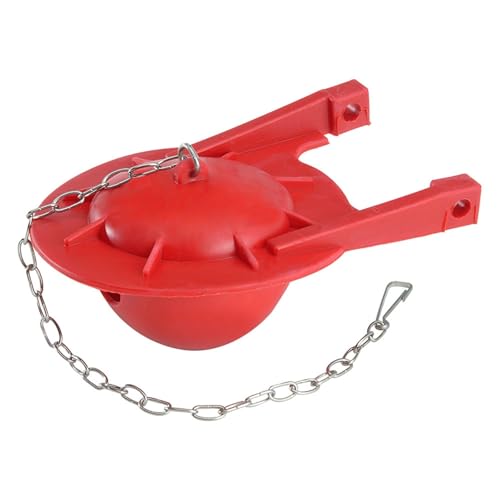
Drop food coloring or a dye tablet into the tank without flushing. Wait 15 minutes. If colored water appears in the bowl, your flapper is leaking. Turn off the water, flush to drain the tank, then unhook the old flapper’s ears from the flush valve pegs and disconnect the chain. Snap a new universal flapper onto the pegs, reattach the chain with minimal slack, and turn the water back on.
“Replaced my flapper after 6 years, hissing stopped immediately. Didn’t realize how much water I was wasting.” via r/HomeImprovement
Choose a flapper designed for your flush valve size (usually 2-inch or 3-inch). The Korky 2021BP Universal Flapper fits most toilets and includes an adjustable dial to control flush volume.
Water Pressure Issues and Hissing Sounds
Excessively high incoming water pressure (above 80 psi) intensifies turbulence inside the fill valve, amplifying the hiss to a loud whistle or squeal. Conversely, partially closed supply valves or kinked flexible lines restrict flow, causing the valve to vibrate and hum during refill.
Check your home’s water pressure with an inexpensive pressure gauge attached to an outdoor spigot. If it exceeds 80 psi, consider installing a whole-house pressure regulator to protect all fixtures. Inspect the toilet’s dedicated supply valve under the tank, turn it fully counterclockwise to ensure it’s completely open. Replace old, corroded shut-off valves that no longer open fully.
If you hear water hammer (a sharp bang when the valve closes), that’s a different issue caused by shock waves in your plumbing. Installing a water hammer arrestor near the toilet supply line absorbs those pressure spikes, but it won’t fix fill valve hissing.
Damaged or Loose Refill Tube Connection
The small flexible refill tube clips onto the top of the overflow pipe and directs a trickle of water into the bowl during tank refill to maintain the bowl’s trap seal. If this tube is dislodged, kinked, or split, it can spray against the tank walls or create turbulence that mimics a hissing sound, though it’s usually quieter and higher-pitched than fill valve hiss.
Inspect the tube while the tank refills. Make sure it’s firmly clipped to the overflow pipe and positioned so water flows straight down into the pipe, not spraying sideways. If the tube is cracked or brittle, snip off the damaged section or replace it with a new universal refill tube kit.
Ensure the water level in the tank sits about one inch below the top of the overflow pipe. If it’s set too high, excess water continuously spills into the overflow, and the fill valve runs indefinitely with a soft hiss. Adjust the float downward by pinching the adjustment clip or turning the adjustment screw on top of the fill valve.
Calcium and Mineral Buildup in Valve Components
Hard water leaves calcium carbonate, magnesium, and iron deposits on every surface inside your tank. Over months and years, these mineral scales coat the fill valve seal, creating an irregular surface that prevents a watertight shut-off. Even microscopic grit trapped under the diaphragm will hold the valve slightly open.
Disassemble the fill valve cap and seal as described earlier. Soak the rubber diaphragm and plastic cap in white vinegar for 30 minutes to dissolve mineral scale. Scrub gently with a soft brush, rinse thoroughly, and reassemble. For stubborn buildup, use a commercial CLR calcium remover, following label instructions.
If your municipal water is especially hard (above 180 ppm), consider a whole-house water softener or at minimum install a sediment filter on your main supply line to reduce mineral accumulation in all fixtures. Regular maintenance every 12–18 months extends fill valve lifespan and keeps refill cycles quiet.
Step-by-Step Troubleshooting Guide for a Hissing Toilet
Follow this systematic workflow to isolate and fix your toilet hissing issue:
- Listen and observe: Remove the tank lid, flush, and watch the fill valve. Note when the hiss starts and whether it eventually stops.
- Lift the float: While hissing, gently push the float upward. If the noise stops, adjust the float height or clean/replace the fill valve seal.
- Check for flapper leaks: Drop food coloring in the tank and wait 15 minutes. Color in the bowl means replace the flapper.
- Inspect water pressure: Verify the supply valve is fully open and check household water pressure with a gauge.
- Clean the fill valve: Disassemble the cap, rinse the seal, remove mineral deposits, and reassemble.
- Replace worn parts: If cleaning doesn’t work, install a new fill valve or flapper as needed.
- Adjust water level: Set the tank fill line one inch below the overflow pipe.
Most homeowners resolve hissing within 20 minutes using this checklist. If problems persist after replacing both the fill valve and flapper, consult a licensed plumber to check for hidden supply line issues or pressure regulator malfunctions.
Preventing Future Hissing and Toilet Tank Problems
Proactive maintenance keeps your toilet quiet and prevents emergency repairs. Inspect tank components every six months: look for cracks in the flapper, check that the float moves freely, and confirm the refill tube is secure. Clean mineral deposits annually, especially if you have hard water.
Replace fill valves every 5–7 years and flappers every 3–5 years, even if they seem fine. Rubber degrades over time, losing flexibility and sealing ability. Mark replacement dates on your home maintenance calendar.
Install a whole-house water softener if your water hardness exceeds 180 ppm to reduce scale buildup across all fixtures. For a simpler desk-side reference, keep a compact plumbing multitool kit in your bathroom cabinet for quick adjustments.

By staying ahead of wear and buildup, you’ll enjoy years of silent, efficient toilet operation without the disruptive hissing that follows every flush.
Frequently Asked Questions
What causes a toilet to hiss after flushing?
A hissing noise after flushing is almost always caused by a faulty fill valve that fails to shut off completely, allowing water to continuously flow into the tank. A worn rubber seal, mineral buildup, or a leaking flapper valve can also trigger the hissing by forcing the fill valve to run non-stop.
How can I fix a toilet hissing noise quickly?
Start by lifting the float while the hissing occurs—if it stops, adjust the float height or clean mineral deposits from the fill valve. If that doesn’t work, replace the fill valve or flapper. Most homeowners resolve hissing within 20 minutes using a systematic troubleshooting approach.
How do I know if my toilet’s flapper valve is leaking?
Drop food coloring or a dye tablet into the tank and wait 15 minutes without flushing. If colored water appears in the bowl, your flapper is leaking and needs replacement. A leaking flapper causes the fill valve to run continuously, producing constant hissing sounds.
Can high water pressure cause a toilet to hiss?
Yes, water pressure above 80 psi intensifies turbulence inside the fill valve, amplifying hissing to a loud whistle or squeal. Check your pressure with an inexpensive gauge on an outdoor spigot and install a whole-house pressure regulator if pressure exceeds safe levels.
How often should I replace my toilet fill valve and flapper?
Replace fill valves every 5–7 years and flappers every 3–5 years, even if they appear to be working properly. Rubber components degrade over time, losing flexibility and sealing ability, which causes hissing and wasted water.
Does hard water contribute to toilet hissing problems?
Yes, hard water leaves calcium and mineral deposits on fill valve seals, preventing watertight shut-off and causing hissing. Soak the diaphragm in white vinegar for 30 minutes to dissolve buildup, or install a whole-house water softener if your water exceeds 180 ppm hardness.
Read More:
- Dual Flush Toilet Not Working (Causes and Quick Fixes Explained)
- Toilet Keeps Running After Flush (Here’s the Reason and How to Fix It)
- Handle on Toilet Not Working (Common Causes and Master DIY Guide)
- RV Toilet Not Working (Causes, Diagnosis, and Quick Fixes)
- Toilet Makes Hissing Sound (Here’s the Fixes to Stop the Noise)