
You switched from a gas furnace to a heat pump expecting the same blast of warm air, and now you’re sitting under a blanket wondering if the installer made a mistake.
Your heat pump feels “cold” because it delivers air at 90–100°F, which is significantly lower than the 130–140°F output of a gas furnace. Your body perceives this lower-temperature air as cool, even though the system is heating your home correctly. The sensation is physiological, not mechanical. Your skin temperature hovers around 91°F, so air that’s only slightly above that threshold doesn’t trigger the same “warm blast” feeling you got from combustion heating.
Understanding why this happens, and what you can do about it, is the difference between ripping out a perfectly good system and actually enjoying one of the most efficient heating technologies available today.
How Heat Pumps Deliver Warmth Differently Than Furnaces
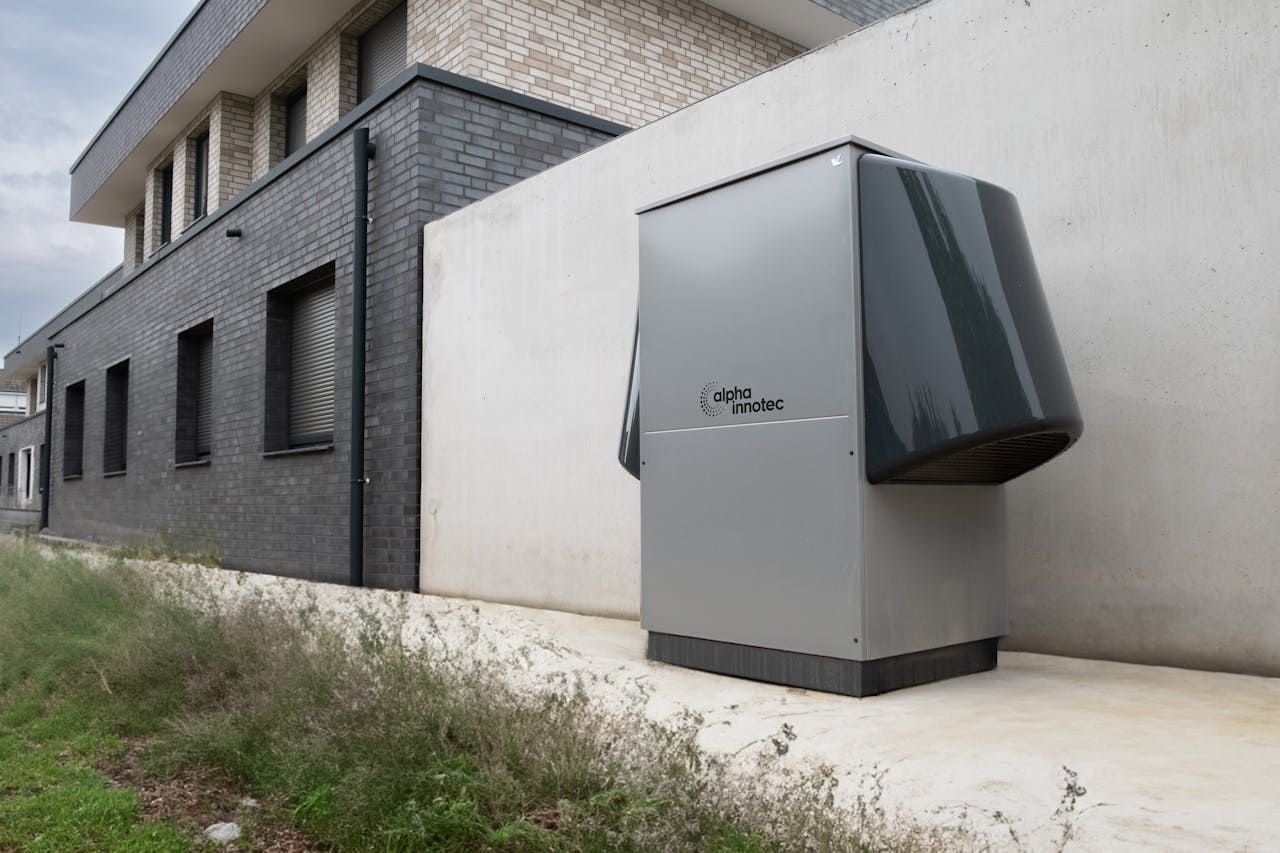
A gas furnace ignites fuel, creates a flame, and pushes superheated air through your ducts. It’s brute force. A heat pump does something fundamentally different: it extracts heat energy from outdoor air and moves it inside. Even at 30°F outside, there’s usable thermal energy in the air, and the refrigerant cycle captures it.
This process produces a steady, moderate stream of warm air rather than the intense, short bursts you’re used to from a furnace. Think of it like this: a furnace is a sprint, it fires hard, heats fast, and shuts off. A heat pump is a marathon runner, it delivers lower-temperature air over a longer period to maintain your set temperature.
The result? Your home reaches the same thermostat setting, but the air coming from the vents never feels “hot” to the touch. One user on Reddit’s r/hvacadvice put it perfectly:
“I held my hand over the vent and it felt lukewarm. I thought it was broken. Turns out it was working exactly as designed.”
Here’s a quick comparison to put things in perspective:
| Feature | Gas Furnace | Heat Pump |
|---|---|---|
| Supply Air Temperature | 130–140°F | 90–100°F |
| Heating Cycle Length | Short bursts (10–15 min) | Long, continuous runs |
| Energy Source | Natural gas / propane | Electricity (refrigerant cycle) |
| Efficiency Rating | 80–98% AFUE | 200–400% COP (equivalent) |
| Perceived Comfort | Hot blasts | Steady, even warmth |
The efficiency numbers tell the real story. A heat pump can deliver 3–4 units of heat energy for every 1 unit of electricity consumed. That’s not a gimmick, it’s thermodynamics. But the tradeoff is that the output air temperature sits much closer to your skin temperature, which your nervous system reads as “not warm.”
Common Reasons Your Heat Pump Blows Cool Air
Defrost Mode and What It Means for Indoor Comfort
If your heat pump periodically starts blowing cold air for a few minutes, it’s almost certainly running a defrost cycle. This is normal and expected behavior, especially in temperatures below 40°F.
During heating mode, the outdoor coil gets extremely cold, cold enough to accumulate frost and ice. Your system detects this buildup and temporarily reverses the refrigerant flow to melt the frost off the outdoor unit. During this reversal, the indoor coil briefly acts as a cooling coil, which means cool air hits your living space for 5–10 minutes.
Most modern systems disable the indoor fan or activate auxiliary heat strips during defrost to minimize this discomfort. If yours doesn’t, you may need a technician to adjust the defrost board settings. Systems from brands like Mitsubishi and Daikin handle this more gracefully than older single-stage units.
The key thing to understand: defrost cycles should last no more than 10 minutes and should happen no more than a couple times per hour. If your system is cycling into defrost constantly, that’s a symptom of a different problem, likely low refrigerant or a failing reversing valve.
Using a smart thermostat like ecobee SmartThermostat Premium can help you monitor how often your system cycles and track runtime patterns. This data becomes invaluable if you ever need to show a technician exactly what’s happening.
Low Refrigerant, Dirty Filters, and Other Mechanical Culprits
Sometimes the problem isn’t perception, your heat pump genuinely isn’t performing correctly. These are the most common mechanical reasons your system blows air that’s actually too cool:
- Low refrigerant charge: A leak in the refrigerant lines reduces the system’s ability to absorb and transfer heat. You’ll notice reduced output, longer run times, and possible ice on the outdoor unit even outside of defrost cycles.
- Dirty air filters: A clogged filter restricts airflow over the indoor coil, reducing heat transfer efficiency dramatically. Check your filter monthly during heavy use.
- Stuck reversing valve: This valve switches the system between heating and cooling modes. If it fails or gets stuck in cooling mode, you’ll get cold air all winter.
- Malfunctioning defrost control board: A bad board can keep the system in defrost too long or trigger unnecessary defrost cycles.
- Dirty outdoor coil: Leaves, debris, and grime reduce the coil’s ability to absorb heat from outdoor air.
A refrigerant leak is the most serious of these issues. According to the U.S. Department of Energy, a system that’s even 10% low on refrigerant can lose 20% of its heating capacity. That’s not a minor drop, you’ll feel it.
If you haven’t changed your filter recently, start there. A quality replacement like the Filtrete 20x25x1 MPR 1500 Filter is cheap insurance against airflow problems. Replace it every 60–90 days, or monthly if you have pets.
“Gas furnaces produce air in the 130-140°F range, so 85-92°F feels cold to new heat pump owners. Body temperature is around 98.6°F. Since heat pumps produce air that’s below that, it can feel cold to you… Air from the register will feel cool because it’s lower than your body temperature.” Source: Reddit (r/massachusetts)
When Outdoor Temperatures Drop Too Low
Every heat pump has a performance curve, and that curve drops as outdoor temperatures fall. Standard air-source heat pumps lose significant heating capacity below 25–30°F. Cold climate models (often labeled “hyper-heat” or rated for low-ambient operation) can maintain output down to -13°F or even -22°F, but they still experience reduced efficiency at extreme cold.
This is where supplemental heat becomes critical. Most heat pump installations include auxiliary electric resistance heat strips (often called “emergency heat” on your thermostat). These strips activate automatically when the heat pump can’t keep up. They work, but they consume electricity at a 1:1 ratio, meaning you lose that 300–400% efficiency advantage.
If you live in USDA Climate Zones 5–7 and your system doesn’t have a cold-climate-rated outdoor unit, you may need to run auxiliary heat frequently during January and February. That’s expensive, and it’s why your energy bills might spike mid-winter.
This video from Technology Connections provides an excellent, physics-based explanation of how heat pumps perform in cold climates:
Video Credit: Empower Home Comfort / YouTube
The video does a great job illustrating why a properly sized cold-climate heat pump still outperforms resistance heating even at sub-zero temperatures. If you’re considering an upgrade, this is required viewing.
Your local utility may also offer rebates for cold-climate heat pump installations. The ENERGY STAR Cold Climate Heat Pump page lists qualifying models and specifications if you’re evaluating whether your current system meets cold-climate standards.
Practical Ways to Make Your Heat Pump Feel Warmer
You don’t need to replace your heat pump to solve the “feels cold” problem. Most fixes involve adjusting your expectations, your thermostat settings, or your home’s thermal envelope.
First, stop treating your thermostat like you did with a furnace. Don’t set it back 5–10 degrees at night and expect the heat pump to recover quickly in the morning. Heat pumps work best at a consistent set point. A 2-degree setback is the maximum recommended by most manufacturers. Anything more triggers auxiliary heat during recovery, which wastes energy and money.
Second, check your ductwork. If your ducts run through an uninsulated attic or crawl space, you’re losing heat before it ever reaches your living space. That 95°F supply air can drop to 80°F or lower by the time it exits a vent at the end of a long, uninsulated duct run. Sealing and insulating ducts is one of the highest-ROI improvements you can make.
Third, consider your home’s insulation and air sealing. A heat pump can only maintain comfort if your building envelope retains the heat it delivers. Homes with poor insulation and significant air leakage will always feel drafty with a heat pump because the system can’t compensate with higher output temperatures the way a furnace can.
(CFor tracking your system’s performance and energy usage over time, an app like Sense Energy Monitor can show you exactly how much electricity your heat pump and auxiliary heat consume. It helps you identify patterns, like auxiliary heat running too often, so you can make informed decisions about upgrades or adjustments.
Finally, ceiling fan direction matters. Set your ceiling fans to clockwise on low speed during winter. This pushes warm air that collects near the ceiling back down into the living space without creating a draft. It’s a simple fix that makes a measurable difference in perceived comfort.
“One thing to add—in heat mode, make sure the fan speed is set to ‘AUTO’. The unit will lower the fan speed when it doesn’t need to push as much heat to maintain temperature. If it’s on ‘ON’, the fan runs continuously, blowing cool [ambient] air between heating cycles.” Source: Reddit (r/hvacadvice)
Signs It’s Time to Call a Professional
Some heat pump issues go beyond filter changes and thermostat adjustments. You should call a licensed HVAC technician if you notice any of the following:
- Supply air temperature consistently measures below 85°F (use a simple probe thermometer at the vent)
- Ice builds up on the outdoor unit and doesn’t clear after a defrost cycle
- The system runs constantly without reaching your set temperature
- You hear unusual sounds, grinding, hissing, or clicking, from the outdoor unit
- Your electric bill spikes dramatically without a corresponding change in weather or usage
A qualified technician will check refrigerant levels, inspect the reversing valve, verify defrost operation, and measure airflow across both coils. If your system is more than 12–15 years old and experiencing multiple issues, replacement with a cold-climate-rated unit may be more cost-effective than repeated repairs.
When selecting a technician, look for NATE certification (North American Technician Excellence) and specific experience with heat pump systems. According to ACCA (Air Conditioning Contractors of America), proper system sizing and installation quality account for the majority of performance complaints. A Manual J load calculation should have been performed before your system was installed, if it wasn’t, that alone could explain your comfort issues.
Don’t ignore persistent cold air. A heat pump that’s low on refrigerant will eventually damage its compressor, turning a $300 repair into a $3,000+ replacement. Early diagnosis saves money.
Frequently Asked Questions
Why does my heat pump feel like it’s blowing cold air?
Your heat pump feels cold because it delivers air at 90–100°F, much lower than the 130–140°F output of a gas furnace. Since your skin temperature is around 91°F, the slightly warmer supply air doesn’t trigger a noticeable “hot” sensation—even though the system is heating your home correctly.
Is it normal for a heat pump to blow cool air during a defrost cycle?
Yes, periodic cool air during defrost is completely normal. When frost builds on the outdoor coil, the system temporarily reverses refrigerant flow to melt it, causing the indoor coil to blow cool air for 5–10 minutes. Most modern heat pumps minimize this by activating auxiliary heat strips during defrost.
How can I make my heat pump feel warmer without replacing it?
Keep your thermostat at a consistent set point instead of large setbacks, seal and insulate ductwork, improve your home’s insulation and air sealing, and run ceiling fans clockwise on low speed in winter. These steps reduce heat loss and improve perceived comfort without any equipment changes.
At what temperature do heat pumps lose efficiency?
Standard air-source heat pumps lose significant heating capacity below 25–30°F. Cold-climate models can maintain output down to −13°F or lower but still see reduced efficiency in extreme cold. Supplemental electric resistance heat often kicks in during the coldest months, increasing energy costs.
What are common mechanical reasons a heat pump blows air that’s too cool?
Low refrigerant charge, dirty air filters, a stuck reversing valve, a malfunctioning defrost control board, and a dirty outdoor coil are the most common culprits. A system even 10% low on refrigerant can lose up to 20% of its heating capacity, so professional diagnosis is important.
Should I use a programmable thermostat setback with a heat pump?
Large temperature setbacks are not recommended for heat pumps. Setting the thermostat back more than 2°F forces the system to use inefficient auxiliary resistance heat during recovery. For best efficiency and comfort, maintain a steady set point and avoid the deep nighttime setbacks common with gas furnaces.
Sources:
- Operating and Maintaining Your Heat Pump
- Heat Pump Blowing Cold Air? Find Out Why!
- Reddit Thread: Why do heat pumps feel like they’re blowing cold air?
- Reddit Thread: Optimizing Heat Pump Settings
- Heating and Cooling with a Heat Pump
Read More: