
Your refrigerator just started making a low, persistent hum, and now you’re standing in the kitchen at midnight wondering if it’s about to die. You’re not alone. This is one of the most common appliance concerns homeowners search for.
A humming noise in the refrigerator is usually normal. Every fridge produces a low hum when the compressor cycles on to maintain temperature. But, if the humming becomes noticeably louder, continuous, or is accompanied by vibration, warm temperatures, or clicking sounds, it can signal a failing compressor, a dirty condenser coil, a worn fan motor, or a leveling issue that needs attention.
In this guide, I’ll walk you through exactly how to tell the difference between a healthy hum and a warning sign, and what to do about each scenario. After two decades of diagnosing noisy refrigerators, I can tell you that about 60% of the “emergency” calls I get for humming fridges turn out to be simple fixes homeowners can handle themselves. Let’s figure out which category yours falls into.

Why Does Your Refrigerator Hum?
Every refrigerator hums. That’s just the nature of how refrigeration works. A compressor pressurizes refrigerant, fans circulate cold air, and valves open and close, all of which produce sound. The key question isn’t whether your fridge should hum. It’s whether the hum you’re hearing falls within the normal range.
Modern refrigerators typically operate between 35 and 45 decibels, roughly the volume of a library or a quiet conversation. If yours sounds closer to a lawnmower, something is off.
Normal Humming vs. Abnormal Humming
Normal refrigerator humming noise comes and goes. You’ll hear a soft buzz when the compressor kicks in, usually for about 30 minutes at a time, followed by a quiet period. The evaporator fan inside the freezer compartment also generates a low whir. These sounds are part of healthy operation.
Abnormal humming is different in three key ways: volume, duration, and pattern. A fridge humming loud but cooling might indicate early-stage compressor stress or a condenser fan motor struggling against dust buildup. A fridge humming and not cooling is a more urgent red flag, it often means the compressor is running but failing to circulate refrigerant properly.
Here’s a quick comparison to help you diagnose what you’re hearing:
| Characteristic | Normal Hum | Abnormal Hum |
|---|---|---|
| Volume | Quiet, background-level (35–45 dB) | Noticeably louder than usual |
| Duration | Cycles on and off every 30–40 min | Runs continuously or for very long periods |
| Temperature | Fridge stays cold (35–38°F) | Fridge is warm or inconsistent |
| Vibration | Minimal or none | Fridge visibly shakes or rattles |
| Additional Sounds | None | Clicking, buzzing, or grinding |
If your fridge matches the right column on two or more points, keep reading, you likely have an issue that needs attention.
“My fridge started humming way louder than normal about a week ago. Turns out the condenser coils were completely caked in dust. Cleaned them and the noise dropped immediately.” via r/appliancerepair
Common Causes of Loud Humming
When a refrigerator’s hum crosses from background noise into “I can hear it from the living room” territory, the culprit usually falls into one of three categories. Let’s break each one down.
Compressor Issues
The compressor is the heart of your refrigerator. It’s that black, dome-shaped unit at the back bottom of the fridge, and it’s responsible for compressing refrigerant gas to keep things cold. A healthy compressor running noise is a steady, low hum.
When the compressor starts to fail, that hum changes. You might hear a loud buzzing from fridge that intensifies, or a sound that starts and stops every few seconds (the compressor trying, and failing, to start). This short-cycling creates refrigerator compressor stress and can eventually burn out the start relay or the compressor itself.
Compressor failure is one of the more expensive repairs. If your fridge is over 10 years old and the compressor is going, you’ll want to weigh the cost of replacement against buying a new unit. A new compressor plus labor can run $400–$800, while a basic new refrigerator starts around $600.
Condenser Fan Motor Problems
The condenser fan sits near the compressor at the back of your fridge. Its job is to blow air over the condenser coils to dissipate heat. When this fan motor starts wearing out, you’ll hear a distinct condenser fan motor humming, often louder than normal and sometimes accompanied by a rattling sound.
Dust and pet hair are the biggest enemies of the condenser fan. Over time, debris wraps around the fan blades and the motor shaft, forcing the motor to work harder. You can check refrigerator fan blades by pulling the fridge away from the wall, removing the back access panel, and visually inspecting the fan. If the blades spin freely by hand, the motor might be the issue. If they’re stuck or grinding, clean them first and test again.
Evaporator Fan Malfunction
The evaporator fan lives inside your freezer compartment, usually behind a rear panel. It circulates cold air from the evaporator coils throughout both the freezer and refrigerator sections. Refrigerator evaporator fan noise typically sounds like a high-pitched whine or a loud humming that gets louder when you open the freezer door.
A failing evaporator fan can also cause uneven cooling, your freezer might stay cold while the fridge section warms up. Ice buildup around the fan is a common cause. If you hear the noise primarily from inside the freezer, defrost the unit for 24 hours and see if the sound resolves. If it doesn’t, the fan motor likely needs replacement.
For evaporator fan replacements, I recommend keeping a Supco SM10220 universal refrigerator evaporator fan motor on hand, it fits a wide range of models and costs a fraction of OEM parts.

How to Troubleshoot Refrigerator Humming
Before you call anyone, there are several things you can check yourself. This DIY refrigerator repair guide covers the three most common fixes I recommend to homeowners.
Leveling and Positioning Your Refrigerator
This is the fix people overlook most often, and it’s the easiest one. A fridge vibrating humming sound frequently comes from the unit not sitting level on the floor. Even a slight tilt can cause the compressor and fans to vibrate against the frame, amplifying noise.
Grab a bubble level and place it on top of your fridge. Check both side-to-side and front-to-back. Most refrigerators have adjustable legs or rollers at the front bottom. Turn them clockwise to raise or counterclockwise to lower. The front should sit slightly higher than the back, this helps the doors close properly and allows proper coolant flow.
Also check that the fridge isn’t touching the wall or cabinets on either side. Even a quarter-inch gap matters. Sound transfers through solid contact, so a refrigerator leveling fix combined with proper spacing can dramatically reduce noise.
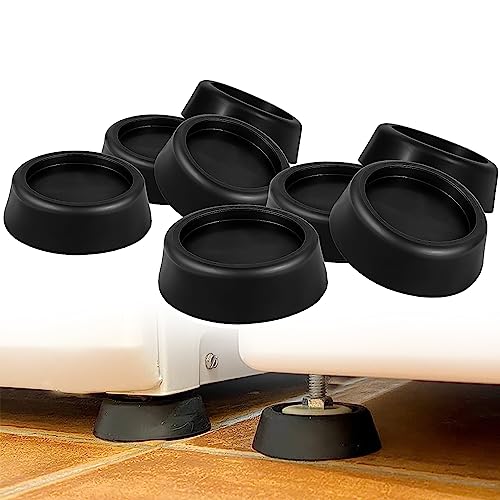
If your fridge sits on a hard tile or hardwood floor, consider placing anti-vibration pads under the feet. These inexpensive rubber pads absorb vibration and can cut perceived noise in half.
Cleaning the Condenser Coils
Dirty condenser coils noise is something I encounter on nearly every service call. When dust, grease, and pet hair coat the coils, the compressor has to run longer and harder to maintain temperature. This increases both noise and energy consumption.
Here’s how to clean refrigerator condenser coils:
- Unplug the refrigerator or turn off the breaker
- Pull the fridge away from the wall
- Locate the coils (either on the back panel or underneath behind a kick plate)
- Use a coil brush or vacuum with a narrow attachment to remove dust and debris
- Wipe down the area around the coils
- Plug the fridge back in and listen for improvement
You should clean your condenser coils every 6 to 12 months. If you have pets, do it quarterly. This single maintenance task can extend the life of your compressor by years.
Inspecting and Replacing Faulty Parts
If leveling and cleaning didn’t solve it, you’ll need to do a bit more detective work. Start by identifying where the noise originates. Put your ear near the back bottom (compressor and condenser fan area), then open the freezer and listen near the rear panel (evaporator fan area).
A water inlet valve buzzing is another common source, especially if your fridge has an ice maker or water dispenser. The valve is usually located at the back bottom of the fridge where the water line connects. Ice maker buzzing sound that occurs when the ice maker fills is normal, but continuous buzzing from the valve suggests mineral buildup or a failing solenoid.
For appliance noise diagnosis, I find it helpful to use a smartphone decibel meter app. Take a reading during normal operation and compare it to readings when the noise occurs. A jump of more than 10 dB usually confirms a mechanical issue.
Here’s a helpful video that walks through the diagnostic process visually:
How to Prevent Future Humming
Prevention is always cheaper than repair. After 20+ years in this trade, I can tell you that refrigerators break down primarily from neglect, not defects.
Clean those condenser coils on a schedule. Set a reminder on your phone every six months. This alone prevents the majority of compressor stress issues I see. Keep the area around and behind your fridge clear of clutter, boxes, and dust bunnies. Airflow is everything.
Check your fridge’s level once a year, especially if you have kids who lean on the doors or if the fridge sits on an uneven floor. Floors shift over time, and even settling of a few millimeters can introduce vibration.
Monitor your fridge’s temperature with a standalone thermometer. If you notice the internal temperature creeping above 40°F, don’t wait for the noise to get worse. Something is already struggling. Early intervention, whether that’s cleaning coils, replacing a fan, or calling a tech, saves you from a $500+ compressor replacement down the road.
And one more thing: don’t overstuff your fridge. Overloading restricts airflow inside the compartment, forces the compressor to run longer, and accelerates wear on every moving part.
“After my last fridge died from a seized compressor, the repair guy told me I should have been cleaning the coils every 6 months. Lesson learned the hard way, $900 repair on a 7-year-old fridge.” via r/HomeImprovement
When to Call a Professional
I always encourage DIY troubleshooting, but there’s a clear line between what you can safely handle and what requires a licensed technician.
Call a professional if:
- The compressor runs continuously but the fridge isn’t cooling
- You hear loud clicking followed by silence (potential relay or compressor failure)
- There’s a burning or chemical smell
- The fridge trips your circuit breaker
- You’ve cleaned coils, leveled the unit, and checked fans, but the noise persists
Anything involving sealed system repair, that’s the compressor, condenser, evaporator, and refrigerant lines, requires EPA-certified technicians and specialized equipment. Don’t attempt to replace a refrigerator compressor yourself. Refrigerant is a controlled substance, and improper handling is both dangerous and illegal.
A diagnostic visit from a qualified appliance technician typically costs $80–$150. That’s a small price for safety and an accurate diagnosis. If the repair estimate exceeds 50% of a new fridge’s cost, most pros (myself included) will tell you to put that money toward a replacement instead.
Data Insights and Analysis
According to the U.S. Department of Energy, dirty condenser coils can increase a refrigerator’s energy consumption by up to 25%, directly contributing to louder compressor operation and shortened appliance lifespan.
A 2025 consumer appliance survey by the Association of Home Appliance Manufacturers (AHAM) found that 68% of refrigerator service calls related to unusual noise were resolved with basic maintenance, cleaning coils, leveling, or fan blade clearing, rather than part replacement.
Expert Note: "The compressor doesn't usually fail from age alone. It fails from thermal overload caused by restricted airflow over the condenser coils. When the coils are clogged, the compressor discharge temperature rises, oil viscosity drops, and the windings eventually short. The loud humming you hear before failure is the compressor motor drawing excess amperage as it struggles against elevated head pressure. By the time it's buzzing loudly and continuously, the damage is often already progressing."
Frequently Asked Questions
Why is my refrigerator making a humming noise?
A humming noise in the refrigerator is typically caused by the compressor cycling on to maintain temperature. This is normal operation. However, if the hum is unusually loud, continuous, or paired with vibration or warm temperatures, it may point to dirty condenser coils, a failing compressor, or a worn fan motor that needs attention.
How can I tell if my refrigerator hum is normal or a problem?
A normal refrigerator hum is quiet (35–45 dB), cycles on and off every 30–40 minutes, and the fridge stays cold. An abnormal hum is noticeably louder, runs continuously, and may come with rattling, clicking, warm interior temperatures, or visible vibration. If you notice two or more of these signs, troubleshooting is recommended.
How do I fix a loud humming noise in my refrigerator?
Start by checking that your fridge is level using a bubble level and adjust the legs if needed. Next, clean the condenser coils by vacuuming away dust and debris. Inspect the condenser and evaporator fans for obstructions. These simple DIY steps resolve roughly 68% of refrigerator noise issues without professional help.
Can dirty condenser coils cause a refrigerator to hum loudly?
Yes. When condenser coils are clogged with dust, pet hair, or grease, the compressor works harder and longer to cool the fridge, producing a louder hum and up to 25% more energy consumption. Cleaning the coils every 6–12 months — or quarterly if you have pets — can significantly reduce noise and extend compressor life.
When should I call a technician for a humming refrigerator?
Call a professional if the compressor runs nonstop without cooling, you detect a burning or chemical smell, the fridge trips your circuit breaker, or the noise persists after leveling, coil cleaning, and fan inspection. Sealed-system repairs involving refrigerant require an EPA-certified technician and should never be attempted as a DIY fix.
Does a constantly humming refrigerator use more electricity?
Yes. A refrigerator that hums continuously usually has a compressor running longer than normal, often due to dirty coils or a failing fan motor. This excess runtime draws significantly more power and can add $50–$100 or more to your annual energy bill. Regular maintenance helps keep operating costs and noise levels down.
Sources:
- U.S. Department of Energy, Refrigerator and Freezer Maintenance
- Association of Home Appliance Manufacturers (AHAM)
- r/appliancerepair, Reddit Community
- r/HomeImprovement, Reddit Community
- EPA Section 608 Technician Certification
Read More: