
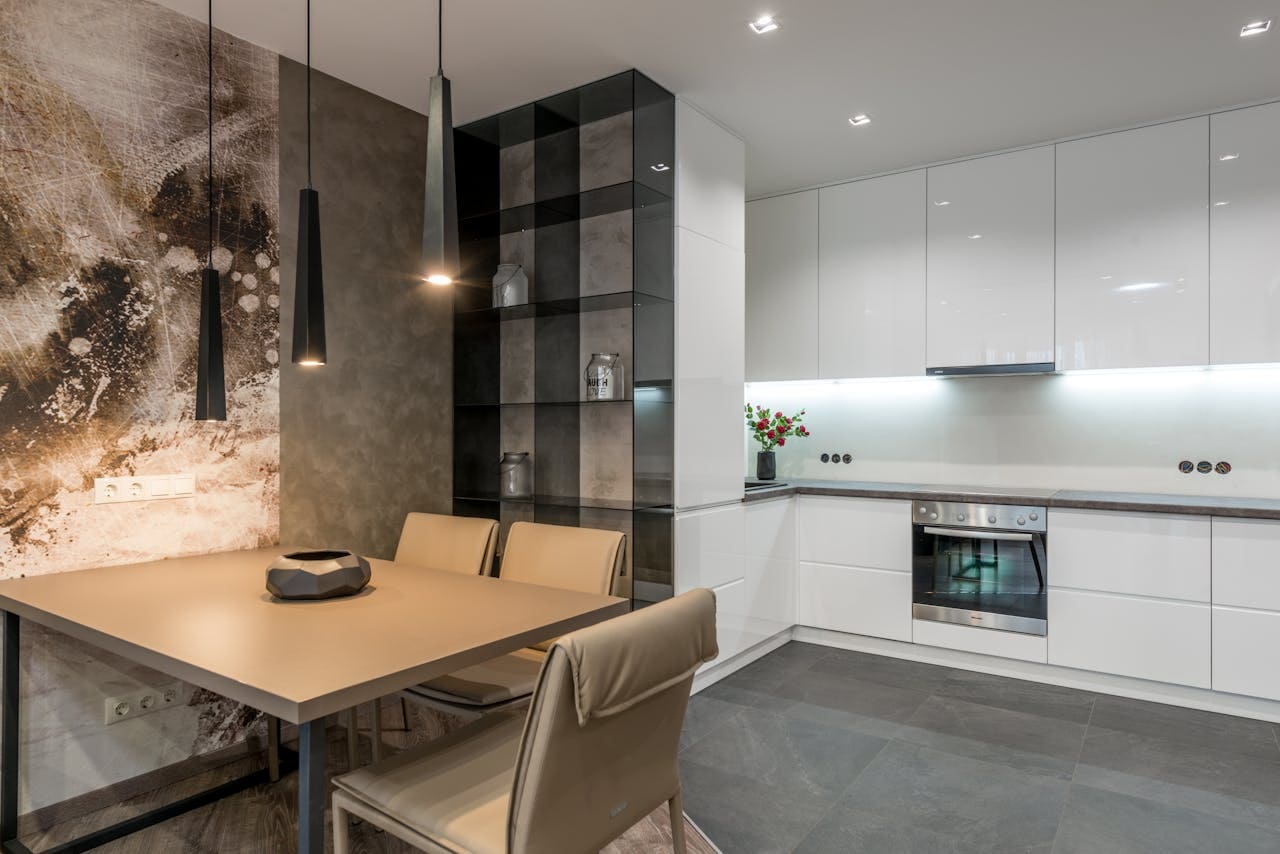
Transforming your IKEA kitchen cabinets with paint seems appealing, yet concerns about laminate surfaces and adhesion issues create hesitation.
Yes, you can successfully paint IKEA kitchen cabinets with proper preparation, primer, and high-quality paint. The key involves thorough cleaning, light sanding, applying bonding primer specifically designed for laminate surfaces, and using durable cabinet paint or professional-grade finishes for long-lasting results.
Cabinet Materials
IKEA kitchen cabinets come in various materials that significantly impact your painting approach and final results. Understanding what you’re working with determines the preparation steps, primer selection, and paint compatibility for your specific cabinet doors and frames.
Most IKEA cabinets feature melamine-coated particleboard or MDF construction with a smooth, non-porous surface that naturally resists paint adhesion. This laminate coating creates the primary challenge when attempting to paint these surfaces without proper preparation techniques.
The SEKTION line, IKEA’s current cabinet system, predominantly uses white melamine surfaces that require specific preparation methods. However, some door styles incorporate solid wood veneers or textured finishes that may respond differently to various painting techniques and products.
Additionally, IKEA’s cabinet hardware and hinges are designed for easy removal, which simplifies the painting process considerably. This removable hardware system allows you to achieve professional-looking results without navigating around complicated fixtures during application.
“IKEA cabinets are absolutely paintable, but you must use the right primer. Skip this step and your paint will chip off within months.” Professional painter Mike Rodriguez
Preparation Steps
Thorough preparation represents the most critical phase of successfully painting IKEA cabinets, directly determining whether your finish lasts years or fails within months. This process requires patience and attention to detail that many DIY enthusiasts underestimate initially.
Begin by completely removing all cabinet doors, drawers, and hardware using IKEA’s straightforward mounting system. Label each piece systematically to ensure proper reassembly later, as even identical-looking doors may have slight variations affecting fit and alignment.
Clean all surfaces meticulously using degreasing detergent or TSP substitute to remove cooking residue, fingerprints, and accumulated grime. This cleaning step proves essential because any remaining contamination prevents proper primer adhesion and creates weak spots in your finish.
Following cleaning, lightly sand all surfaces using 220-grit sandpaper to create microscopic scratches that help primer bond effectively. Focus on creating uniform surface texture rather than removing the laminate coating entirely, which could damage the underlying substrate.
The sanding process requires special attention to edges and detailed areas where paint tends to accumulate or chip over time. These high-wear zones need extra preparation to ensure long-term durability and professional appearance.
“Most cabinet painting failures happen because people rush the prep work. Take your time with cleaning and sanding—it makes all the difference.” Kitchen renovation expert Sarah Chen
Primer Selection
Choosing the correct primer for IKEA cabinets determines whether your paint job succeeds or fails catastrophically within the first year of use. Standard primers simply won’t adhere properly to melamine surfaces, requiring specialized bonding products designed specifically for challenging substrates.
Bonding primers contain special adhesion promoters that chemically bond with smooth, non-porous surfaces like melamine and laminate. These primers create a strong foundation that allows topcoat paints to adhere properly and resist chipping, peeling, or premature wear.
Water-based bonding primers offer several advantages including low odor, quick drying times, and excellent adhesion to IKEA’s melamine surfaces. These products also provide superior stain-blocking properties that prevent bleed-through from underlying surfaces or previous finishes.
Oil-based bonding primers deliver exceptional durability and adhesion but require longer drying times and better ventilation during application. However, these primers excel at blocking stains and providing maximum adhesion on challenging surfaces like IKEA’s laminate cabinets.
The KILZ Adhesion Primer specifically targets challenging surfaces and provides excellent bonding properties for cabinet painting projects. This water-based primer offers fast drying and superior topcoat adhesion.
| Primer Type | Drying Time | Adhesion Rating | Best For |
|---|---|---|---|
| Water-Based Bonding | 2-4 hours | Excellent | Low odor projects |
| Oil-Based Bonding | 6-8 hours | Superior | Maximum durability |
| Shellac-Based | 1-2 hours | Good | Stain blocking |
Paint Options
Selecting appropriate paint for IKEA cabinets involves balancing durability, appearance, and application ease while considering your specific kitchen environment and usage patterns. Different paint types offer distinct advantages that may align better with your particular project requirements and expectations.
Acrylic-alkyd paints combine the durability of oil-based paints with the convenience of water-based cleanup and lower odor levels. These hybrid formulations provide excellent adhesion, superior durability, and professional-grade finishes ideal for high-traffic kitchen environments.
Pure acrylic latex paints designed specifically for cabinets offer excellent color retention, easy cleanup, and good durability for moderate-use kitchens. These paints dry quickly and produce minimal odor during application, making them suitable for occupied homes during renovation.
Oil-based paints deliver maximum durability and create extremely hard, scratch-resistant finishes that withstand heavy use over many years. However, these paints require solvent cleanup, produce strong odors, and need excellent ventilation during application and curing.
Cabinet-specific paint formulations incorporate advanced resins and additives that enhance durability, provide self-leveling properties, and resist common kitchen stains. These specialized products cost more initially but often provide superior long-term performance and appearance.
The Benjamin Moore Advance Paint offers exceptional durability and smooth finish application specifically designed for cabinet painting projects with professional-grade results.
“Cabinet paint is worth the investment over regular wall paint. The durability difference is night and day, especially in kitchens where cabinets get constant use.” Interior designer Lisa Martinez
Application Method
Proper application technique significantly impacts the final appearance and durability of your painted IKEA cabinets, with brush marks, roller texture, and spray patterns all affecting the professional quality of your finished project.
Brush application provides excellent control and works well for detailed areas, edges, and inside corners where other methods struggle. High-quality synthetic brushes designed for cabinet painting minimize brush marks while ensuring even coverage across all surfaces.
Roller application covers large flat surfaces quickly and efficiently while producing consistent texture when using appropriate roller covers. Foam rollers create smooth finishes ideal for cabinet doors, while microfiber rollers provide slight texture that helps hide minor surface imperfections.
Spray application delivers the smoothest, most professional finish but requires significant preparation, proper equipment, and controlled environment conditions. This method excels for large projects but may prove impractical for smaller DIY renovations due to overspray concerns.
The application sequence affects final results substantially, with proper techniques ensuring even coverage and minimizing visible lap marks or texture variations. Start with inside edges and detailed areas before moving to large flat surfaces.
Multiple thin coats produce superior results compared to fewer thick applications, reducing drip risk while building durable, even coverage. Allow proper drying time between coats to prevent adhesion problems and ensure maximum durability.
Here’s the optimal application sequence:
- Prime all surfaces with bonding primer using thin, even coats
- Allow primer to cure completely according to manufacturer specifications
- Lightly sand between coats with 320-grit paper for smoothness
- Apply first topcoat using consistent technique and thin coverage
- Sand lightly between topcoats to eliminate any surface imperfections
- Apply final topcoat for optimal durability and appearance
Drying and Curing
Understanding the difference between drying and curing proves crucial for achieving durable, long-lasting results when painting IKEA cabinets, as rushing this process often leads to premature failure and disappointing outcomes.
Paint drying refers to surface hardening that allows handling and light use, typically occurring within hours of application depending on environmental conditions, humidity levels, and specific product formulations. However, full curing involves complete chemical cross-linking that develops maximum hardness and durability.
Temperature and humidity significantly affect both drying and curing times, with ideal conditions ranging from 65-75°F and 40-50% relative humidity. Extreme conditions can extend curing times significantly or prevent proper film formation entirely.
Proper ventilation accelerates drying while preventing moisture buildup that can cause adhesion problems, surface defects, or extended curing times. However, excessive air movement can cause surface skinning that prevents proper curing of underlying paint layers.
Most cabinet paints require 7-14 days for complete curing, during which time surfaces remain vulnerable to damage from aggressive cleaning, impact, or heavy use. Planning your kitchen renovation timeline around these curing requirements prevents premature damage to your investment.
“Patience during the curing process separates successful cabinet painting from projects that fail. Don’t rush to reinstall hardware or heavy use—give the paint time to fully harden.” Professional cabinet painter Tom Wilson
Even after apparent surface hardening, avoid aggressive cleaning or heavy use for at least one week to allow complete curing and maximum durability development.
Maintenance Tips
Proper maintenance extends the life of your painted IKEA cabinets significantly while preserving their appearance and protecting your investment over many years of kitchen use. Simple preventive care prevents most common problems that lead to premature paint failure.
Regular cleaning using mild soap and water removes cooking residue, grease, and everyday grime before these contaminants can penetrate or damage the paint film. Avoid harsh chemicals, abrasive cleaners, or aggressive scrubbing that can wear through the finish prematurely.
Immediate cleanup of spills prevents staining and reduces the likelihood of permanent damage to your painted surfaces. Kitchen environments expose cabinets to oils, acids, and other substances that can cause discoloration or chemical damage if left untreated.
Hardware maintenance includes periodic tightening of hinges, handles, and drawer slides that may loosen over time. Loose hardware can cause stress points in painted surfaces, leading to chips or cracks around mounting holes.
Touch-up painting addresses minor chips or scratches before they expand into larger problems requiring extensive refinishing. Keep small amounts of your cabinet paint for these repairs, ensuring color matching and proper adhesion to existing surfaces.
Protect painted surfaces from excessive moisture by using exhaust fans, maintaining proper ventilation, and addressing any plumbing leaks promptly. Moisture exposure represents one of the primary causes of paint failure in kitchen environments.
Video Credit: Young House Love / YouTube
Can I paint IKEA cabinets without removing doors?
While technically possible, painting IKEA cabinet doors in place significantly compromises quality and durability of your finished project. Proper preparation requires complete access to all surfaces for thorough cleaning, sanding, and primer application.
Painting mounted doors creates several problems including difficulty reaching edges and inside corners, potential drips or runs from working at awkward angles, and inadequate surface preparation in hard-to-reach areas. Additionally, removing doors allows for better working conditions and prevents accidentally painting hinges or interior cabinet surfaces.
How long should I wait before using painted IKEA cabinets?
Although painted IKEA cabinets may feel dry to the touch within hours, complete curing requires 7-14 days depending on paint type, environmental conditions, and film thickness. During this curing period, avoid aggressive use, heavy loading, or harsh cleaning that could damage the developing paint film.
Light use is acceptable after 48-72 hours, but cabinet hardware installation and normal kitchen operations should wait until full curing completes. Temperature and humidity significantly affect curing times, with cooler or more humid conditions extending the process considerably.
What type of brush works best for painting IKEA cabinet doors?
High-quality synthetic brushes specifically designed for cabinet painting provide optimal results on IKEA’s smooth melamine surfaces. Angled sash brushes excel for detailed work and edges, while 2-3 inch flat brushes handle larger door panels efficiently. Natural bristle brushes aren’t recommended for water-based paints and primers commonly used on IKEA cabinets.
The brush quality directly impacts final appearance, with premium brushes minimizing visible brush marks and ensuring smooth, even coverage. Foam brushes work well for small touch-up work but lack the control and coverage efficiency of quality bristle brushes.
Should I paint the cabinet boxes or just the doors?
Painting both cabinet boxes and doors creates the most cohesive, professional appearance, especially when changing from IKEA’s standard white melamine to different colors. However, painting just the doors represents a more budget-friendly option that still dramatically transforms your kitchen’s appearance.
If keeping boxes unpainted, ensure they’re thoroughly cleaned and in good condition, as any damage or discoloration will become more noticeable against newly painted doors. Consider your kitchen’s lighting and sightlines when deciding, as visible box interiors in open shelving or glass-front cabinets benefit from complete painting.
Can I use spray paint on IKEA kitchen cabinets?
Aerosol spray paint isn’t recommended for IKEA kitchen cabinets due to durability concerns and difficulty achieving even coverage on large surfaces. These products typically lack the hardness and chemical resistance required for kitchen environments. However, professional spray application using cabinet-grade paints and proper equipment produces excellent results with smooth, factory-like finishes.
This method requires significant preparation for overspray protection, proper ventilation, and ideally a dedicated spray booth or controlled environment. Most DIY renovators achieve better results using brush and roller techniques with high-quality cabinet paints.
Sources: