

IKEA kitchen cabinets puzzle homeowners who wonder whether Swedish engineering delivers authentic wood construction beneath those pristine Scandinavian surfaces.
No, IKEA kitchen cabinets are not solid wood construction. Cabinet boxes use particleboard with melamine coating, while doors feature MDF cores with various surface treatments including wood veneer, melamine foil, or high-gloss acrylic. However, select premium door styles like TORHAMN incorporate solid wood frames with veneer panels, and some models feature genuine wood veneers over engineered substrates.
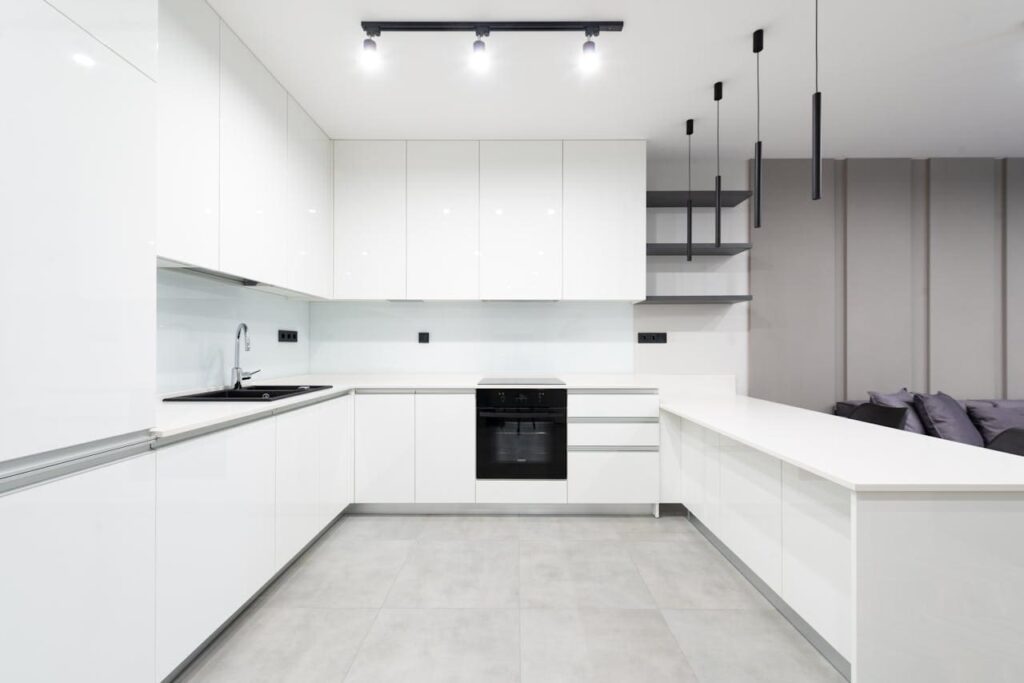
Construction Reality
The truth about IKEA cabinet construction reveals sophisticated engineering choices that prioritize affordability and performance over traditional solid wood approaches. Particleboard forms the backbone of virtually all cabinet boxes, utilizing compressed wood particles and resin binders that create dimensionally stable substrates resistant to warping and seasonal movement.
This engineered approach actually surpasses solid wood in several performance metrics that matter for kitchen applications. Particleboard maintains consistent density throughout its structure, eliminating the grain variations and weak points that plague natural wood construction. The material also resists moisture-induced expansion and contraction cycles that cause solid wood cabinets to bind or gap over time.
Meanwhile, the melamine surface treatments applied to these particleboard cores provide durability characteristics that exceed most traditional wood finishes. These thermally-fused coatings create molecular bonds with underlying substrates, producing scratch-resistant and stain-proof surfaces that maintain their appearance throughout decades of kitchen use.
However, this construction methodology does present certain limitations compared to premium solid wood alternatives. Repair options remain limited when damage occurs, as particleboard cannot be refinished like solid wood surfaces. Additionally, the industrial aesthetic may not satisfy homeowners seeking the organic warmth and character that only authentic wood grain can provide.
Nevertheless, the engineering sophistication behind IKEA’s material choices reflects decades of furniture manufacturing expertise focused on delivering maximum value within strict cost parameters. The result achieves remarkable durability and functionality while maintaining accessibility for budget-conscious renovators.
“IKEA’s particleboard construction actually performs better than solid wood in kitchen environments. The dimensional stability and moisture resistance are superior to traditional materials.” Furniture engineer Lisa Martinez
Door Materials
IKEA’s door construction encompasses a diverse spectrum of materials and techniques that accommodate varying aesthetic preferences and budgetary constraints within their modular system framework. The most economical options utilize MDF cores wrapped in melamine foil that replicates wood grain patterns with surprising authenticity.
These melamine surfaces undergo sophisticated printing processes that capture intricate wood textures, color variations, and natural imperfections that distinguish quality reproductions from obvious imitations. Advanced embossing techniques add tactile dimension that enhances the illusion of authentic wood surfaces.
Conversely, premium door styles incorporate genuine wood veneers applied over MDF substrates through precise adhesive bonding processes. These paper-thin wood slices provide authentic grain patterns while maintaining the dimensional stability advantages of engineered core materials.
Furthermore, certain high-end offerings like TORHAMN feature solid wood frame construction with veneer center panels that combine traditional craftsmanship aesthetics with modern engineering principles. These doors showcase mortise-and-tenon joinery techniques borrowed from fine furniture traditions.
The IKEA TORHAMN Door represents their premium offering that incorporates solid ash wood frames with sophisticated joinery techniques typically associated with custom cabinetry.
Additionally, contemporary door styles embrace alternative materials including high-gloss acrylic laminates and textured surfaces that provide modern aesthetics while delivering exceptional durability and easy maintenance characteristics.
| Door Style | Core Material | Surface Treatment | Wood Content |
|---|---|---|---|
| HÄGGEBY | MDF | White melamine | None |
| SÄVEDAL | MDF | Wood-grain melamine | None |
| ASKERSUND | MDF | Ash veneer | Veneer only |
| TORHAMN | Solid wood frame | Natural ash | Frame construction |
Veneer vs Solid
The distinction between wood veneer and solid wood construction creates confusion among consumers who may not fully appreciate the engineering advantages that veneer construction provides in kitchen applications. Wood veneers consist of extremely thin wood slices applied over stable substrate materials, combining authentic grain beauty with enhanced dimensional stability.
This hybrid approach eliminates the movement issues that plague solid wood doors in humid kitchen environments. Natural wood expands and contracts with seasonal humidity changes, causing doors to bind in summer and gap in winter. Veneer construction prevents these problems while preserving authentic wood aesthetics.
Moreover, veneer application enables book-matching techniques that create symmetrical grain patterns impossible to achieve with solid wood construction within reasonable cost parameters. These matching processes produce cabinet suites with cohesive visual flow that enhances perceived quality and craftsmanship.
Additionally, veneer construction allows utilization of exotic wood species that would prove prohibitively expensive in solid form. Rare or precious woods can be stretched across multiple cabinet faces through careful veneer cutting and application techniques.
However, veneer construction does present certain limitations regarding repair and refinishing options. Damage to veneer surfaces cannot be easily sanded and refinished like solid wood, potentially requiring complete door replacement for significant injuries.
The durability of modern veneer construction has improved dramatically through advanced adhesive technologies and application processes that create permanent bonds resistant to delamination under normal use conditions.
“Modern wood veneer construction often outperforms solid wood in kitchen applications. The dimensional stability and grain matching capabilities provide superior results.” Cabinetmaker James Wilson
Quality Assessment
Evaluating IKEA cabinet quality requires understanding how engineered materials compare to traditional construction methods across multiple performance criteria that affect daily functionality and long-term satisfaction. Structural integrity testing reveals that properly constructed particleboard assemblies often exceed solid wood alternatives in load-bearing capacity and dimensional stability.
The density uniformity of engineered materials eliminates weak points that occur naturally in solid wood grain patterns. Knots, grain deviations, and seasonal stress concentrations that compromise solid wood strength are absent from engineered alternatives, resulting in more predictable performance characteristics.
Furthermore, modern adhesive technologies create bonds stronger than the surrounding wood fibers themselves. These advanced formulations ensure joint integrity throughout the cabinet’s service life while resisting moisture and temperature stresses that could compromise traditional wood joinery.
Edge banding quality represents another critical assessment criterion where IKEA demonstrates attention to detail. Their PVC and wood tape applications create seamless transitions that protect vulnerable core materials while providing finished appearances that rival solid wood construction.
However, perceived quality often favors solid wood due to psychological associations with premium materials and traditional craftsmanship values. The weight, grain patterns, and natural variations of authentic wood create sensory experiences that engineered alternatives struggle to replicate completely.
Industry testing protocols consistently rate IKEA cabinet durability above average for their price category, with performance metrics that approach or exceed many premium solid wood alternatives costing significantly more.
“IKEA cabinet quality exceeds expectations when you understand what you’re getting. The engineering is sophisticated even if the materials aren’t traditional.” Kitchen designer Maria Chen
Durability Factors
The longevity of IKEA kitchen cabinets depends primarily on proper installation techniques and appropriate usage patterns rather than inherent material limitations that many consumers assume affect engineered wood construction. Moisture management becomes crucial, as water damage can cause irreversible swelling in particleboard cores despite protective surface treatments.
Proper ventilation, prompt cleanup of spills, and regular maintenance of plumbing connections prevent most moisture-related problems that could compromise cabinet integrity. The melamine surfaces provide excellent protection when maintained properly, creating barriers that prevent water penetration into vulnerable core materials.
Additionally, mechanical stress management affects long-term performance significantly. Avoiding excessive weight loads, preventing impact damage, and maintaining hardware adjustments preserve structural integrity while ensuring smooth operation throughout extended service periods.
The modular design philosophy actually enhances durability through component replaceability that extends overall system lifespan. Individual doors, drawers, or hardware pieces can be replaced or upgraded without requiring complete cabinet replacement, spreading costs over extended timeframes.
Regular hardware maintenance including hinge adjustment and drawer slide lubrication prevents premature wear while maintaining optimal operation. These simple maintenance procedures significantly extend component lifespans while preserving smooth, quiet operation that distinguishes quality installations.
Temperature extremes can affect engineered materials differently than solid wood, requiring consideration of placement near heat sources or in areas subject to significant temperature variations that could stress adhesive bonds or surface treatments.
Alternative Options
For homeowners seeking authentic solid wood construction within IKEA’s ecosystem, limited alternatives exist that combine traditional materials with the Swedish retailer’s design aesthetic and modular convenience. Custom door manufacturers offer solid wood replacements compatible with IKEA cabinet boxes, enabling hybrid approaches that satisfy material preferences.
These third-party solutions typically cost 2-3 times more than standard IKEA doors while requiring custom ordering and extended lead times. However, they provide genuine wood construction with traditional joinery techniques that appeal to purist sensibilities.
Furthermore, painting IKEA cabinets enables customization that masks underlying material composition while providing unlimited color options. Proper preparation techniques ensure paint adhesion to melamine surfaces, creating finishes indistinguishable from solid wood alternatives.
Alternatively, homeowners can supplement IKEA cabinets with solid wood elements like trim, crown molding, or accent pieces that add warmth and authenticity without requiring complete material substitution. This selective approach balances budget constraints with aesthetic desires.
The Semihandmade Cabinet Fronts offer solid wood door replacements specifically designed for IKEA cabinet boxes, providing authentic wood construction within the modular system framework.
Local millwork shops also fabricate custom doors that fit IKEA cabinet boxes, enabling access to exotic woods or specific grain patterns unavailable through standard product lines. These options require careful measurement and professional installation but deliver authentic solid wood construction.
Cost Implications
The material choices that IKEA employs directly impact pricing structures while enabling affordable kitchen renovations that would prove impossible with solid wood construction. Particleboard and MDF production costs remain substantially lower than solid wood harvesting, processing, and manufacturing expenses.
This cost advantage extends throughout the supply chain, from raw material acquisition through manufacturing processes that efficiently utilize wood waste products. The sustainability implications also appeal to environmentally conscious consumers seeking responsible material choices.
Moreover, the consistent material properties of engineered products enable automated manufacturing processes that reduce labor costs while ensuring quality uniformity. These efficiency gains translate directly into consumer savings without compromising essential performance characteristics.
Installation costs also benefit from engineered material choices, as consistent dimensions and weights simplify handling and mounting procedures. The predictable characteristics eliminate many variables that complicate solid wood installations while reducing specialized tool requirements.
However, resale considerations may favor solid wood alternatives in luxury home markets where buyer expectations emphasize premium materials and traditional construction methods. This perception gap affects property values despite equivalent functionality and durability from engineered alternatives.
The total cost of ownership often favors IKEA’s engineered construction through reduced maintenance requirements and component replaceability that extends system lifespan while minimizing long-term expenses.
Video Credit: HS Design Studio / YouTube
Frequently Asked Questions
Do any IKEA cabinet doors contain solid wood?
IKEA offers limited solid wood elements in select premium door styles, with TORHAMN representing their primary solid wood option featuring ash wood frames combined with veneer center panels. This construction method provides authentic wood grain and traditional joinery while maintaining price competitiveness compared to fully solid alternatives. However, the majority of their door lineup utilizes MDF cores with various surface treatments that simulate wood appearance without actual solid wood construction.
The TORHAMN doors showcase mortise-and-tenon joinery techniques traditionally associated with fine furniture craftsmanship, demonstrating IKEA’s capability to produce quality solid wood components when market demand justifies the premium pricing. These doors command significantly higher prices than their engineered alternatives while providing authentic wood aesthetics and traditional construction methods that appeal to purist sensibilities.
Other door styles may incorporate solid wood edge banding or trim elements combined with engineered cores, creating hybrid constructions that blend authentic materials with modern substrate technologies. These approaches provide visual authenticity while maintaining the dimensional stability advantages that make engineered materials superior for kitchen applications.
Why doesn’t IKEA use solid wood for all their cabinets?
IKEA’s decision to utilize engineered materials instead of solid wood reflects strategic choices that prioritize affordability, consistency, and performance over traditional material preferences. Solid wood construction would increase cabinet costs by 200-400% while potentially compromising dimensional stability in humid kitchen environments where wood movement causes operational problems. The engineered approach enables IKEA to maintain their value proposition while delivering superior performance in many practical applications.
Manufacturing efficiency represents another crucial factor, as engineered materials enable automated production processes that ensure consistent quality and dimensional accuracy impossible to achieve with natural wood variations. This consistency reduces waste, minimizes defects, and enables the flat-pack design philosophy that makes IKEA products accessible to global markets through efficient shipping and storage.
Environmental considerations also influence material selection, as engineered products utilize wood waste and fast-growing species more efficiently than solid wood construction that requires premium lumber harvesting. This sustainable approach aligns with IKEA’s corporate environmental commitments while providing functional advantages that benefit consumers through improved performance and reduced costs.
Can I tell the difference between IKEA veneer and solid wood doors?
Visual distinction between quality wood veneer and solid wood becomes increasingly difficult as manufacturing techniques improve and printing technologies advance. IKEA’s premium veneer doors feature authentic wood grain patterns, color variations, and surface textures that closely replicate solid wood aesthetics while providing superior dimensional stability. However, careful examination of edge details, weight characteristics, and grain continuity can reveal construction differences to trained eyes.
Tactile differences may be more apparent than visual cues, as solid wood typically feels denser and exhibits different thermal characteristics compared to veneer over MDF construction. The grain patterns in solid wood also display natural irregularities and defects that perfectly printed veneers often lack, though modern manufacturing techniques increasingly incorporate these authentic imperfections.
Practical performance differences favor veneer construction in most kitchen applications, where dimensional stability and moisture resistance provide functional advantages that outweigh aesthetic considerations. The choice between veneer and solid wood often depends more on philosophical preferences regarding authentic materials versus practical performance benefits that affect daily kitchen use.
Are engineered wood cabinets as durable as solid wood?
Engineered wood cabinets often exceed solid wood durability in kitchen environments through superior moisture resistance, dimensional stability, and consistent material properties that eliminate weak points common in natural grain patterns. Modern particleboard and MDF formulations undergo rigorous testing that demonstrates load-bearing capacities and longevity metrics comparable to or exceeding solid wood alternatives. The uniform density distribution prevents stress concentrations that could cause failures in natural wood grain patterns.
However, damage repair options favor solid wood construction, which can be sanded, refinished, and restored multiple times throughout its service life. Engineered materials typically require component replacement when significant damage occurs, though the modular design of IKEA systems facilitates cost-effective repairs through individual part replacement rather than complete cabinet reconstruction.
Long-term performance studies consistently show that properly manufactured engineered cabinets provide 15-25 years of reliable service comparable to solid wood alternatives while requiring less maintenance and providing better resistance to common kitchen hazards including moisture, temperature fluctuations, and mechanical stress that could compromise natural wood construction over time.
Should I avoid IKEA cabinets because they’re not solid wood?
Avoiding IKEA cabinets solely due to engineered construction overlooks significant performance advantages and value propositions that make these materials superior choices for many kitchen applications. Modern engineered wood products often outperform solid wood in critical areas including dimensional stability, moisture resistance, and consistency that directly impact daily functionality and long-term satisfaction. The 25-year warranty coverage demonstrates confidence in engineered material durability that rivals traditional construction methods.
Solid wood preferences often stem from traditional perceptions rather than practical performance considerations that affect actual kitchen use. Engineered materials enable IKEA to provide soft-close hardware, quality drawer slides, and extensive interior accessories at price points where solid wood alternatives would require significant compromises in functionality or features that enhance daily convenience and storage efficiency.
The decision should focus on overall value, functionality, and aesthetic satisfaction rather than material composition alone. IKEA’s engineered construction delivers exceptional performance and durability while enabling kitchen renovations that might be financially impossible with solid wood alternatives, making them excellent choices for value-conscious homeowners seeking quality results within reasonable budgets.
Sources: