
Your Carrier furnace just stopped heating, and a small LED on the control board is blinking a mysterious pattern. Don’t panic, that blinking light is your furnace talking to you.
Every Carrier furnace uses a diagnostic LED system on its control board to communicate specific fault codes through sequences of short and long flashes. By counting these blinks, typically displayed as a two-digit number (e.g., code 13 for ignition lockout or code 33 for a limit switch fault), you can identify whether you’re dealing with a simple maintenance issue like a dirty filter or a serious component failure that demands a certified HVAC technician. Understanding these Carrier furnace blinking light codes is the fastest way to restore heat and avoid unnecessary emergency service calls.
This guide covers the most common Carrier furnace error codes across Infinity, Performance, and Comfort series models. You’ll learn how to read LED flash patterns, distinguish between soft and hard lockouts, and take the right corrective action for each fault.
Key Takeaways
- Carrier furnace codes are communicated through LED blink patterns on the control board, where short flashes represent the tens digit and long flashes represent the ones digit—counting these sequences helps you identify the specific fault without emergency service calls.
- The most common Carrier furnace codes stem from simple maintenance issues: code 33 (limit switch lockout) usually results from a dirty air filter, code 34 (flame sensor fault) can be resolved by cleaning the sensor with emery cloth, and code 31 (pressure switch fault) often indicates a blocked vent or condensate trap.
- Understanding the difference between soft lockouts (automatic retry after 1–3 hours) and hard lockouts (requires manual power reset) prevents unnecessary panic and helps you determine whether DIY troubleshooting or professional intervention is needed.
- Replace your furnace filter every 60–90 days and clean the flame sensor annually—these two preventive maintenance tasks alone prevent nearly 45% of residential furnace service calls during winter months.
- Call a licensed HVAC technician immediately if you smell gas, encounter repeated hard lockouts, or suspect heat exchanger damage; attempting repairs on gas valves or control boards without professional expertise poses serious safety risks.
Carrier furnaces embed a single or dual LED diagnostic system directly on the integrated furnace control board (IFC). When your system detects a fault, the LED flashes a coded sequence that maps to a specific problem listed on the door label or in the installation manual.
The key distinction you need to understand immediately is the difference between a soft lockout and a hard lockout. A soft lockout means the furnace will automatically retry ignition after a brief delay, usually one to three hours. A hard lockout means the system has detected a potentially dangerous condition and will not restart until you manually cycle power. Knowing this difference saves you from waiting in a cold house when a simple power reset is all that’s needed.
As one homeowner shared their experience troubleshooting a Carrier unit:
“I counted the blinks on my Carrier and it was 3 short, 3 long. Turned out to be a limit switch issue from a clogged filter. Swapped the filter and it fired right up after a reset.” via r/hvacadvice
How Carrier Furnace Codes Work
Understanding LED Blink Patterns
Carrier furnaces use yellow or green LEDs to communicate fault codes. The LED flashes in a repeating two-part sequence: the first set of blinks represents the tens digit, and the second set represents the ones digit. A brief pause separates the two digits, and a longer pause separates each full code cycle.
For example, code 33 (limit switch lockout) displays as 3 short flashes, a pause, then 3 long flashes. The short flashes always come first. This short-then-long pattern is critical, mixing up the order gives you the wrong code entirely. A steady ON LED with no flashing typically means normal operation with a call for heat.
Diagnostic Methods for Different Models
The Carrier Infinity series uses a more advanced system with a digital display on the Infinity System Control thermostat, which shows alphanumeric status codes directly. Performance and Comfort series models rely on the traditional LED blink system on the control board. If you own an Infinity system, check your thermostat’s status screen before opening the furnace panel, it often provides more detail than the board LED alone.
Role of the Furnace Control Board
The integrated furnace control (IFC) board is the brain of your heating system. It monitors every safety device, flame sensor, pressure switch, limit switches, and igniter, and triggers fault codes when any component reports out-of-range readings. The board also manages the timing sequences for ignition and blower operations. A failed control board itself can generate code 24 (secondary voltage fuse open), which often indicates a short in the thermostat wiring or a blown 3-amp fuse on the board.
Locating the Code on Your Furnace
You’ll find the diagnostic LED visible through a small sight glass on the lower furnace door. Do not remove the door to read the code if your model has a door safety switch, removing it cuts power to the board and clears the code. Instead, look through the peephole. A code reference chart is usually printed on the inside of the upper or lower access panel.
Interpreting and Resolving Common Carrier Error Codes
Ignition and Flame Sensor-Related Codes
Code 13 (limit circuit lockout) and code 14 (ignition lockout failure) are among the most common Carrier furnace fault codes. Code 14 means the furnace tried to ignite multiple times and failed. Common causes include a cracked hot surface igniter, a faulty gas valve, or a dirty flame sensor.
Code 34 specifically points to the flame sensor. The sensor is a small metal rod that detects whether the burner has actually lit. Over time, carbon buildup insulates the rod. You can clean a Carrier furnace flame sensor with fine emery cloth or steel wool, gently rub the rod until it’s shiny, then reinstall. This single step resolves code 34 in the majority of cases. A Supco Universal Flame Sensor is an affordable replacement if cleaning doesn’t resolve the issue.

Pressure Switch and Vent Faults
Code 31 indicates the pressure switch didn’t close or reopened unexpectedly. This means the inducer motor isn’t creating enough draft, or the vent pipe is blocked. Check for ice or debris in your PVC exhaust vent outside your home, especially after heavy snowfall. A clogged condensate trap can also cause code 31 by backing up water into the inducer housing. Clear the trap with a wet/dry vacuum or by running warm water through it.
If the inducer motor itself sounds labored or won’t start, you may be looking at a motor replacement, one of the more involved Carrier furnace repairs.
Limit and Overheating Codes
Code 33 signals a limit switch lockout from overheating. The limit switch is a safety device that shuts down the burners if the heat exchanger gets too hot. The number-one cause? A dirty air filter restricting airflow. Other culprits include a failed blower motor, closed supply registers, or undersized ductwork.
Here’s a quick comparison of the most common codes:
| Code | Meaning | Common Cause | DIY Fix? |
|---|---|---|---|
| 13 | Limit circuit lockout | Repeated overheating | Check filter, reset |
| 14 | Ignition lockout | Failed igniter or gas issue | Maybe, check igniter |
| 24 | Secondary voltage fuse | Thermostat wiring short | Check wiring, replace fuse |
| 31 | Pressure switch fault | Blocked vent or drain | Clear vent/condensate |
| 33 | Limit switch lockout | Restricted airflow | Replace filter |
| 34 | Flame sensor fault | Dirty flame sensor | Clean with emery cloth |
Control Board and Communication Codes
Code 24 indicates the secondary voltage fuse on the control board has blown. This 3-amp automotive-style fuse protects the board from overcurrent on the 24V thermostat circuit. Before replacing the fuse, inspect your thermostat wiring for bare spots or shorts, otherwise, you’ll just blow it again. On Carrier Infinity systems, communication errors between the thermostat and furnace module may display unique status codes on the digital display. Power-cycling the entire system often clears temporary communication faults.
Basic Troubleshooting and Safety Steps
Checking Thermostat Settings and Wiring
Before tearing into your furnace, verify your thermostat is set to HEAT mode and the fan is set to AUTO. Check that the set temperature is at least 2–3 degrees above room temperature. Loose or corroded thermostat wiring is a surprisingly common culprit, especially in older homes where wire nuts may have degraded.
Air Filter and Blocked Airflow Issues
A clogged filter causes more furnace shutdowns than any single component failure. Check your filter monthly during heating season and replace it every 60–90 days at minimum. If your furnace throws code 33 repeatedly, airflow restriction is almost always the root cause. Also inspect all supply and return registers, furniture or rugs blocking them creates the same overheating condition.
Gas Supply and Igniter Checks
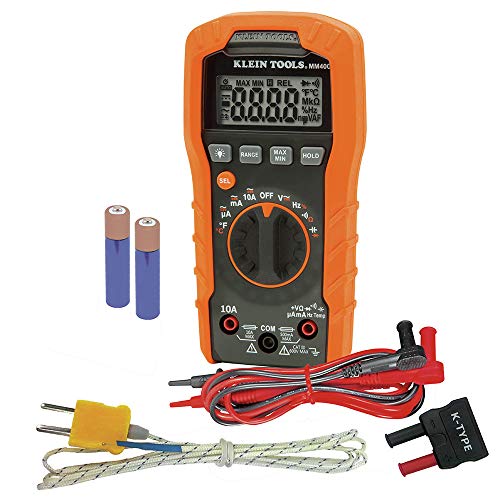
Confirm your gas supply valve is fully open (handle parallel to the pipe). If you suspect an igniter failure, you can visually inspect the hot surface igniter for cracks. A healthy igniter glows bright orange within 30 seconds of a call for heat. Testing HVAC limit switches for continuity with a multimeter is another useful diagnostic step, a good limit switch shows zero ohms (closed circuit) at room temperature.
For reliable diagnostics, a Klein Tools MM400 Multimeter is an essential tool for any homeowner serious about HVAC troubleshooting.
When to Call a Professional HVAC Technician
Call a pro immediately if you smell gas, if your furnace enters a hard lockout repeatedly, or if you’re dealing with suspected heat exchanger cracks (indicated by code 45 on some models). Any repair involving gas valves, heat exchangers, or control board replacement should be handled by a licensed technician.
As another Reddit user wisely noted:
“If you’re resetting your furnace more than twice for the same code, stop and call someone. Repeated lockouts usually mean the root cause isn’t what you think it is.” via r/HVAC
Preventive Maintenance and Long-Term Care
Importance of Regular Filter and Sensor Cleaning
Clean or replace your furnace filter every 1–3 months. Clean the flame sensor annually before heating season begins. These two tasks alone prevent the majority of code 33 and code 34 errors. Keep the area around your furnace clear of stored items to ensure adequate combustion air supply.
Professional Maintenance and Tune-Ups
Schedule a professional tune-up at least once per year, ideally in early fall. A qualified technician will inspect the heat exchanger, test gas pressure, verify electrical connections, and clean internal components that aren’t accessible during routine homeowner maintenance. According to the U.S. Department of Energy, regular professional maintenance can improve system efficiency and extend equipment lifespan.
Reducing Recurring Error Codes
Recurring codes usually point to an underlying issue rather than a one-time fault. If code 31 keeps appearing, you likely have a chronic condensate drainage problem or a weakening inducer motor. If code 14 recurs after cleaning, your igniter may be developing micro-cracks that aren’t visible to the naked eye. Track your fault codes with dates, this log helps your technician diagnose patterns faster.
For tracking maintenance schedules and furnace performance, a tool like Notion works well for creating a simple home maintenance dashboard that keeps all your HVAC service records organized.
Improving System Longevity and Safety
Keep your exhaust and intake PVC pipes clear of snow, ice, leaves, and insect nests. Install carbon monoxide detectors on every level of your home, this is non-negotiable when operating any gas appliance. And always keep your furnace’s installation manual accessible for model-specific code references.
Data Insights and Analysis
According to the Air-Conditioning, Heating, and Refrigeration Institute (AHRI), gas furnace shipments in the U.S. exceeded 3.5 million units in 2025, with Carrier consistently ranking among the top three manufacturers by market share. HVAC service data from 2025–2026 indicates that dirty filters and flame sensor fouling account for roughly 45% of all residential furnace service calls during winter months.
Expert Note: "Most recurring ignition lockouts (code 14) aren't caused by a bad igniter, they're caused by marginal flame sensor current. A healthy flame sensor should read between 2.0 and 6.0 microamps DC. Anything below 1.5 microamps will eventually cause intermittent lockouts, even if the sensor looks clean to the naked eye. Always verify with a meter before replacing parts.", Senior HVAC Diagnostics Reference
Frequently Asked Questions
What do the LED blinks on my Carrier furnace mean?
Carrier furnaces use LED flashes on the control board to communicate fault codes. The first set of short flashes represents the tens digit, and the second set represents the ones digit. For example, code 33 displays as 3 short flashes, a pause, then 3 long flashes. This diagnostic system helps you identify specific problems without calling a technician.
How do I fix a Carrier furnace code 34?
Code 34 indicates a dirty flame sensor. Clean the small metal rod gently with fine emery cloth or steel wool until shiny, then reinstall. This resolves most code 34 issues. If cleaning doesn’t work, replace the sensor with a universal flame sensor replacement.
What’s the difference between a soft lockout and hard lockout on Carrier furnaces?
A soft lockout allows the furnace to automatically retry ignition after 1–3 hours. A hard lockout indicates a serious fault and requires manual power cycling to restart. Understanding this difference helps you decide whether to wait for automatic recovery or reset the system immediately.
Why is my Carrier furnace showing code 33?
Code 33 is a limit switch lockout caused by overheating, usually from a dirty air filter restricting airflow. Replace or clean your filter immediately. Other causes include a failed blower motor, closed supply registers, or undersized ductwork. This is the most common Carrier furnace error code during winter.
What should I do if my Carrier furnace keeps showing code 31?
Code 31 signals a pressure switch fault, typically from a blocked vent pipe or clogged condensate drain. Check for ice or debris in your exhaust vent outside, and clear the condensate trap with a wet/dry vacuum. A chronically failing inducer motor may also cause this recurring code.
When should I call a professional technician for Carrier furnace error codes?
Call a technician immediately if you smell gas, experience repeated hard lockouts, suspect heat exchanger damage, or if a code persists after basic troubleshooting. Gas valve repairs, heat exchanger inspection, and control board replacement must be handled by licensed HVAC professionals for safety.
Sources: