
That blinking LED on your Carrier furnace control board isn’t random, it’s your system talking to you. Learning to read those flash codes can save you hundreds on unnecessary service calls.
Carrier furnace flash codes are diagnostic LED sequences displayed on the control board that identify specific system faults. Each pattern of short and long blinks corresponds to a numbered error code, like Code 13 for ignition lockout or Code 33 for a limit switch trip. You can decode these patterns using the reference chart on your furnace’s access panel or in the owner’s manual. Some codes indicate simple fixes you can handle yourself, such as a clogged condensate trap, while others signal dangerous conditions like gas valve failures that demand a certified HVAC technician immediately.
This guide breaks down how to locate, read, and act on every major Carrier furnace blinking light code, from Infinity series status codes to Performance series troubleshooting steps.
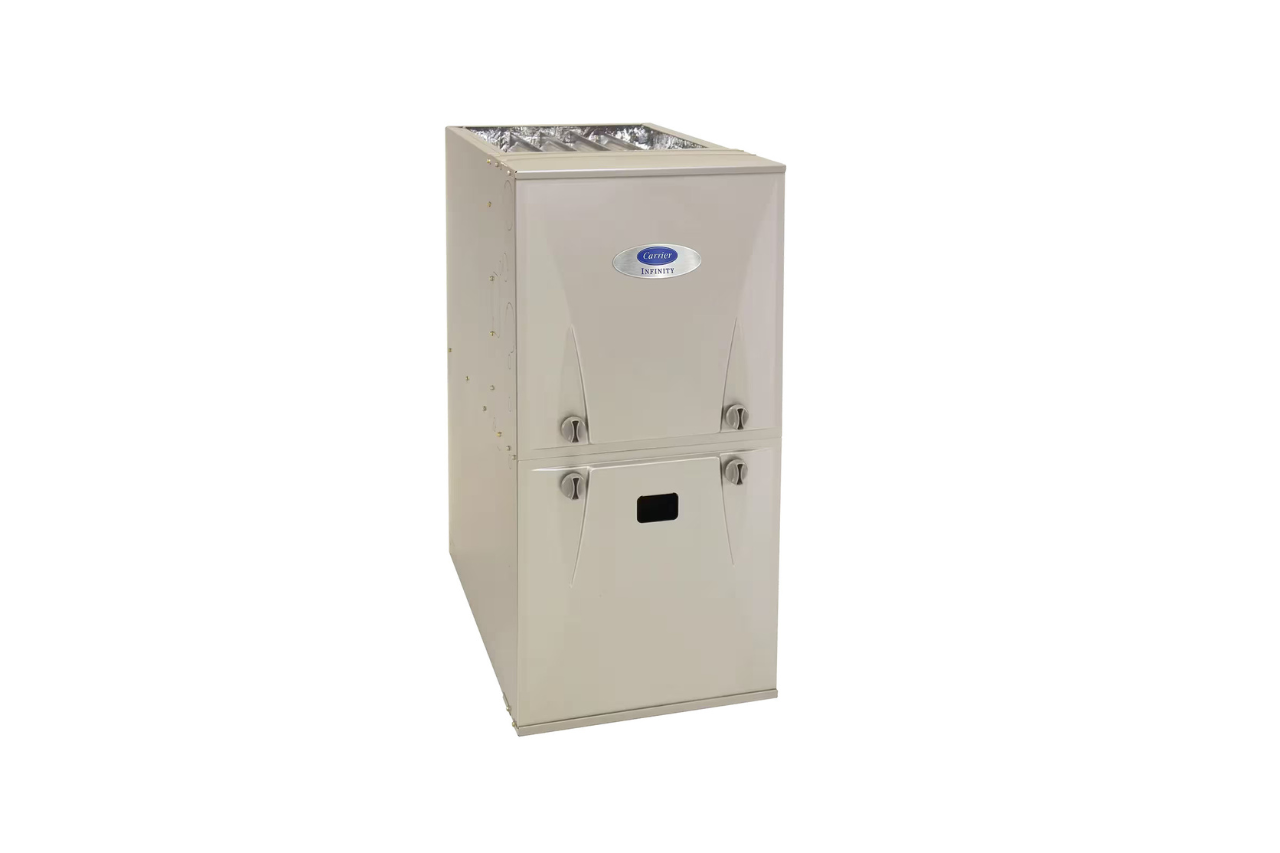
Key Takeaways
- Carrier furnace flash codes are diagnostic LED sequences that identify specific system faults, with each pattern of short and long blinks corresponding to numbered error codes like Code 13 for ignition lockout or Code 33 for limit switch trips.
- Understanding the difference between soft lockouts (which auto-retry) and hard lockouts (which require manual power reset) is critical—repeated hard lockouts indicate a genuine system problem requiring professional diagnosis.
- The flame sensor is the single most common component causing preventable Carrier furnace error codes, and cleaning it with fine-grit emery cloth or steel wool is often a simple DIY fix that resolves Code 34 issues instantly.
- Pressure switch faults (Code 31) frequently stem from clogged condensate traps, blocked vent pipes, or disconnected hoses—all checks homeowners can perform before calling a technician.
- Contact an HVAC professional immediately for Code 26 (rollout switch), repeated hard lockouts, gas odors, or persistent Code 14 failures, as these indicate dangerous conditions like cracked heat exchangers or carbon monoxide hazards.
- Routine maintenance—changing air filters monthly, cleaning flame sensors annually, and flushing condensate drains seasonally—prevents an estimated 40% of furnace service calls caused by ignition and flame sensor faults.
Carrier furnaces use a single or dual LED system on the integrated furnace control (IFC) board to communicate fault codes. When your system shuts down unexpectedly, that yellow or green LED flash pattern is your first diagnostic clue. The codes follow a standardized numbering system, typically ranging from Code 11 (no previous fault) through Code 44 and beyond, depending on your model.
Understanding the difference between a soft lockout and a hard lockout is critical. A soft lockout means the furnace will automatically retry ignition after a brief delay. A hard lockout, but, requires you to manually cycle power to reset the system. Hard lockouts exist to prevent dangerous conditions like gas accumulation. If your furnace enters a hard lockout repeatedly, don’t just keep resetting it, that’s your system telling you something is genuinely wrong.
Whether you own a Carrier Infinity, Performance, or Comfort series unit, the diagnostic LED logic works similarly across models, though the specific code meanings can vary. Always cross-reference with your model’s documentation.
How to Identify and Read Carrier Furnace Flash Codes
Locating the Control Board and Diagnostic LED
Your Carrier furnace control board sits behind the lower access panel. On most models, you’ll need to remove one or two screws and slide the panel downward. The diagnostic LED is typically visible through a small sight glass on the panel itself, so you may not even need to open it.
Look for a small amber, green, or red LED near the center of the board. On Carrier Infinity series units, you may find a more advanced multi-color LED or even a digital display that shows alphanumeric status codes. The LED blinks in a repeating pattern that corresponds to a specific fault number.
Safety first: Before removing any access panel, turn off power to the furnace at the disconnect switch. If you smell gas at any point, leave your home immediately and call your gas utility.
Understanding Flash Patterns and Sequences
Carrier furnace flash codes use a system of short and long flashes to communicate two-digit error codes. For example, Code 33 displays as three short flashes, a pause, then three long flashes. The short flashes represent the first digit: the long flashes represent the second digit.
Here’s how to count them:
- Watch the LED through one complete cycle
- Count the number of short (quick) blinks, that’s your first digit
- Count the number of long (sustained) blinks, that’s your second digit
- The pattern repeats after a longer pause
A steady ON light with no blinking typically means normal operation or that the control board has 24V power with no call for heat. A rapidly flashing LED often indicates a different condition entirely, like a reversed line voltage polarity (Code 12 on many models).
Accessing Code References for Your Model
Every Carrier furnace has a fault code reference chart affixed to the inside of the access panel door. This chart is model-specific, don’t rely on a generic list you found online for a different unit. For Carrier Infinity series status code meanings, you can also check the thermostat display, which often provides plain-language fault descriptions.
If the label is missing or illegible, search your model number on Carrier’s official residential support page to download the installation manual, which includes the full code table.
Common Flash Codes and Their Meanings
Error Codes for Ignition and Flame Sensor Issues
Ignition-related codes are the most frequent reason homeowners search for Carrier furnace error codes. Here are the key ones:
| Flash Code | Meaning | Likely Cause |
|---|---|---|
| Code 13 | Limit circuit lockout | Overheating, dirty filter, blocked vent |
| Code 14 | Ignition lockout (hard) | Failed igniter, gas supply issue |
| Code 34 | Ignition signal sensing issue | Dirty flame sensor, weak flame |
| Code 45 | Lockout due to recurrent flame loss | Intermittent gas valve or sensor fault |
Diagnosing Carrier furnace code 14 ignition failure starts with checking whether the hot surface igniter glows during a call for heat. If it doesn’t glow at all, the igniter has likely failed. If it glows but flame never establishes, suspect a gas valve issue or closed manual gas shutoff.
For Code 34, cleaning the Carrier furnace flame sensor is often all that’s needed. Use fine-grit emery cloth or steel wool to gently clean the sensor rod, then reinstall it. This is one of the most common DIY fixes in HVAC.
“Cleaned my flame sensor with some steel wool and Code 34 went away instantly. Furnace has been running fine for two weeks now.” via r/hvacadvice
Pressure Switch and Airflow-Related Codes
Code 31 is one of the most common Carrier furnace error codes and indicates the pressure switch didn’t close or reopened unexpectedly. Troubleshooting Carrier furnace code 31 pressure switch faults involves checking:
- The inducer motor, is it running? If not, you may need to start replacing Carrier furnace inducer motor components.
- The condensate drain, a clogged condensate trap is a frequent culprit, especially in high-efficiency units.
- The pressure switch hose, disconnect it and blow through it to clear any moisture or debris.
- The vent pipe, check for blockages like bird nests or ice buildup.
Code 24 indicates a secondary voltage fuse is open on the control board. This Carrier furnace secondary voltage fuse open code 24 often points to a short circuit in the thermostat wiring or a failed component downstream.
Limit Switch, Rollout Switch, and Overheating Alerts
Carrier furnace error code 33 limit switch lockout means the furnace’s high-temperature limit switch tripped, usually because the heat exchanger is overheating. Common causes include a dirty air filter restricting airflow, a failed blower motor, or blocked return air ducts. Testing HVAC limit switches for continuity with a multimeter is straightforward: remove the wires, set your meter to continuity, and test across the terminals. A good switch should show continuity when cool and open when it reaches its rated temperature.
The rollout switch (often Code 26) is a safety device that detects flame escaping from the combustion chamber. If this switch trips, do not simply reset it and ignore the problem. Flame rollout can indicate a cracked heat exchanger, a serious safety hazard that can introduce carbon monoxide into your home.
Communication and Control Board Problems
On Carrier Infinity systems, communication errors between the thermostat and furnace control board can produce unique fault codes. A steady amber flash or specific alphanumeric codes on the Infinity thermostat display usually indicate wiring issues or a failed control board.
If you suspect control board failure, look for visible signs: burnt components, bulging capacitors, or scorch marks. A Honeywell S9200U Universal Hot Surface Ignition Module can serve as a universal replacement for many control board functions, though matching your exact Carrier board is always the preferred approach.

Troubleshooting Carrier Furnace Flash Codes
DIY Checks for Homeowners
Before calling a technician, run through these basic checks:
- Check your air filter. A filthy filter causes overheating, limit switch trips, and pressure switch faults. Replace it.
- Inspect the condensate drain. Pour water through the condensate trap to confirm it drains freely.
- Verify the gas supply. Make sure the manual gas valve near the furnace is in the ON position.
- Reset the furnace. Turn off power at the disconnect switch for 30 seconds, then restore it. This clears soft lockouts.
How to reset a Carrier furnace after ignition lockout is simple: cycle the power or turn the thermostat off and back on. But if the lockout returns within a few cycles, stop resetting and investigate further.
Cleaning and Replacing Furnace Components
The flame sensor is the single most common component that causes nuisance lockouts. Pull it out (usually one 1/4″ hex screw), clean it with fine abrasive material, and reinstall. A Klein Tools MM400 Multimeter is an essential tool for testing flame sensor microamp readings, checking limit switch continuity, and verifying voltage at the control board.
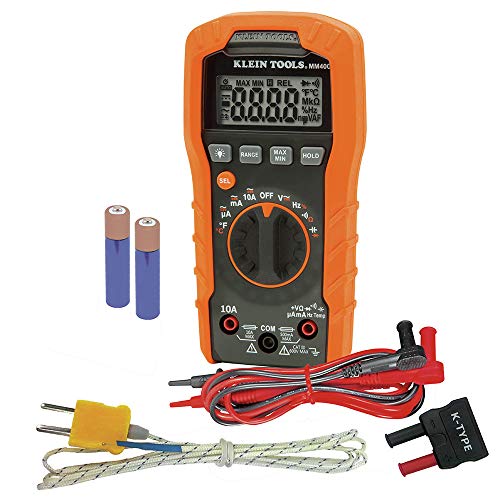
“Bought a cheap multimeter and tested my flame sensor, only reading 0.5 microamps. Replaced it and now I’m getting 3.2. No more Code 34.” via r/HVAC
For tracking recurring faults and maintenance schedules, a home maintenance app like Centriq can help you log error codes and set filter replacement reminders.
When to Call an HVAC Technician
Call a professional immediately if you encounter:
- Code 26 (rollout switch open): Possible cracked heat exchanger
- Repeated hard lockouts after reset attempts
- Gas odor near the furnace at any time
- Code 14 that persists after verifying the gas supply and igniter
The difference between soft lockout and hard lockout matters here. Soft lockouts self-clear. Hard lockouts that keep recurring after manual resets are your furnace telling you a qualified technician needs to diagnose with proper equipment, combustion analyzers, manometers, and gas leak detectors that most homeowners don’t own.
Preventing Future Furnace Flash Codes
Routine Maintenance Steps
Most Carrier furnace error codes trace back to neglected maintenance. Change your air filter every 1–3 months during heating season. Clean the flame sensor annually. Flush the condensate drain at the start of each winter. And keep your return air vents unobstructed, furniture and rugs blocking returns cause overheating codes more often than you’d think.
Importance of Annual Professional Tune-Ups
According to the U.S. Department of Energy, regular HVAC maintenance can reduce energy consumption by 5–15% and catch failing components before they trigger fault codes. An annual professional tune-up typically includes combustion analysis, gas pressure verification, and heat exchanger inspection, three things that directly prevent the most dangerous flash code conditions.
Upgrading for Enhanced Diagnostics
If you’re running an older Carrier Comfort series furnace with basic LED diagnostics, upgrading to an Infinity series unit gives you plain-language fault codes on the thermostat display and remote monitoring capabilities through the Carrier Home app. Modern communicating systems can even alert your HVAC contractor to faults before you notice a problem.
Data Insights & Analysis
According to HVAC industry data, ignition failure and flame sensor faults account for roughly 40% of all residential furnace service calls during peak heating months. Dirty flame sensors alone represent the single largest category of preventable furnace lockouts.
Expert Note: "Most recurring Code 34 and Code 14 faults aren't caused by component failure, they're caused by microamp degradation on the flame sensor due to silicon oxide buildup from household chemicals like hair spray and cleaning products. This contamination reduces the sensor's ability to detect flame current below the 1.0 microamp threshold that the control board requires for proof of flame."
Frequently Asked Questions
What do Carrier furnace flash codes mean?
Carrier furnace flash codes are LED diagnostic sequences on the control board that identify specific system faults. Each pattern of short and long blinks corresponds to a numbered error code—for example, Code 13 indicates limit circuit lockout, while Code 14 signals ignition lockout. Decoding these patterns helps you diagnose issues and determine whether you need professional help.
How do I read a Carrier furnace flash code?
Count the short (quick) blinks—that’s your first digit. Then count the long (sustained) blinks for the second digit. For example, Code 33 displays as three short flashes, a pause, then three long flashes. Check the fault code reference chart on your furnace’s access panel or owner’s manual to match the number to a specific fault.
What is the difference between a soft lockout and hard lockout on a Carrier furnace?
A soft lockout allows the furnace to automatically retry ignition after a brief delay. A hard lockout requires manual power cycling to reset the system and prevents dangerous conditions like gas accumulation. Recurring hard lockouts indicate a genuine problem requiring professional diagnosis and repair.
Can I clean the flame sensor myself to fix Code 34?
Yes, Code 34 (ignition signal sensing issue) is one of the most common DIY fixes. Pull out the flame sensor with a hex wrench, gently clean it with fine-grit steel wool or emery cloth to remove silicon oxide buildup, and reinstall. This often resolves the fault immediately.
What should I do if my Carrier furnace shows Code 26?
Code 26 indicates the rollout switch detected flame escaping from the combustion chamber. This is a serious safety issue—do not simply reset it. Call a certified HVAC technician immediately, as it may indicate a cracked heat exchanger that could introduce carbon monoxide into your home.
What are the most common reasons for Carrier furnace lockouts?
The most frequent culprits are dirty flame sensors (Code 34), clogged condensate drains (Code 31), dirty air filters causing overheating (Code 33), and ignition failures (Code 14). Routine maintenance—changing filters every 1–3 months and cleaning the flame sensor annually—prevents roughly 40% of residential furnace service calls during heating season.
Sources: