

That persistent clicking noise coming from your gas oven can stop you in your tracks. Is it dangerous? Should you turn everything off and leave the kitchen?
A clicking noise in the oven igniter usually means the spark electrode is continuously firing because it can’t establish or maintain a flame. The most common causes include moisture or food debris around the igniter, a worn-out spark module, or a gas supply issue preventing proper ignition. In most cases, this isn’t an immediate emergency, but you should shut off the gas and power before investigating further.
I’ve spent 20 years diagnosing gas appliance problems, and igniter clicking is one of the most frequent calls I get. The good news? Many causes are straightforward to identify and some are even DIY-friendly. Let’s walk through exactly what’s happening inside your oven and what you should do about it.
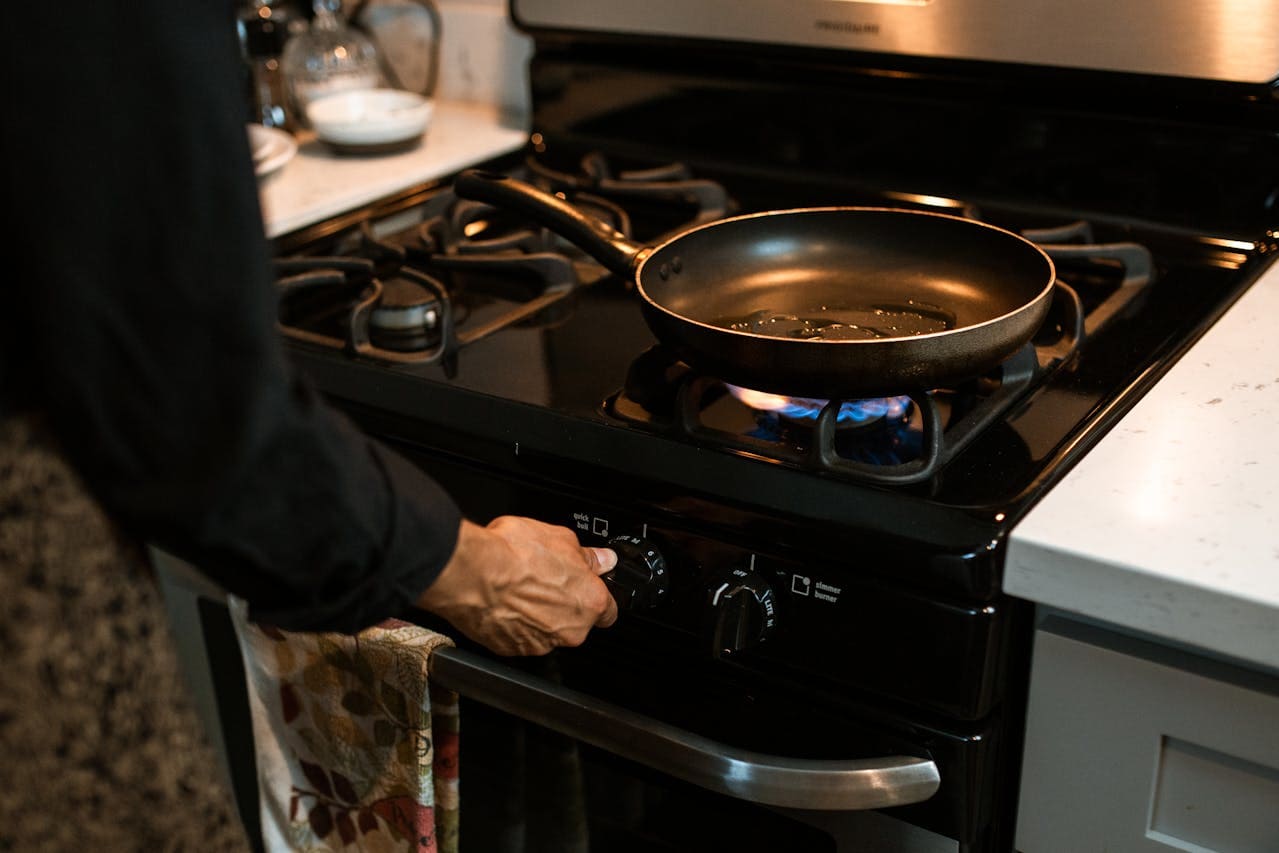
How a Gas Oven Igniter Works
Your gas oven’s ignition system is simpler than you might think. When you turn the oven dial or press the ignition button, an electrical signal travels to a spark electrode, a small ceramic-tipped component positioned near the burner. That electrode generates a rapid series of sparks, which ignite the gas flowing from the burner ports. Once the flame is established, a safety switch (sometimes called a flame sensor) detects the heat and tells the spark module to stop firing.
This entire cycle should take just a few seconds. You’ll hear a quick click-click-click, see the flame catch, and then silence. The spark module has done its job.
But here’s where problems start. If any part of that chain breaks down, the electrode is dirty, the gas isn’t flowing, or the flame sensor can’t confirm ignition, the system keeps trying. That’s the persistent clicking you’re hearing. Your oven’s ignition system is essentially stuck in a loop, repeatedly attempting to light a flame it can’t sustain.
Think of it like a car engine cranking but never turning over. The starter motor keeps spinning because the engine hasn’t caught. Same principle. Your oven’s spark module will keep clicking until it either succeeds or you intervene.
Here’s a helpful video that visually explains the oven ignition cycle:
Common Causes of a Clicking Oven Igniter
Several things can cause your oven igniter to keep clicking. Some are minor annoyances, others signal a real repair need. Let’s break them down.
Moisture and Food Debris Around the Igniter
This is the number one reason I see during house calls. Moisture in the oven ignitor area, whether from a boil-over, steam during cooking, or even high kitchen humidity, creates a conductive path around the spark electrode. Instead of producing a clean spark at the tip, the electrical charge disperses across the wet surface. The module senses that ignition hasn’t occurred and keeps firing.
Food debris works the same way. Grease splatters, crumbs, or baked-on residue around the burner ports can physically block the spark from reaching the gas. The electrode clicks away, but the spark never connects where it needs to.
After a spill or a particularly steamy cooking session, give your oven time to dry out completely before using it again. You can speed this up by leaving the oven door cracked open for 30 minutes. For stuck-on debris, a soft brush or dry cloth works well, just make sure the oven is off and cool first.
Blocked burner ports are another culprit. Even if the spark fires correctly, clogged ports prevent gas from reaching the ignition point. A toothpick or small needle can carefully clear individual ports, but be gentle, you don’t want to widen them.
“My oven kept clicking every time I used it after boiling pasta. Turns out it was just moisture from the steam. Left the door open for a while and it stopped.” via r/appliancerepair
A Faulty or Worn-Out Spark Igniter
Spark igniters don’t last forever. After years of use, the ceramic tip erodes, the electrode gap widens, and the spark weakens. You might notice the clicking sounds different, slower, weaker, or inconsistent. That’s a telltale sign of oven igniter failure.
You can visually inspect the igniter yourself. Look for cracks in the ceramic body, carbon buildup on the tip, or any visible damage to the wiring. If the electrode looks worn down or blackened, it’s likely time for a replacement.
To test your oven igniter, turn off the lights and watch the spark. A healthy igniter produces a bright blue-white spark that jumps consistently to the burner. A weak igniter produces an orange or yellow spark, or sparks intermittently. No spark at all? The igniter or spark module may have failed completely.
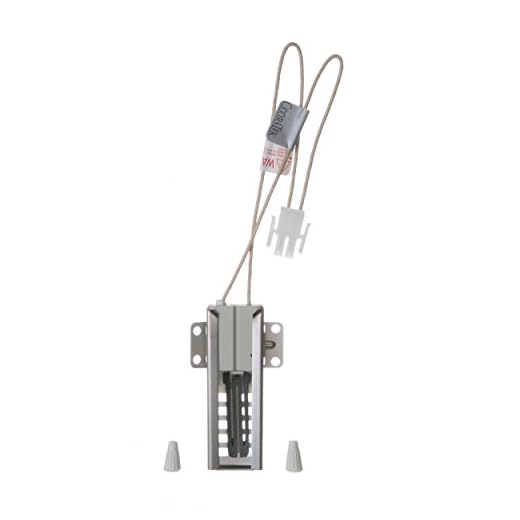
If you’re comfortable with basic appliance work, a replacement igniter like the GE WB13K21 Oven Igniter is a solid, widely compatible option. Always confirm the part number matches your oven model before ordering.
Gas Supply and Valve Issues
If the igniter sparks fine but there’s no flame, the problem might not be electrical at all. A partially closed gas valve, a kinked supply line, or low gas pressure can all prevent fuel from reaching the burner. The spark module does its job perfectly, there’s just nothing to ignite.
Check the obvious first. Is the gas valve behind or beneath the oven fully open? Did someone bump it while cleaning? I’ve seen this more times than I can count.
More serious valve issues, like a stuck safety valve or a faulty gas regulator, require professional attention. If you smell gas at any point during your inspection, stop immediately, ventilate the area, and call your gas company.
How To Troubleshoot and Fix the Clicking Noise
Before you touch anything inside your oven, shut off the gas supply and unplug the unit from the wall. I can’t stress this enough. Gas and electricity together demand respect.
Once everything is safely off, follow this DIY oven troubleshooting checklist:
- Dry the igniter area. Wipe the electrode and surrounding burner with a dry cloth. If moisture is the issue, this alone can solve the problem.
- Clean the spark electrode. Use a soft-bristle toothbrush to gently remove carbon deposits or food residue from the electrode tip.
- Clear the burner ports. Use a toothpick or needle to unclog each port around the burner head.
- Inspect the igniter visually. Look for cracks, chips, or heavy discoloration on the ceramic body.
- Check the wiring. Make sure the wire connecting the igniter to the spark module is secure and undamaged.
- Test the spark. Restore power (gas still off), attempt ignition, and observe the spark quality in a dimly lit room.
If you’ve cleaned everything and the clicking persists, the spark module itself may be failing. The module is the control board that sends electrical pulses to the electrode. A multimeter can test it for continuity, but if you’re not experienced with electrical testing, this is a good point to call a professional.
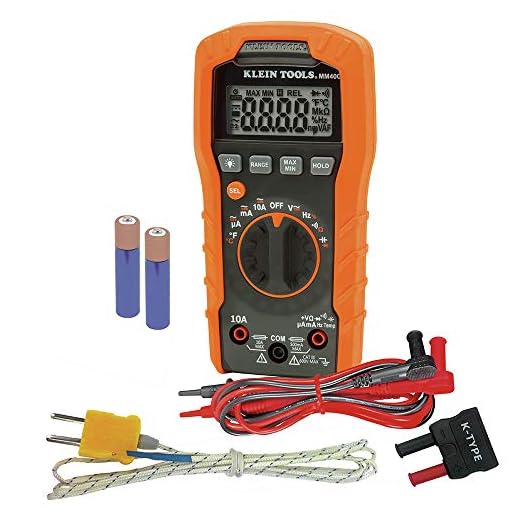
For those who prefer a complete diagnostic tool, a Klein Tools MM400 Multimeter is an affordable, reliable option that every homeowner should have in their toolkit.
“Spent $200 on a service call only for the tech to clean the igniter with a toothbrush. Now I check for debris first every time.” via r/HomeImprovement
When the Clicking Is Normal vs. When It Signals a Problem
Not every clicking noise means something is wrong. Understanding the difference saves you time, money, and unnecessary anxiety.
| Scenario | Normal or Problem? | What To Do |
|---|---|---|
| Brief clicking during startup (2-5 seconds) | Normal | Nothing, this is standard ignition |
| Clicking stops once flame lights | Normal | Your oven is working correctly |
| Clicking continues after flame is lit | Problem | Check flame sensor or safety switch |
| Clicking when oven is off | Problem | Possible short in spark module or moisture |
| Gas stove clicking noise when off | Problem | Unplug and inspect for moisture or wiring fault |
| Clicking with no flame at all | Problem | Check gas supply, then igniter condition |
A gas oven that keeps clicking after lighting typically has a flame sensor issue. The sensor can’t confirm the flame is present, so the system re-triggers the ignition cycle. Cleaning the sensor with fine steel wool often resolves this.
An oven sparking noise that occurs when the appliance is completely off is more concerning. This usually points to a short circuit in the spark module or moisture that’s creating an unintended electrical path. Unplug the oven and let it dry thoroughly. If the clicking resumes after plugging back in, the module likely needs replacement.
The key takeaway: short, purposeful clicking during startup is your oven doing its job. Anything beyond that deserves investigation.
When To Call a Professional for Oven Igniter Repairs
DIY troubleshooting has its limits, especially with gas appliances. Here are the situations where you should stop and call a licensed gas appliance repair tech:
You smell gas. This is non-negotiable. If there’s a gas odor, leave your home, don’t flip any switches, and call your gas utility’s emergency line. According to the National Fire Protection Association, cooking equipment is the leading cause of home fires, and gas leaks dramatically increase that risk.
The clicking persists after cleaning and drying. If you’ve done everything in the troubleshooting section and the gas range spark module keeps clicking, there’s likely an internal electrical fault that requires professional diagnosis.
You’re not comfortable working with gas connections. And honestly? There’s no shame in that. Gas line work carries real consequences if done incorrectly. A certified technician has the tools and training to safely disconnect, test, and reconnect gas components.
Your oven is under warranty. Opening panels or replacing parts yourself can void manufacturer coverage. Check your warranty terms before picking up a screwdriver.
The U.S. Consumer Product Safety Commission maintains recall databases for gas appliances. Before investing in repairs, it’s worth checking whether your oven model has any active recalls related to ignition system defects.
Preventing Future Clicking Issues With Your Oven Igniter
Prevention beats repair every time. A few simple habits will keep your oven’s ignition system running cleanly for years.
Wipe down the igniter area monthly. You don’t need chemicals, a dry cloth removes most buildup before it becomes a problem. Pay special attention to the spark electrode and the burner ports directly around it.
Avoid flooding the oven with steam. If you’re using a water bath for baking, keep it covered when possible. Excess moisture is the leading cause of oven ignitor clicking in otherwise healthy appliances.
Don’t ignore small spills. That drip of sauce that lands near the burner today becomes the baked-on blockage that causes clicking next month. Clean it while it’s fresh.
Schedule annual maintenance. A yearly inspection from a qualified tech catches worn igniters, corroded wiring, and gas pressure issues before they become bigger problems. Think of it like a dental cleaning, boring but worth it.
Data Insights and Analysis
According to the National Fire Protection Association’s 2024 report, U.S. fire departments responded to an estimated 187,600 cooking-related home fires per year between 2017 and 2021, with gas ranges involved in a disproportionate share of fire injuries compared to electric ranges.
A 2025 survey by HomeAdvisor (now Angi) found that the average cost of an oven igniter replacement by a professional ranges from $150 to $300, while a DIY replacement part typically costs $15 to $50. That’s a significant savings for those comfortable doing the work themselves.
Expert Note: "The clicking persistence issue in gas ovens isn't usually about igniter failure, it's about environmental contamination. Moisture and grease create micro-conductive paths across the ceramic insulator of the spark electrode, which bleeds off the high-voltage pulse before it can arc at the tip. The system reads this as a failed ignition attempt and retries indefinitely. Cleaning the insulator surface resolves roughly 70% of these cases without any part replacement."
Frequently Asked Questions
Why does my oven igniter keep clicking but won’t light?
A clicking noise in the oven igniter that won’t produce a flame usually means moisture, food debris, or grease is preventing a clean spark from reaching the gas. It can also indicate a partially closed gas valve or low gas pressure. Shut off the gas, clean the electrode and burner ports, and check that the gas supply valve is fully open before retesting.
How do I stop the clicking noise in my gas oven?
Start by turning off the gas and unplugging the oven. Wipe the spark electrode and surrounding area with a dry cloth, use a soft toothbrush to remove carbon buildup, and clear any clogged burner ports with a toothpick. Moisture and debris cause roughly 70% of clicking issues, so a thorough cleaning often resolves the problem without replacing any parts.
Is a clicking oven igniter dangerous?
A clicking oven igniter isn’t usually an immediate emergency, but it shouldn’t be ignored. If the igniter keeps firing without lighting a flame, unburned gas could accumulate. Shut off the gas supply and investigate the cause. If you smell gas at any point, leave your home immediately and call your gas utility’s emergency line.
How much does it cost to replace a gas oven igniter?
A DIY oven igniter replacement part typically costs between $15 and $50, while hiring a professional for the job averages $150 to $300 according to a 2025 HomeAdvisor survey. If you’re comfortable with basic appliance repairs, replacing the igniter yourself can save significant money—just confirm the part number matches your oven model.
Why does my gas stove keep clicking when it’s turned off?
A gas stove clicking noise when off usually points to residual moisture creating an unintended electrical path or a short circuit in the spark module. Unplug the stove and let it dry thoroughly with the door cracked open for at least 30 minutes. If clicking resumes after plugging back in, the spark module likely needs professional replacement.
How often should I clean my gas oven igniter to prevent problems?
Wipe down the igniter area and spark electrode with a dry cloth at least once a month. Clean up spills near the burner immediately, avoid flooding the oven with uncovered steam, and schedule an annual professional maintenance inspection. These simple habits prevent the moisture and grease buildup that cause most clicking issues.
Sources:
- RepairClinic – Gas Oven Igniter Troubleshooting
- Family Handyman – How to Fix a Gas Oven
- PartSelect – Oven Igniter Replacement Diagrams
- Reddit – r/ApplianceRepair: Oven Clicking Questions
- Appliance411 – Oven Igniter/Spark Module Info
Read More: