

You’re loading the dishwasher, hit start, and suddenly hear a grinding noise that makes you wince. That harsh, mechanical sound from the bottom of your dishwasher is alarming, but don’t panic just yet.
A dishwasher making a loud grinding noise is almost always caused by one of three things: foreign debris trapped in the drain pump, a worn or damaged wash impeller, or a failing drain pump motor. The good news is that the most common cause, food debris or broken glass lodged near the pump, is something you can often fix yourself in under 30 minutes. But, if the grinding persists after clearing debris, or if you notice the motor humming without spinning, you’re likely dealing with a mechanical failure that requires professional appliance repair.
This guide walks you through exactly how to diagnose the source of the noise, which fixes you can safely handle at home, and when it’s time to call a certified technician. Let’s get your dishwasher quiet again.
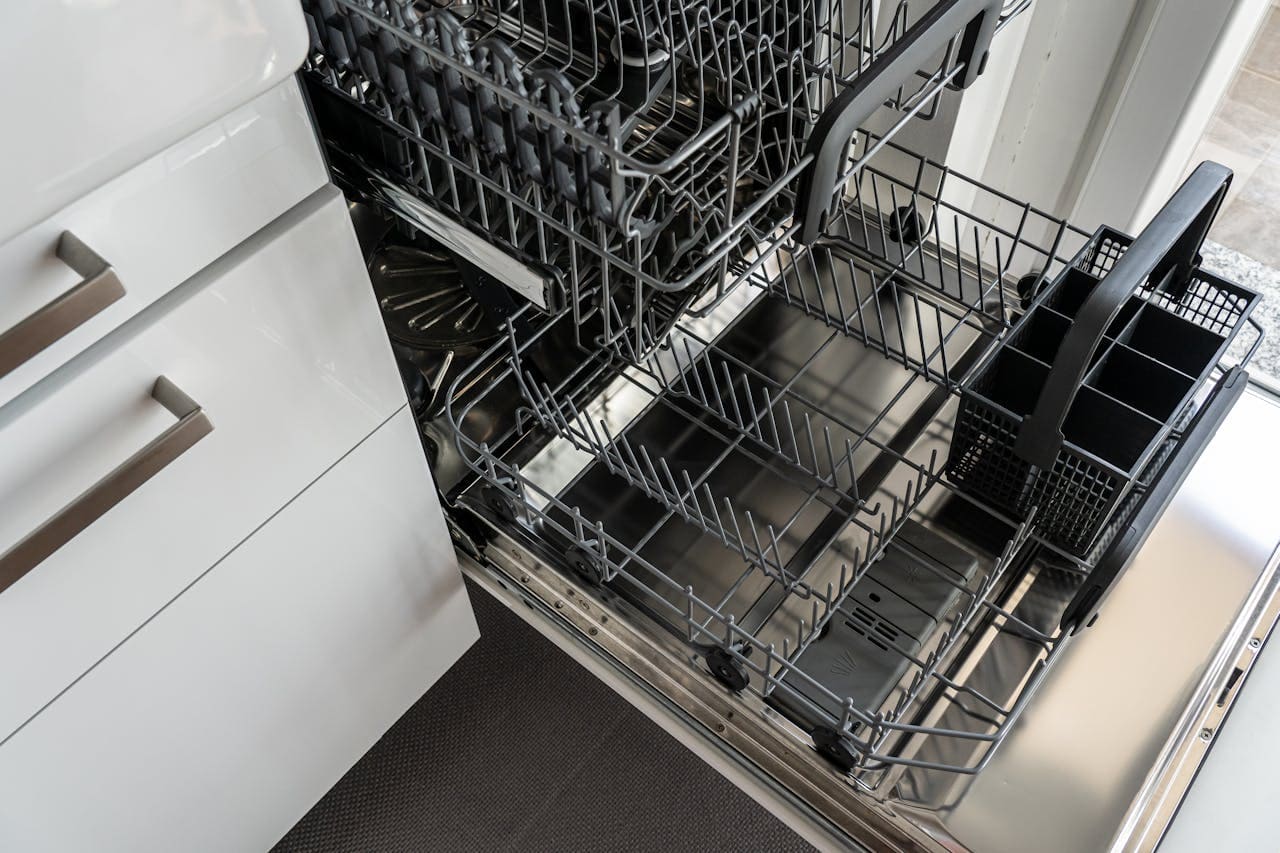
Why Your Dishwasher Is Making a Grinding Noise
Before you start pulling things apart, it helps to understand the three main culprits behind that dishwasher loud grinding noise. Each has a distinct sound signature, and knowing the difference saves you time and money.
Food Debris or Broken Glass in the Pump
This is the number-one reason homeowners hear a sudden grinding noise during the wash cycle. A piece of broken glass, a small bone fragment, a fruit pit, or even a chunk of hard food can slip past the filter and get caught in the drain pump or chopper blade assembly.
When debris lands in the pump area, the impeller tries to spin through or around it. That creates the loud rattling or grinding sound you’re hearing from the dishwasher bottom. It often sounds like something is being chewed up, because it literally is.
The good news? This is usually the easiest fix. You don’t need special tools, and you don’t need to call anyone. A foreign object in the dishwasher drain is a straightforward removal job once you access the pump area.
If the noise started suddenly, especially right after running a load with glassware or dishes that had hard food remnants, this is almost certainly your problem. The sound may come and go as the debris shifts position during the wash cycle.
Stop running the dishwasher immediately if you suspect broken glass. Continuing to operate the machine can scratch the pump housing or damage the impeller fins, turning a free fix into a $150+ repair.
Worn or Damaged Wash Impeller
The wash impeller is the small, finned component inside your wash motor that pressurizes water and pushes it through the spray arms. Over time, these fins can crack, chip, or warp, especially in hard-water areas where mineral buildup accelerates wear.
A damaged impeller produces a consistent grinding or whirring noise that doesn’t change much throughout the cycle. Unlike debris noise, which tends to be irregular, dishwasher impeller damage sounds steady and mechanical. You might also notice reduced water pressure from your spray arms or dishes coming out dirtier than usual.
Impeller damage is a moderate repair. Some homeowners replace the impeller themselves, but it requires partial disassembly of the pump housing. If you’re comfortable with basic appliance work, it’s doable. Otherwise, this is a reasonable time to call a pro.
“Had a grinding noise for weeks. Turned out one fin on the impeller had snapped clean off. Replaced it for $22 and the thing runs silent now.” via r/appliancerepair
Faulty Drain Pump Motor
If your dishwasher motor is humming and grinding but the impeller and pump area are clear of debris, the motor bearings may be failing. This is the most serious of the three causes.
A dying drain pump motor typically produces a loud, low-pitched grinding or groaning noise, especially during the drain cycle. You might hear the motor attempt to start, struggle, and then produce a continuous hum. In some cases, the dishwasher won’t drain at all.
Motor bearings wear out over time, and once they start to go, the problem only gets worse. Running a dishwasher with a failing motor risks overheating and potential electrical issues. This repair almost always requires a professional technician, as it involves electrical connections and motor removal.
Here’s a quick comparison of the three common causes:
| Cause | Sound Type | When It Occurs | DIY Fixable? |
|---|---|---|---|
| Foreign debris in pump | Irregular rattling/grinding | Any cycle phase | Yes |
| Damaged impeller | Steady grinding/whirring | Wash cycle | Moderate |
| Failing drain pump motor | Low groaning/humming | Drain cycle | No, call a pro |
How to Diagnose the Source of the Noise
Diagnosing a dishwasher making noise during the wash cycle doesn’t require expensive equipment. You need your ears, a flashlight, and about ten minutes.
First, run a short wash cycle with the dishwasher empty. Stand nearby and listen carefully. Pay attention to when the noise occurs. Grinding during the wash phase points to the wash motor or impeller. Grinding specifically while draining suggests a drain pump issue. This timing distinction is your most valuable diagnostic clue.
Next, open the dishwasher (after it cools) and remove the bottom rack. Pull out the cylindrical filter assembly, most modern dishwashers have a twist-and-lift filter at the bottom center of the tub. Inspect it for dishwasher debris in the filter: food particles, glass shards, or any hard objects. Shine your flashlight into the sump area beneath the filter.
If you see a foreign object sitting near or against the pump inlet, you’ve found your culprit. If the area looks clean, the issue is likely internal, either a damaged impeller or a failing motor.
Also check your spray arms. Remove them and look through the holes for clogs. A blocked spray arm can create odd noises and reduced cleaning performance, though this is usually more of a rattling sound than a true grind. Knowing how to clear a dishwasher spray arm is basic maintenance every homeowner should learn.
Here’s a helpful video walkthrough for diagnosing dishwasher pump noises:
Step-by-Step Fixes You Can Do Yourself
Once you’ve identified the likely source, here are the DIY fixes you can safely perform at home.
Clearing the Filter and Pump Area
This is the most common fix for a dishwasher loud grinding noise, and it’s simpler than you’d think.
What you’ll need:
- Flashlight
- Needle-nose pliers or tweezers
- Soft brush or old toothbrush
- Towels
Steps:
- Disconnect power to the dishwasher. Unplug it or flip the breaker.
- Remove the bottom dish rack.
- Twist and lift out the cylindrical filter. Most brands (Bosch, Whirlpool, KitchenAid) use a simple twist-lock mechanism.
- Clean the filter under running water with a soft brush.
- Look into the sump cavity below where the filter sat. Use your flashlight.
- If you spot glass, bone, or hard debris, use needle-nose pliers to carefully extract it.
- Reassemble the filter, restore power, and run a short empty cycle to test.
This process takes about 15–20 minutes. If the grinding stops, you’re done. A good pair of needle-nose pliers like the IRWIN Vise-Grip set makes debris extraction much easier and keeps your fingers away from sharp objects.

Inspecting and Replacing the Chopper Blade or Impeller
If clearing debris didn’t solve the noise, you may be dealing with dishwasher chopper blade damage or a cracked impeller.
The chopper blade sits near the drain pump and helps break down food particles before they enter the pump. Over time, it dulls or cracks. A damaged chopper can’t process food properly, and loose pieces can create grinding sounds.
To inspect it, you’ll need to remove the pump cover, usually held by a few screws or clips beneath the filter housing. Consult your owner’s manual for your specific model. Once exposed, look for cracks, chips, or bent metal on the chopper blade and impeller fins.
If the chopper or impeller is damaged, replacement parts are usually available for $15–$40 through your manufacturer or appliance parts retailers. A Supplying Demand dishwasher pump and motor assembly kit can be a solid option depending on your model.
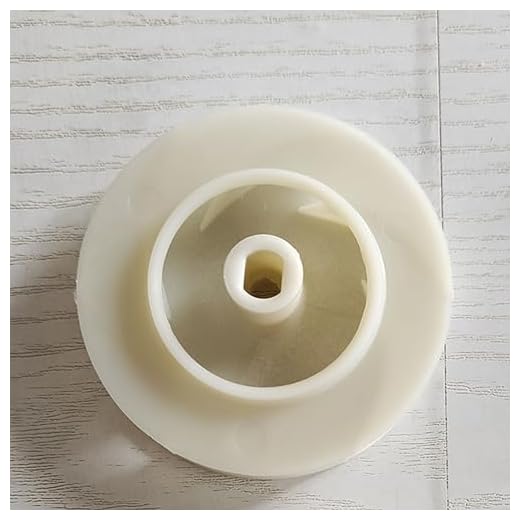
“Replaced my chopper blade after hearing grinding for a month. The old one had a crack running halfway through it. $18 part and 20 minutes of work. Wish I’d done it sooner.” via r/homeimprovement
Always take a photo of the assembly before disassembly so you can reference it during reassembly. And again, make absolutely sure the power is disconnected before you touch anything internal.
When to Call a Professional for Repair
DIY dishwasher sound diagnosis has its limits. Here are the clear signs you should stop and call a certified appliance repair technician:
- The grinding persists after you’ve cleared all visible debris and inspected the impeller
- Your dishwasher motor is humming but not spinning at all
- You smell burning or notice the motor area is unusually hot
- Water isn’t draining, and the pump makes no sound whatsoever
- You’re uncomfortable disconnecting or reconnecting electrical components
A professional can test motor continuity with a multimeter, check for bearing failure, and determine whether you need a pump replacement or a full motor swap. According to HomeAdvisor’s appliance repair cost guide, dishwasher repair costs average $150–$600 depending on the part and labor involved.
Don’t delay if you suspect the motor is failing. Running a dishwasher with a bad motor can cause overheating, trip your breaker, or, in rare cases, lead to water damage if the drain cycle can’t complete.
If you’re weighing repair vs. replacement, a general rule: if your dishwasher is over 8–10 years old and the repair cost exceeds 50% of a new unit, replacement often makes more financial sense.
Preventing Grinding Noises in the Future
A little routine dishwasher maintenance goes a long way. Here’s how to keep that grinding noise from coming back.
Scrape dishes before loading. You don’t need to pre-rinse everything, but remove bones, fruit pits, toothpicks, and any hard items. These are the most common foreign objects that end up in the pump.
Clean your filter every two weeks. Most people don’t even know their dishwasher has a removable filter. Pull it out, rinse it under warm water, and scrub off any buildup. This single habit prevents the majority of dishwasher drain pump noise issues.
Run a cleaning cycle monthly. Use a dishwasher cleaner or a cup of white vinegar on the top rack during an empty hot cycle. This dissolves grease and mineral deposits that can gum up the impeller and spray arms.
Inspect spray arms quarterly. Pop them off and check for clogs in the spray holes. A toothpick works perfectly for clearing small blockages.
Watch your glassware. Chipped or cracked glasses can shed tiny fragments during a cycle. Inspect your glasses before loading, and place delicate items on the top rack where they’re less likely to break.
Following this dishwasher maintenance guide consistently should keep your machine running quietly for years. Most grinding noise issues are entirely preventable with basic upkeep.
Data Insights and Analysis
Recent repair industry data sheds light on just how common this issue is. According to a 2025 consumer appliance reliability survey by Yale Appliances, dishwashers have an average repair rate of approximately 12.8% within the first year, with pump and motor failures among the top three reported issues across all major brands.
Also, data from appliance parts retailers shows a 30% year-over-year increase in dishwasher drain pump replacement orders between 2024 and 2025, suggesting more homeowners are tackling this repair themselves rather than paying for service calls.
Expert Note: "Grinding noises in dishwashers are almost never caused by a single catastrophic failure. They develop gradually, a small piece of debris scores the impeller surface, creating a rough spot that catches more debris over time. By the time the homeowner notices the sound, the damage cycle has been compounding for weeks. That's why regular filter cleaning is the single most effective preventive measure. It stops the cascade before it starts."
Frequently Asked Questions
Why is my dishwasher making a loud grinding noise from the bottom?
A dishwasher making a loud grinding noise is usually caused by foreign debris like broken glass, bone fragments, or fruit pits trapped in the drain pump. A worn wash impeller or failing drain pump motor can also be responsible. Clearing the filter and pump area resolves the issue in most cases.
How do I fix a grinding noise in my dishwasher myself?
Disconnect power, remove the bottom rack and filter, then inspect the sump area with a flashlight. Use needle-nose pliers to remove any trapped debris like glass or food particles. Reassemble, restore power, and run an empty cycle to test. This DIY fix typically takes 15–20 minutes.
When should I call a professional for a dishwasher grinding noise?
Call a certified technician if the grinding persists after clearing debris, the motor hums but won’t spin, you smell burning near the motor, or water won’t drain at all. Motor bearing failure requires professional diagnosis and repair, which typically costs between $150 and $600.
How can I prevent my dishwasher from making grinding noises in the future?
Clean your dishwasher filter every two weeks, scrape hard food debris off dishes before loading, and run a monthly cleaning cycle with vinegar or a dishwasher cleaner. Inspect spray arms quarterly for clogs and check glassware for chips before loading to prevent fragments from entering the pump.
What does a failing dishwasher drain pump motor sound like?
A failing drain pump motor produces a low-pitched groaning or humming noise, usually during the drain cycle. You may hear the motor struggle to start or hum continuously without spinning. This signals worn motor bearings and requires professional repair to avoid overheating or electrical issues.
Is it worth repairing a dishwasher or should I replace it?
A general rule is that if your dishwasher is over 8–10 years old and the repair cost exceeds 50% of a new unit’s price, replacement is more cost-effective. For newer machines, repairing a drain pump or impeller — typically $150–$400 — is usually the smarter financial choice.
Sources:
- Yale Appliances, Most Reliable Dishwashers
- HomeAdvisor, Dishwasher Repair Cost Guide
- Reddit r/appliancerepair Community
- Reddit r/homeimprovement Community
Read More: