

That bubbling, gurgling noise coming from your kitchen sink isn’t just annoying, it’s your plumbing trying to tell you something. And ignoring it usually makes things worse.
A gurgling kitchen sink is almost always caused by an air pressure imbalance in your drain system. This happens when a partial clog restricts water flow, a vent pipe is blocked, or your P-trap isn’t functioning correctly. The trapped air has nowhere to go, so it pushes back through the water in your drain and creates that distinctive gurgling noise. In most cases, you can fix this yourself by clearing the clog, checking the vent, or cleaning the P-trap.
The good news? You probably don’t need to call a plumber yet. I’ve been a licensed master plumber for over 20 years, and I can tell you that roughly 80% of gurgling sink issues are DIY-fixable with basic tools. Let me walk you through exactly what’s happening and how to stop it.
What Causes Gurgling
Your kitchen sink’s drainage system works on a simple principle: water flows down, and air flows in behind it to equalize pressure. When something disrupts that balance, air gets forced through standing water in your trap or drain, and you hear that gurgle. Think of it like putting your thumb over a water bottle and flipping it upside down. The water can’t flow smoothly because air can’t get in.
There are two primary culprits behind almost every gurgling kitchen sink. Let’s break them down.
Partial Drain Clogs
A partial drain clog is the most common reason your kitchen sink gurgles. Grease, food particles, soap residue, and other debris gradually build up inside your drain pipe. The blockage doesn’t have to be complete to cause problems. Even a partial obstruction changes how air and water move through the pipe.
When water tries to pass a narrowed section of pipe, it creates a vacuum effect behind it. That vacuum pulls air through the water sitting in your P-trap, producing the gurgling sound. You’ll often notice this paired with a slow draining kitchen sink.
If the gurgling happens right after you run the garbage disposal or the dishwasher, a partial clog is your most likely suspect. Food waste from the disposal or discharge from the dishwasher overwhelms the partially blocked pipe, and the air pressure imbalance gets loud.
A Reddit user described the experience well:
“Every time my dishwasher drains, my kitchen sink gurgles like crazy and sometimes water backs up into the other basin. Turned out to be a grease clog about two feet past the P-trap.” via r/Plumbing
Bottom line: if your sink drains slowly AND gurgles, start with the drain.
Blocked or Improper Venting
Your plumbing system has vent pipes, usually running up through your roof, that allow air into the drainage system. These vents prevent the vacuum effect that causes gurgling. When a plumbing stack vent gets clogged by leaves, bird nests, ice, or debris, your entire drainage system loses its air supply.
A blocked vent doesn’t just affect one sink. You might notice gurgling sounds from multiple drains, sewer gas smell near fixtures, or toilets that bubble when you run the kitchen faucet. These are telltale signs of a clogged plumbing vent.
Improper venting is also common in older homes or DIY remodels where the vent pipe was never installed correctly. If your kitchen sink was added or relocated without proper drain pipe venting, gurgling is practically guaranteed.
Sometimes the vent issue is seasonal. In colder climates, frost can seal the top of the vent stack during winter. If your gurgling only shows up when temperatures drop, that’s a strong clue.
The key difference between a clog and a vent issue: a clogged drain usually affects one fixture with slow drainage, while a vent problem often affects multiple fixtures and may come with a sewer gas smell.
Diagnosing the Gurgling Source
Before you start taking pipes apart, spend five minutes figuring out where the problem actually is. DIY plumbing troubleshooting works best when you narrow things down first.
Start by running water in the kitchen sink for 30 seconds and listening. Does the gurgling happen while the water is running, or right after you shut it off? Gurgling during flow usually points to a drain clog. Gurgling after flow stops often suggests a venting issue.
Next, check other fixtures. Flush the toilet closest to the kitchen. Run the bathroom sink. If multiple drains gurgle or bubble when you use the kitchen sink, you’re likely dealing with a blocked house vent stack or a main line issue, not just a local kitchen clog.
Here’s a quick comparison to help you identify the source:
| Symptom | Likely Cause |
|---|---|
| Gurgling only in kitchen sink | Partial drain clog or P-trap issue |
| Slow drain plus gurgling | Blocked sink drain |
| Gurgling sound after dishwasher runs | Clog near dishwasher connection |
| Multiple fixtures gurgling | Clogged plumbing vent |
| Sewer gas smell with gurgling | Vent blockage or dry P-trap |
| Garbage disposal gurgling | Food waste buildup in drain line |
Once you’ve identified the most likely cause, you can move on to the right fix.
Clearing a Clogged Drain
If your diagnosis points to a blocked sink drain, this is where you start. You’ll want to work from simple to complex, don’t jump straight to disassembling pipes.
⚠️ Safety First: Never mix chemical drain cleaners. If you’ve already poured one product down the drain, do NOT add another. The chemical reaction can produce toxic fumes or even cause the mixture to splash back. Wear gloves and eye protection whenever working with drain cleaners or snaking a drain.
Here’s your step-by-step approach:
- Boiling water flush: Boil a full kettle and pour it slowly down the drain. This dissolves grease buildup and is often enough for minor clogs.
- Baking soda and vinegar: Pour half a cup of baking soda followed by half a cup of white vinegar. Wait 15 minutes, then flush with hot water.
- Plunger: Use a flat-bottom sink plunger (not a toilet plunger). Fill the sink with a few inches of water, seal the plunger over the drain, and pump vigorously 15–20 times.
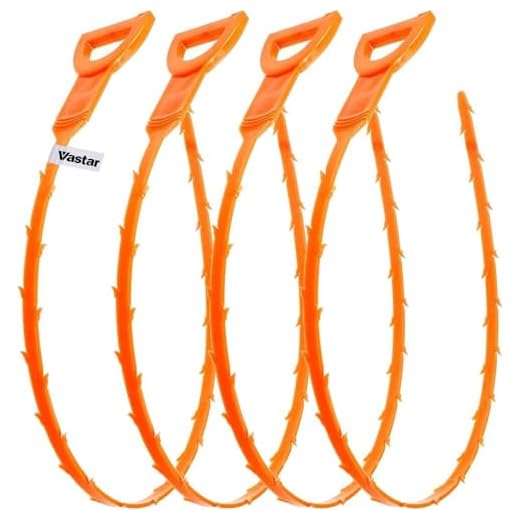
- Drain snake: If the above methods don’t work, feed a plumber’s snake into the drain opening and rotate it as you push forward. You’ll feel resistance when you hit the clog.
For snaking, I recommend the FlexiSnake Drain Weasel for minor clogs, it’s cheap and surprisingly effective for kitchen sink blockages. For tougher jobs deeper in the line, a DrainX 25-Foot Drain Auger gives you the reach you need to clear a clogged sink drain properly.

Another user shared their experience on Reddit:
“I tried everything, boiling water, baking soda, even chemical stuff. Finally bought a 25-foot snake and pulled out a massive grease plug. Gurgling gone instantly.” via r/HomeImprovement
After clearing the clog, run water for a full minute to confirm the gurgling has stopped. If it persists, the problem is likely in the vent system.
Fixing Vent Pipe Issues
If clearing the drain didn’t solve your kitchen sink gurgling noise, you’re probably dealing with a vent pipe problem. This one’s a bit more involved.
Your vent pipe, also called a plumbing stack vent, typically exits through your roof. Its job is to let air into the drainage system so water flows freely. When it’s blocked, the drainage system pressure gets thrown off, and every drain in your house can start acting up.
⚠️ Safety First: Climbing on your roof carries real risk. Use a sturdy ladder, wear non-slip shoes, and never go up in wet or icy conditions. If your roof is steep or you’re uncomfortable with heights, skip this and call a professional plumber.
If you’re comfortable on the roof, locate the vent pipe opening (it’s usually a 3- or 4-inch pipe sticking up). Look inside with a flashlight. You might see leaves, a bird nest, or ice buildup. Remove any visible debris by hand or with a long stick. You can also flush the vent with a garden hose, if water backs up out of the pipe, the blockage is deeper and may require a plumber’s snake fed down from the top.
For homes where roof access isn’t practical or the vent pipe wasn’t installed correctly, a plumbing air admittance valve (AAV) can be a solid alternative. An AAV installs under the sink and allows air into the drain system without a traditional roof vent. They’re code-approved in most areas, but check your local building codes first.
Sink vent pipe cleaning isn’t something most homeowners think about, but adding it to your annual home plumbing maintenance routine can prevent gurgling before it starts.
Here’s a helpful video that walks through vent troubleshooting visually:
Checking and Cleaning P-Trap
The P-trap is that curved pipe section under your sink, it holds a small amount of water that blocks sewer gas from entering your home. But it’s also a common spot for P-trap obstruction from grease, food, and gunk.
To inspect yours, place a bucket under the P-trap to catch water. Unscrew the slip nuts on both ends of the curved section by hand or with channel-lock pliers. Pull the trap down and dump the contents into the bucket. You’ll probably be surprised (and a little disgusted) by what comes out.
Clean the inside of the P-trap with a bottle brush and hot soapy water. While it’s off, shine a flashlight into the pipe going into the wall (the waste arm) to check for additional buildup. Reassemble the trap, hand-tighten the slip nuts, and then snug them slightly with pliers. Don’t overtighten, you’ll crack the fittings.
Run the water and check for leaks at both connections. If the gurgling stops, you’ve found your culprit. If you notice the P-trap was dry (no standing water), that means sewer gas was coming through freely, which also explains any sewer gas smell you might have noticed.
Under-sink plumbing repair like this takes about 10 minutes and costs nothing. It’s one of the most overlooked steps in sink drainage issues.
When to Call a Plumber
Look, I love empowering homeowners to fix things themselves. But some situations genuinely require a professional plumber. Knowing when to call one saves you money in the long run, because a small problem can turn into a big one fast.
Call a professional if you experience any of the following:
- Multiple drains gurgling throughout the house after you’ve checked the vent
- Sewage backing up into the sink or tub
- Persistent sewer gas smell even after cleaning the P-trap
- You’ve snaked the drain and cleared the vent, but the gurgling continues
- Water is pooling around the base of your toilet or near floor drains
These signs often indicate a problem in your main sewer line, something that requires a camera inspection and possibly professional-grade equipment to resolve. A licensed plumber can run a sewer camera to pinpoint the exact location and nature of the blockage.
According to HomeAdvisor, the average cost to hire a plumber for a drain issue in 2025 ranged from $150 to $500 depending on severity. That might sound like a lot, but it’s a fraction of what you’ll pay if a sewer line problem goes unaddressed and causes water damage.
Data Insights and Analysis
A 2025 survey by Thumbtack found that drain cleaning was the most requested plumbing service in the U.S., accounting for roughly 35% of all residential plumbing calls. Also, the International Association of Certified Home Inspectors (InterNACHI) reports that clogged or improperly installed vent pipes are present in approximately 27% of homes over 30 years old.
Expert Note: "Gurgling isn't just a nuisance sound, it's a pressure differential symptom. The air that creates the gurgle is being pulled through your trap seal, and over time, that repeated siphoning can actually break the seal entirely. Once the trap seal is lost, you're exposed to sewer gas, which contains methane and hydrogen sulfide. What starts as an annoying sound can become a health and safety issue if left unresolved."
Keeping Your Drains Quiet
A gurgling kitchen sink is your plumbing’s way of asking for help. In most cases, the fix is straightforward: clear a partial clog, check your vent pipe, or clean the P-trap. These are basic home plumbing maintenance tasks that any homeowner can handle with a little patience and the right tools.
Build a habit of running hot water through your kitchen drain for 30 seconds after doing dishes. Avoid pouring grease down the drain, wipe pans with a paper towel first. And once a year, take a look at your roof vent to make sure it’s clear.
If you’ve tried everything in this guide and the gurgling persists, don’t hesitate to call a licensed plumber. Some problems hide deeper in the system where only professional equipment can reach. There’s no shame in knowing your limits, that’s actually the smartest DIY move you can make.
Frequently Asked Questions
What causes a gurgling sound in the kitchen sink?
A gurgling kitchen sink is almost always caused by an air pressure imbalance in the drain system. The most common culprits are a partial drain clog from grease or food buildup, a blocked plumbing vent pipe, or a P-trap that isn’t functioning correctly. Trapped air pushes back through standing water, creating the distinctive gurgling noise.
How do I fix a gurgling kitchen sink myself?
Start by flushing the drain with boiling water to dissolve grease. If that doesn’t work, try baking soda and vinegar, then a sink plunger. For stubborn clogs, use a drain snake. If the gurgling persists, check your roof vent pipe for debris or clean the P-trap under the sink. About 80% of gurgling issues are DIY-fixable.
Why does my kitchen sink gurgle when the dishwasher drains?
This typically indicates a partial clog near the dishwasher connection point. When the dishwasher discharges water, it overwhelms the partially blocked pipe and creates an air pressure imbalance. Clearing the clog—usually grease or food buildup a few feet past the P-trap—with a drain snake or plunger should resolve the issue.
Can a clogged vent pipe cause a kitchen sink to gurgle?
Yes. Vent pipes on your roof allow air into the drainage system to equalize pressure. When blocked by leaves, bird nests, or ice, the entire system loses its air supply, causing gurgling in multiple fixtures. You may also notice sewer gas smells or toilets bubbling when you run the kitchen faucet—both telltale signs of a vent blockage.
When should I call a plumber for a gurgling kitchen sink?
Call a professional if multiple drains gurgle throughout your house, sewage backs up into the sink or tub, sewer gas smell persists after cleaning the P-trap, or the gurgling continues after snaking the drain and clearing the vent. These signs often point to a main sewer line issue requiring a camera inspection and professional equipment.
How can I prevent my kitchen sink from gurgling in the future?
Run hot water through the drain for 30 seconds after doing dishes to flush away grease. Avoid pouring cooking grease down the drain—wipe pans with a paper towel first. Inspect your roof vent pipe annually for debris, and periodically clean the P-trap under the sink. These simple maintenance habits keep drains flowing quietly.
Sources:
- HomeAdvisor – Plumbing Cost Guide
- This Old House – How to Clear a Clogged Drain
- Family Handyman – Plumbing Vent Problems
- InterNACHI – Home Inspection Standards
Read More: