

You’ve noticed a thin line running across your wall or foundation, and now you’re wondering: is this something serious or just a minor cosmetic issue? The difference between hairline cracks and structural cracks can mean the difference between a quick fix and a major renovation. Understanding what you’re dealing with helps you decide whether to call a professional today or monitor the situation.
Hairline cracks are small, thin fractures that typically measure less than 1/8 inch wide and rarely indicate serious structural problems, while structural cracks are wider, deeper fractures that signal damage to your home’s integrity and require immediate professional attention. Both types appear in concrete, drywall, and foundations, but their causes, severity, and solutions differ significantly.
This guide walks you through the key differences, what causes each type, and when you need to take action to protect your property.
Understanding Hairline Cracks
Characteristics And Appearance
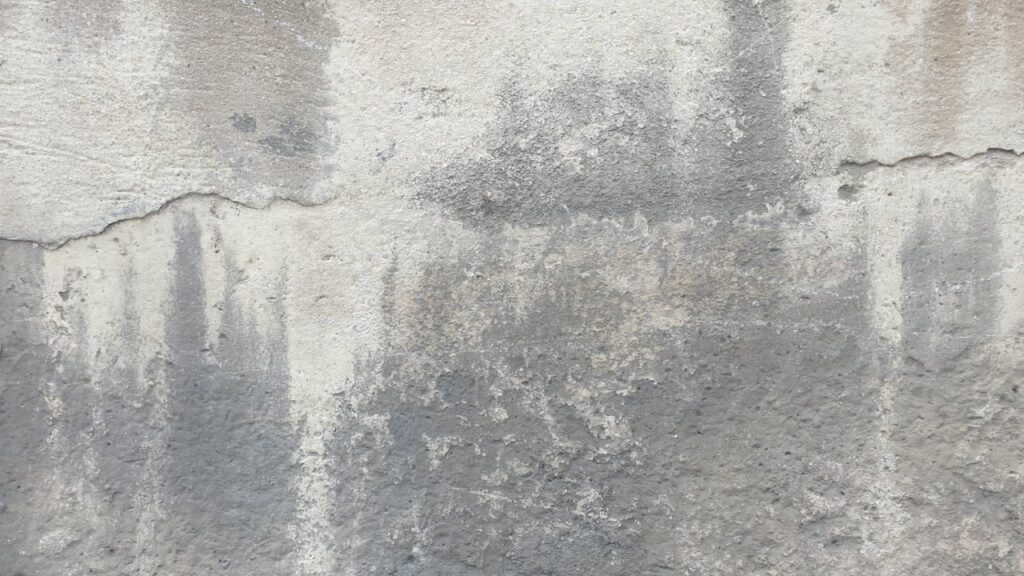
Hairline cracks are among the most common types of fractures you’ll find in your home. They appear as thin, barely visible lines in drywall, concrete, or masonry. These cracks measure less than 1/8 inch in width, which is about the thickness of a credit card. You might struggle to see them with the naked eye, especially on textured surfaces or in low light.
When you run your finger over a hairline crack, you typically won’t feel any significant depth or separation. The surface remains relatively smooth. These cracks often run horizontally or diagonally across walls, usually staying confined to a small area. In concrete foundations, hairline cracks might weave through the surface like fine spider webs.
The visual pattern matters. If cracks spread in a web-like formation across a large area, or if you notice new cracks appearing weekly, you’re looking at a situation that needs attention. But, isolated hairline cracks that remain stable over months usually indicate minor issues.
Common Causes
Hairline cracks develop from several predictable sources. The most common cause is normal settling of your home. New construction typically experiences settling during the first year or two. As the structure adjusts to its permanent position, small cracks appear in drywall, plaster, and sometimes concrete.
Temperature changes create expansion and contraction in building materials. During hot summers, your concrete expands. In cold winters, it contracts. This constant movement stresses the material and produces tiny fractures. Humidity changes inside your home similarly affect drywall and plaster.
Poor finishing work during construction can leave weak points. If concrete wasn’t properly sealed or finished, or if drywall tape wasn’t applied correctly, hairline cracks follow. Minor structural movement also causes these cracks, but the movement is typically so small that it poses no danger to your home’s stability.
Paint failure and age-related deterioration contribute as well. Old drywall compound becomes brittle over time. Paint cracks as the underlying material shifts. In basements, moisture fluctuation causes surface cracking in concrete without affecting the structural integrity.
Understanding Structural Cracks
Characteristics And Severity
Structural cracks tell a different story than hairline cracks. These fractures measure 1/8 inch wide or wider, and they often grow deeper into the material. When you feel a structural crack with your finger, you might sense a gap or step where the surfaces have shifted out of alignment. Some structural cracks feel rough or jagged.
These cracks don’t stay in one place. They expand over weeks or months, sometimes visibly growing before your eyes. You might notice them widening by checking the crack with a ruler or piece of tape marked with the original width. Structural cracks often follow stair-step patterns in masonry or run in multiple directions, creating complex fractured areas.
In concrete foundations, structural cracks might develop horizontally near the middle of a wall, which signals hydrostatic pressure problems. Vertical cracks that step across block patterns indicate settlement or soil movement. When you see water seeping from a crack or staining around it, that’s a red flag for serious structural issues.
Common Causes
Structural cracks result from serious problems affecting your home’s foundation or load-bearing components. Foundation settlement occurs when soil underneath your foundation shifts or compresses unevenly. One section of your home sinks lower than another, stressing the concrete and creating cracks. This commonly happens when soil wasn’t properly compacted before construction or when moisture conditions change dramatically.
Hydrostatic pressure from water is another major cause. When groundwater accumulates against your foundation, it pushes inward with tremendous force. This pressure cracks concrete, especially in basement walls. You’ll often see these cracks paired with moisture damage or water stains.
Structural loads that exceed design capacity create cracks too. If you remove a load-bearing wall without proper support, add excessive weight to floors, or use inferior building materials, the structure fractures under stress. Soil erosion around your foundation removes support from below, destabilizing the structure.
Earthquakes, ground movement, and changes in soil composition also generate structural cracks. Clay soil that expands when wet or shrinks when dry creates movement that stresses foundations. Tree roots growing beneath your home can shift soil and create cracking.
Key Differences Between The Two
Size And Width
The width of a crack is your first clue to its severity. Hairline cracks measure less than 1/8 inch across, roughly the thickness of a playing card or a dime. You might barely see them without good lighting. Structural cracks exceed 1/8 inch and often measure 1/4 inch, 1/2 inch, or wider. Some structural cracks are so wide you can insert a pencil into them.
Width correlates directly to the underlying problem’s seriousness. Hairline cracks rarely indicate serious issues, while wider cracks show that significant forces are at work. A crack that’s 3/16 inch wide sits in a gray zone and warrants professional evaluation.
Progression And Stability
Hairline cracks typically remain stable once they appear. They might stay exactly the same size for years or even decades. Checking them monthly reveals no change. This stability suggests the underlying cause (like initial settling) is complete.
Structural cracks, by contrast, actively grow. You’ll notice them widening over time. A crack that was 1/8 inch wide last month becomes 3/16 inch wide this month. Some progress slowly, while others expand noticeably within weeks. This progression signals ongoing problems that demand attention.
You can track crack progression yourself. Place a piece of tape across the crack and mark the edges with a pen, recording the date. Check monthly. If the marks move apart, the crack is growing. Growth confirms a structural issue.
Impact On Property Value
Hairline cracks have minimal impact on property value. Buyers and appraisers expect minor surface cracks in older homes. These cracks don’t affect your home’s structural integrity, so they don’t reduce value significantly. A coat of paint or spackle makes them disappear entirely.
Structural cracks substantially reduce property value. Buyers view them as red flags for expensive repairs. Lenders might refuse to finance a home with visible structural cracks. Appraisals come in lower. Insurance companies might charge higher premiums or refuse coverage. The cost to repair structural cracks runs into thousands of dollars, which directly impacts your home’s marketability and resale value.
When To Seek Professional Help
You don’t need a structural engineer to evaluate every small crack in your home, but certain situations demand professional assessment. If you notice cracks growing noticeably over a few weeks, call a professional immediately. Growth indicates active structural movement that requires expert diagnosis.
Cracks accompanied by other warning signs need prompt attention. Water seeping from cracks, doors that stick or won’t close properly, windows that won’t open smoothly, or visible gaps between walls and ceilings all suggest structural problems. Uneven floors, stairstep cracking in brickwork, or cracks that run across multiple rooms indicate serious issues requiring professional help.
If you’re unsure about crack severity, it’s worth paying for a professional inspection. Structural engineers and foundation specialists can determine whether you have a serious problem or just normal settling. They provide written reports documenting the issue and recommending repairs. This report becomes valuable when you sell your home.
For foundation cracks wider than 1/4 inch, professional assessment is essential. For cracks in concrete basement walls that show water damage, call immediately. If you see horizontal cracks in foundation walls or stairstep patterns in masonry, these signal serious problems requiring expert evaluation. Trust your instincts, if something feels wrong, get it checked.
Repair And Treatment Options
Your repair approach depends entirely on crack type. Hairline cracks in drywall need only surface treatment. Spackle fills the crack completely. Once dry, sand smooth and paint. The wall looks as good as new. For hairline cracks in concrete, a concrete sealant or caulk fills the gap and prevents water from seeping in. These repairs cost under $100 and take a few hours.
| Crack Type | Width | Typical Repair Cost | Difficulty Level |
|---|---|---|---|
| Hairline | <1/8″ | $50–$200 | DIY friendly |
| Structural | >1/8″ | $500–$5,000+ | Professional required |
Structural cracks require different approaches. Epoxy injections seal structural cracks and restore some bond strength. Carbon fiber straps reinforce cracked areas. For foundation cracks, underpinning stabilizes the foundation and stops settlement. Drainage improvements reduce hydrostatic pressure. These repairs typically cost $500 to several thousand dollars and must be performed by licensed professionals.
Here are your main repair options:
- Epoxy or polyurethane injections: Fill structural cracks and restore structural strength
- Carbon fiber reinforcement: Strengthen walls and prevent crack propagation
- Underpinning: Stabilize foundations affected by settlement
- Drainage systems: Reduce water pressure against foundations
- Sealants and caulk: Protect cracks from water infiltration
- Crack monitoring: Track growth over time before committing to repairs
For minor hairline cracks, monitoring is appropriate. Mark the crack, measure monthly, and document any changes. If it remains stable for six months to a year, it likely needs no repair. If it grows, switch to professional repair. This approach saves money while protecting your investment.
Frequently Asked Questions
What is the main difference between hairline cracks and structural cracks?
Hairline cracks measure less than 1/8 inch wide and rarely indicate serious structural problems, while structural cracks exceed 1/8 inch and signal damage to your home’s integrity. Hairline cracks typically remain stable, whereas structural cracks actively grow over time and require immediate professional attention.
How can I tell if a crack is growing or stable?
Place tape across the crack and mark the edges with a pen and date. Check monthly to see if the marks move apart. If they remain in the same position for several months, the crack is stable. Growing cracks indicate ongoing structural problems requiring professional evaluation.
What causes hairline cracks in walls and concrete?
Hairline cracks develop from normal home settling, temperature changes causing expansion and contraction, humidity fluctuations, poor finishing work during construction, and age-related deterioration. These minor issues typically don’t pose dangers to your home’s structural stability.
Why do structural cracks happen and what do they indicate?
Structural cracks result from serious problems like foundation settlement, hydrostatic pressure from groundwater, excessive structural loads, soil erosion, or soil movement. These cracks signal that significant forces are affecting your home’s foundation or load-bearing components.
How much does it cost to repair hairline cracks versus structural cracks?
Hairline crack repairs cost $50–$200 and are DIY-friendly, typically requiring spackle or sealant. Structural crack repairs cost $500–$5,000+ and require licensed professionals for epoxy injections, carbon fiber reinforcement, or foundation underpinning.
When should I call a professional to inspect a crack in my foundation?
Call a professional immediately if cracks grow noticeably within weeks, are accompanied by water seeping, doors sticking, or uneven floors. Foundation cracks wider than 1/4 inch, horizontal patterns in walls, or stairstep masonry cracks all require expert evaluation.
Read More: