

IKEA kitchen cabinets accumulate grease and grime over time, yet improper cleaning techniques can permanently damage those pristine melamine surfaces.
Clean IKEA kitchen cabinets using mild dish soap mixed with warm water, microfiber cloths, and gentle circular motions to avoid scratching melamine surfaces. Avoid harsh chemicals, abrasive cleaners, or excessive moisture that can damage particleboard cores. For stubborn grease, use diluted white vinegar or specialized cabinet cleaners designed for laminate surfaces, always following up with dry cloths to prevent water damage.
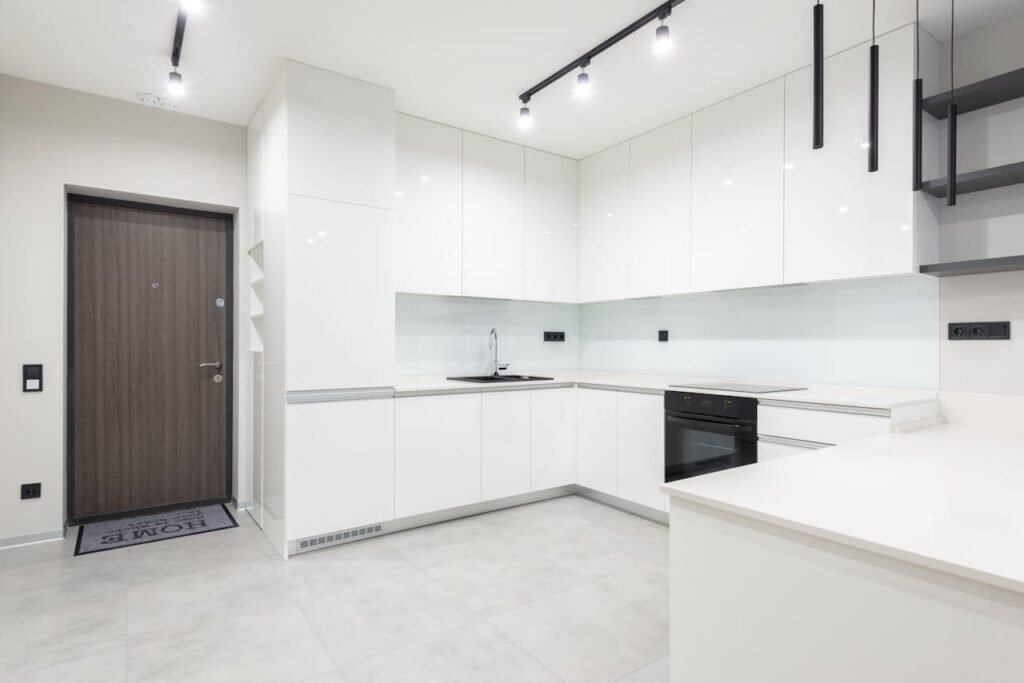
Melamine Surface Care
The melamine coating on IKEA cabinets demands specific cleaning approaches that preserve its integrity while effectively removing kitchen grime and accumulated residue. This thermally-fused surface creates a non-porous barrier that resists stains and moisture when properly maintained, yet aggressive cleaning can scratch or dull the finish permanently.
Understanding melamine’s characteristics becomes crucial for selecting appropriate cleaning products and techniques. The surface consists of decorative paper saturated with melamine resin, creating a hard plastic-like coating that bonds molecularly with underlying particleboard substrates.
Consequently, this coating responds well to gentle cleaning but suffers irreversible damage from abrasive materials or harsh chemicals. Steel wool, scouring pads, and bleach-based cleaners can permanently mar the surface, creating cloudy areas or visible scratches that cannot be repaired through conventional refinishing methods.
Meanwhile, the non-porous nature of melamine prevents deep stain penetration, making most surface contamination easily removable with proper techniques. Grease, food residue, and everyday kitchen soiling typically yield to mild cleaning solutions applied with soft cloths.
Temperature considerations also affect cleaning effectiveness and surface safety. Hot water enhances cleaning action but excessive heat can potentially damage adhesive bonds or cause thermal stress in the laminate coating.
“Melamine surfaces are incredibly durable when cleaned properly, but one aggressive scrubbing session with the wrong materials can ruin them permanently.” Cabinet manufacturer Tom Wilson
Proper Cleaning
The optimal cleaning routine for IKEA cabinets begins with thorough dusting to remove loose particles that could scratch surfaces during wet cleaning phases. Microfiber cloths excel at capturing dust without redistributing it across cabinet faces.
Subsequently, prepare a gentle cleaning solution using two tablespoons of mild dish soap per quart of warm water. This dilution provides effective degreasing action without harsh chemicals that could damage melamine coatings or underlying materials.
Apply the solution sparingly using clean microfiber cloths, working in small sections to prevent excessive moisture accumulation. Wring cloths thoroughly to maintain dampness without dripping, as excessive water can penetrate joints and damage particleboard cores.
Circular motions prove most effective for breaking down grease films while minimizing streak formation across the smooth melamine surface. Avoid linear scrubbing that can create visible scratch patterns or concentrate cleaning solutions in specific areas.
Immediate drying becomes essential after cleaning to prevent water spots and protect vulnerable edge areas where moisture could penetrate protective coatings. Use clean, dry microfiber cloths to remove all moisture residue while buffing surfaces to restore their original luster.
Here’s the step-by-step cleaning process:
- Remove loose debris with dry microfiber cloth
- Mix mild soap solution in appropriate proportions
- Apply sparingly using damp (not wet) microfiber cloth
- Work in circular motions across entire surface
- Dry immediately with clean cloth to prevent water damage
- Buff surface to restore original shine and smoothness
Stubborn Stains
Persistent stains and grease buildup require specialized approaches that intensify cleaning action without compromising surface integrity or causing permanent damage to melamine coatings. White vinegar diluted with water creates an effective degreasing solution that breaks down stubborn residue naturally.
Mix one part white vinegar with three parts water to create a solution strong enough for tough cleaning while remaining safe for melamine surfaces. This acidic mixture effectively dissolves grease films and removes water spots that resist standard soap solutions.
However, test this solution in an inconspicuous area first, as some melamine finishes may react differently to acidic cleaners depending on their specific formulation and age. Allow the test area to dry completely before evaluating any potential adverse reactions.
For particularly stubborn deposits, allow the vinegar solution to dwell briefly before gentle agitation with soft cloths. This contact time enhances cleaning effectiveness while maintaining surface safety through controlled application techniques.
Commercial cabinet cleaners formulated specifically for laminate surfaces provide another alternative for challenging cleaning situations. These products balance cleaning effectiveness with surface compatibility, though costs exceed homemade solutions significantly.
The Weiman Cabinet Cleaner offers specialized formulation designed specifically for laminate cabinet surfaces while providing streak-free results and protective conditioning.
Baking soda paste represents a gentle abrasive option for textured stains that resist liquid cleaning solutions. Mix baking soda with minimal water to create a thick paste, apply sparingly, and remove promptly to prevent prolonged contact that could affect surface finishes.
Hardware Maintenance
Cabinet hardware requires separate cleaning attention to maintain smooth operation and prevent buildup that could affect functionality or create unsightly accumulations around hinges and handles.
Hinges collect grease and dust that can impede smooth operation while creating noise during door movement. Regular cleaning with cotton swabs dipped in mild soap solution removes this accumulation effectively while accessing tight spaces that cloths cannot reach.
Furthermore, the soft-close mechanisms within European hinges contain precision components that benefit from periodic cleaning and light lubrication. These hydraulic dampers operate through tight tolerances that become compromised when contaminated with kitchen residue.
Drawer slides also accumulate debris that affects smooth operation and can cause premature wear of ball-bearing mechanisms. Vacuum loose particles before cleaning with slightly damp cloths, ensuring complete moisture removal from metal components to prevent corrosion.
Handle cleaning requires attention to both decorative surfaces and mounting hardware that may loosen over time. Check mounting screws periodically while cleaning, as kitchen vibrations and thermal cycling can gradually loosen fasteners.
Additionally, remove handles occasionally for thorough cleaning of areas behind mounting points where grease and grime accumulate in hard-to-reach crevices. This periodic deep cleaning maintains hygiene while enabling hardware inspection and maintenance.
“Hardware maintenance is often overlooked, but keeping hinges and slides clean dramatically extends their operational life while maintaining smooth, quiet operation.” Professional installer Maria Rodriguez
Damage Prevention
Protecting IKEA cabinet surfaces from damage requires understanding potential hazards and implementing preventive measures that preserve appearance while extending service life significantly. Heat damage represents a primary concern near cooking appliances where steam and direct heat can affect melamine coatings.
Install proper ventilation systems to minimize moisture accumulation that can penetrate edge joints and cause swelling in particleboard cores. Range hoods eliminate cooking vapors while reducing grease deposition on cabinet surfaces that increases cleaning frequency and difficulty.
Meanwhile, impact protection becomes crucial in high-traffic areas where cabinet doors face frequent contact from users, appliances, or furniture movement. Soft-close hinges help prevent slamming damage, while door bumpers provide additional protection against hard impacts.
Chemical exposure from harsh cleaners, oven cleaners, or acidic spills can permanently damage melamine surfaces through etching or discoloration that cannot be reversed. Immediate cleanup of spills prevents penetration while protecting surface integrity.
Additionally, UV exposure from direct sunlight can gradually fade certain melamine finishes, particularly darker colors that absorb more light energy. Window treatments or cabinet placement considerations help minimize prolonged sun exposure that could cause uneven fading patterns.
Proper loading practices prevent stress concentrations that could cause shelf failure or joint separation. Distribute weight evenly across shelves while avoiding point loads that exceed design specifications.
| Cleaning Product | Safety Rating | Effectiveness | Cost |
|---|---|---|---|
| Mild Dish Soap | Excellent | Good | Low |
| White Vinegar Solution | Good | Excellent | Low |
| Commercial Cabinet Cleaner | Good | Excellent | High |
| Baking Soda Paste | Good | Good | Low |
Deep Cleaning
Periodic deep cleaning sessions address accumulated residue and hidden contamination that regular maintenance cannot eliminate completely. This comprehensive approach involves removing cabinet contents, cleaning interior surfaces, and addressing often-neglected areas behind appliances or in corner cabinets.
Schedule deep cleaning sessions quarterly or semi-annually depending on cooking frequency and kitchen usage patterns. Heavy cooking generates more grease deposition requiring frequent intensive cleaning, while light kitchen use may extend intervals between deep cleaning sessions.
Begin by emptying all cabinets completely to access interior surfaces that accumulate spills, crumbs, and dust over time. Vacuum loose debris before wet cleaning to prevent mud formation that could scratch surfaces or create cleaning streaks.
Interior surfaces often harbor bacteria and odors that regular exterior cleaning cannot address. Use the same mild soap solutions for interior cleaning while paying attention to corners and shelf edges where residue accumulates most heavily.
Furthermore, deep cleaning provides opportunities for hardware inspection and adjustment that maintains optimal operation. Check hinge alignment, drawer slide operation, and handle tightness while surfaces dry between cleaning phases.
The Microfiber Cleaning Kit provides specialized cloths designed for streak-free cleaning on delicate surfaces including melamine and other laminate materials.
This intensive process also enables assessment of wear patterns, potential damage, or areas requiring touch-up maintenance that preserves cabinet appearance and functionality throughout extended service periods.
Special Situations
Certain cleaning challenges require modified approaches that address specific contaminants while protecting cabinet integrity. Grease splatter from cooking creates films that standard cleaning cannot remove without enhanced techniques and specialized products.
Degreasing solutions using diluted ammonia or commercial degreasers can tackle stubborn grease buildup, yet these stronger chemicals require careful application and immediate removal to prevent surface damage. Always test stronger solutions in hidden areas before general application.
Additionally, crayon marks, adhesive residue, or marker stains demand targeted removal techniques that concentrate cleaning action without spreading contamination to surrounding areas. Rubbing alcohol applied with cotton swabs provides controlled cleaning for these localized problems.
Water damage from plumbing leaks requires immediate attention to prevent particleboard swelling that could compromise structural integrity. Remove excess moisture quickly while ensuring thorough drying of affected areas to prevent mold growth or permanent damage.
Meanwhile, odor removal from spills or contamination may require specialized enzyme cleaners that break down organic compounds causing persistent smells. These biological cleaners work slowly but effectively eliminate odor sources rather than masking them temporarily.
Professional restoration services exist for severe damage situations where DIY cleaning proves insufficient. These specialists possess equipment and expertise for addressing extensive contamination or damage that threatens cabinet integrity or appearance.
“Special cleaning situations require patience and the right products. Rushing with harsh chemicals usually makes problems worse rather than solving them.” Cleaning specialist Lisa Park
Video Credit: A Charming Abode / YouTube
Frequently Asked Questions
Can I use bleach to clean IKEA kitchen cabinets?
Bleach should never be used on IKEA kitchen cabinets as it can permanently damage melamine surfaces through chemical etching and discoloration that cannot be repaired. The harsh alkaline properties of bleach react with melamine coatings, causing cloudiness, yellowing, or surface degradation that ruins cabinet appearance permanently. Even diluted bleach solutions pose risks to these delicate laminate surfaces that are designed for gentle cleaning only.
Safe alternatives for disinfection include isopropyl alcohol solutions or specialized cabinet cleaners that provide antibacterial properties without damaging surface finishes. These products effectively eliminate germs and bacteria while maintaining surface integrity and appearance over time. For heavy-duty cleaning situations, white vinegar solutions offer natural disinfecting properties that remain safe for melamine surfaces.
If disinfection becomes necessary due to contamination concerns, use EPA-approved disinfectants specifically labeled as safe for laminate surfaces. Always test any new cleaning product in an inconspicuous area first and follow manufacturer guidelines for contact time and dilution ratios to prevent accidental damage to your cabinet investment.
How often should I clean my IKEA kitchen cabinets?
Clean IKEA kitchen cabinets weekly with mild soap and water for routine maintenance, while deeper cleaning sessions should occur monthly or quarterly depending on cooking frequency and household usage patterns. Daily spot cleaning of visible spills and fingerprints prevents buildup that becomes more difficult to remove over time. High-use kitchens with frequent cooking may require more intensive cleaning schedules to manage grease accumulation effectively.
The melamine surface coating makes regular cleaning relatively easy compared to natural wood cabinets that require specialized care products and techniques. However, neglecting regular maintenance allows grease films and residue to build up, making eventual cleaning more challenging and potentially requiring stronger products that pose greater risks to surface integrity.
Establish consistent cleaning routines that address both visible surfaces and often-neglected areas like cabinet tops, undersides of upper cabinets, and hardware components that accumulate grime gradually. This proactive approach maintains cabinet appearance while preventing cleaning challenges that could require aggressive techniques harmful to melamine surfaces.
What cleaning products should I avoid on IKEA cabinets?
Avoid abrasive cleaners, steel wool, scouring pads, bleach, ammonia-based products, and acidic cleaners stronger than diluted white vinegar on IKEA cabinet surfaces. These materials can permanently scratch, etch, or discolor melamine coatings through chemical reactions or physical abrasion that cannot be repaired. Even products labeled as “safe for all surfaces” may contain ingredients that damage specialized laminate finishes.
Furniture polish and wax-based products should also be avoided as they can create buildup that attracts dirt and grease while potentially interfering with melamine surface properties. Oil-based cleaners may leave residues that become sticky and difficult to remove, requiring stronger cleaning products that pose additional risks to cabinet surfaces.
Always read product labels carefully and test new cleaners in hidden areas before general application. When in doubt, stick to mild dish soap and water solutions that provide effective cleaning without risking damage to your cabinet investment. The conservative approach to cleaning product selection prevents costly mistakes that could require cabinet replacement or professional restoration services.
Can I use magic erasers on IKEA kitchen cabinets?
Magic erasers (melamine foam) should be used very cautiously on IKEA cabinets as they are mildly abrasive and can dull or scratch melamine surfaces with repeated use. While they effectively remove stubborn marks and scuffs, the micro-abrasive action can gradually wear away surface finish and create matte spots that stand out against the original sheen. Test in an inconspicuous area first and use minimal pressure if attempting this cleaning method.
For most cleaning situations, gentler alternatives like baking soda paste or specialized cabinet cleaners provide effective results without the abrasion risks associated with magic erasers. The melamine surface on IKEA cabinets is designed to resist staining and marking, making aggressive cleaning methods typically unnecessary for routine maintenance and spot cleaning.
If using magic erasers becomes necessary for specific stains, limit application to problem areas only and follow immediately with proper conditioning or protective treatments to restore surface uniformity. Consider professional cleaning consultation for valuable cabinets before risking potential damage from abrasive cleaning methods that could compromise appearance permanently.
How do I remove sticky residue from IKEA cabinet surfaces?
Remove sticky residue from IKEA cabinets using rubbing alcohol applied with cotton swabs or soft cloths, working gently to dissolve adhesive without damaging underlying melamine surfaces. This method effectively breaks down most adhesive residues including tape marks, label remnants, or spilled substances without requiring harsh solvents that could damage cabinet finishes. Allow alcohol to penetrate residue briefly before gentle removal attempts.
For particularly stubborn adhesive residues, cooking oil or commercial adhesive removers designed for delicate surfaces may provide enhanced effectiveness while maintaining surface safety. Apply these products sparingly and remove completely with soap and water afterwards to prevent residue buildup that could attract additional dirt and grime over time.
Avoid using sharp objects like razor blades or putty knives that could scratch melamine surfaces permanently. Heat application through hair dryers can soften some adhesives for easier removal, but exercise caution to prevent thermal damage to laminate coatings that could cause warping or delamination in extreme cases.
Sources: