

Wall cracks can appear without warning, turning a simple maintenance task into a source of stress. You might spot a thin line running across your bedroom wall or notice a gap widening near a window frame. The good news? You don’t need to call an expensive contractor for most common wall cracks, you can fix them yourself with basic tools and a little patience.
Most wall cracks can be repaired using household materials like caulk, spackling compound, or patching compound, combined with basic tools you likely already own. The key is identifying what type of crack you’re dealing with and choosing the right repair method.
This guide walks you through every step of the process, from assessing your cracks to finishing touches. By the end, you’ll have the knowledge to tackle wall repairs confidently and prevent future damage from occurring.
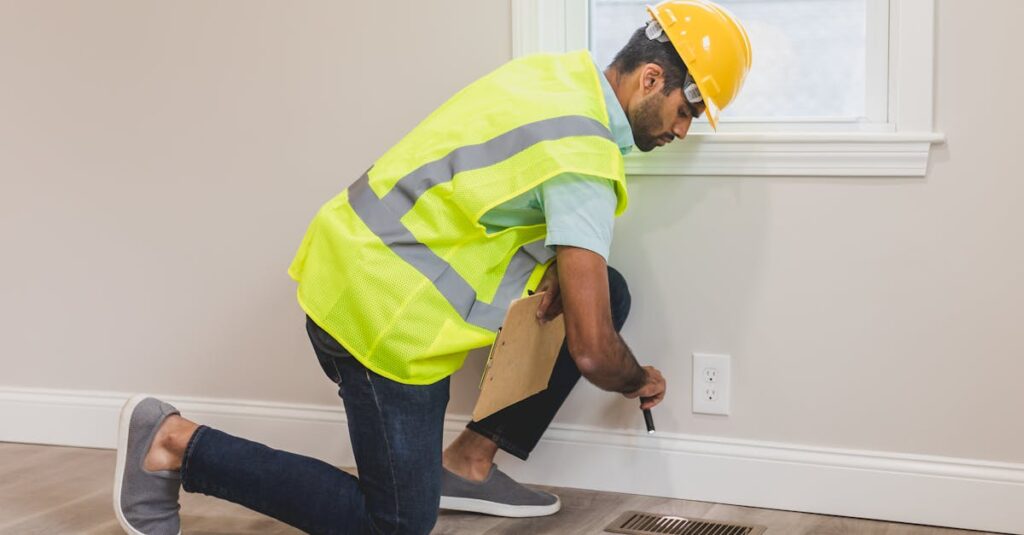
Assess The Severity Of Your Wall Cracks
Before you grab tools, take time to understand what you’re dealing with. Wall cracks come in different sizes and severity levels, and the repair method depends on how serious the damage is. A tiny crack near a light fixture demands a different approach than a larger break near a door frame.
Look at your cracks honestly. Measure the width with a ruler or your finger. Check if the crack is straight or jagged, and see if it’s growing over time. This inspection determines whether you can tackle it alone or if you need professional help.
Hairline Cracks
Hairline cracks are the smallest type, barely wider than a human hair (under 1/8 inch wide). These cracks appear when paint shrinks, temperature changes affect drywall, or minor settling occurs in your home. You’ll find them most often in corners or spreading from corners of windows and doors.
Hairline cracks are purely cosmetic and don’t indicate structural problems. They’re also the easiest to fix and require minimal materials. A tube of caulk or a small amount of spackle handles these cracks in minutes. Most homeowners can complete this repair without any experience.
These cracks won’t grow into bigger problems if you address them early. Left alone, they might collect dust or allow water to seep in over time, so fixing them promptly keeps your walls looking fresh and protects the drywall underneath.
Small To Medium Cracks
Small to medium cracks range from 1/8 inch to 1/2 inch wide. These gaps often develop from humidity changes, house settling, or impact damage. You might see them spreading from window corners, along wall seams, or in areas near doors where walls flex slightly.
These cracks go deeper into the drywall than hairline versions, so they need more substantial repair material. Spackling compound or joint compound works well for this size range. The repair takes longer than hairline fixes but remains a straightforward DIY project.
Small to medium cracks generally don’t signal serious structural issues, though you should watch them. If a crack grows wider over weeks or months, it might indicate settling or moisture problems worth investigating. Most cracks in this range stay stable once repaired properly.
Large Or Structural Cracks
Large cracks exceed 1/2 inch in width and often appear in staircase patterns or multiple directions. These might indicate settling, water damage, or structural concerns. Before attempting repairs, determine if structural issues exist. Look for other signs: uneven floors, doors that won’t close, or cracks in the foundation.
If you see these warning signs, call a professional. Structural problems need expert assessment. But, if the large crack is isolated and you’ve confirmed no structural damage, you can use patching compound for the repair. This process takes more time and material but follows the same basic steps as smaller repairs.
Large cracks warrant a closer inspection. Take photos and date them. Monitor whether they grow over the next few weeks. This information helps you and any contractor understand what’s happening in your home.
Tools And Materials You’ll Need
Gather your supplies before starting work. You don’t need expensive equipment or specialized tools, most items cost under $50 total, and you might already have many of them at home.
Essential Supplies
Here are the core materials for wall crack repair:
- Caulk or sealant – Use acrylic latex caulk for hairline cracks. It’s paintable, affordable, and works on most interior walls
- Spackling compound – Best for small cracks. Buy premixed versions for convenience
- Patching compound – For larger cracks, joint compound works well. It’s thicker and fills deeper gaps
- Putty knife – A 2-4 inch blade handles most repairs. Get one with a flexible blade for smooth application
- Sandpaper – Medium (120-150 grit) and fine (220 grit) grades smooth dried repairs
- Primer and paint – Match your wall color. Bring a paint sample to the store
- Drop cloth or plastic sheeting – Protects floors from dust and spills
- Caulking gun – Required if using caulk from a tube
Safety Equipment
Protect yourself while working:
- Dust mask or respirator – Drywall dust irritates lungs and sinuses
- Safety glasses – Particles can fly up when sanding
- Work gloves – Compounds can dry your skin: gloves prevent this
- Ventilation – Open windows and use a fan. Fumes from some products need air circulation
These items keep you safe and comfortable during the job. Don’t skip safety gear just to move faster, a dusty throat or irritated eyes makes the work miserable.
Prepare The Cracked Area
Preparation is crucial for repair success. Skipping this step leads to repairs that fail, crack again, or look uneven. Taking time to clean and prepare properly ensures your fix lasts years.
Clean Out The Crack
Remove loose material from inside the crack. Use a utility knife or old screwdriver to dig out any crumbling drywall, dust, or debris. Work carefully to avoid widening the crack further. For deeper cracks, use a putty knife at an angle to scrape out the inside.
Vacuum out all dust once you’ve cleaned mechanically. A small handheld vacuum works best, it reaches into tight spaces. You can also use a damp cloth wrapped around your finger to wipe out remaining dust. Let it dry completely before moving to the next step.
Clean cracks accept repair material better. Dust and loose debris prevent compounds from bonding properly, leading to repairs that peel or crack again. This step takes just a few minutes but makes a real difference in results.
Prime The Surface
For hairline cracks, you might skip priming. For anything larger, prime the cleaned area. Priming seals the porous drywall and helps repair material adhere better. Use a small brush or even your finger to apply primer into the crack.
Let primer dry according to package directions, usually 1-2 hours. Don’t skip this step for larger cracks. Unprimed drywall absorbs moisture from compounds unevenly, causing them to shrink or fail. A thin coat of primer prevents these problems.
You can use regular paint as primer if you prefer. It’s less ideal than actual primer, but it works in a pinch. The goal is sealing the drywall before applying repair compound.
Repair Methods For Different Crack Types
Each crack type needs a specific approach. Using the right material for your crack size ensures professional-looking results and repairs that last.
Using Caulk For Hairline Cracks
Caulk is your best choice for hairline cracks. It’s flexible, paintable, and fills tiny gaps perfectly. Load your caulking gun and cut the tip at a 45-degree angle. Practice on paper first if you’ve never used a gun before.
Run the gun along the crack at a steady pace, applying constant pressure. The caulk should fill the crack completely. Smooth it with a wet finger or plastic tool immediately after application. This creates a clean finish and removes excess material.
Let caulk cure for 24 hours before painting. Paintable caulk accepts latex paint once dry. One tube of caulk fixes dozens of hairline cracks, making it economical for multiple repairs around your home.
Spackling And Joint Compound For Small Cracks
Small cracks (1/8 to 1/2 inch) call for spackling or joint compound. Premixed versions are easiest, scoop some onto your putty knife and press it into the crack. Work the compound along the entire length, slightly overfilling it.
Smooth the surface flush with the wall using a wider putty knife. Work from the center outward to push excess compound away from the crack. Let it dry completely, usually 2-4 hours depending on humidity and product thickness.
Drying time varies by brand and layer thickness. Thicker applications take longer. You can apply a second coat if the first shrinks and leaves a depression. Two thin coats often work better than one thick coat.
Patching Compound For Larger Cracks
Larger cracks need patching compound, a thicker product than spackling. It bonds better to deeper damage and fills wider gaps. Apply it similar to spackle, press it firmly into the crack and smooth the surface.
For very wide cracks, you might apply compound in layers. Let each layer dry, then sand lightly before adding the next. This prevents shrinking that leaves visible depressions. Three thin layers work better than one thick layer for cracks wider than 1/2 inch.
Patching compound takes 24 hours or more to cure completely, depending on thickness. Don’t rush this step. Painting over wet or partially cured compound leads to bubbling and failure. Check the product instructions for your specific drying time.
Finishing And Painting
The finishing stage transforms your repair from obvious to invisible. Proper sanding and painting make the repair disappear into your wall.
Sand And Smooth The Repair
Once compound dries completely, sand it smooth. Start with medium-grit sandpaper (120-150 grit) to remove rough edges and high spots. Sand in circular motions, feathering the edges to blend with surrounding wall.
Wipe away all dust with a damp cloth. Let it dry, then inspect your work. If you see low spots or depressions, apply another thin coat of compound and let it dry. Sand again with fine-grit paper (220 grit) for the final smoothing.
Smooth repairs accept paint better and look more professional. Rough, poorly sanded repairs will be visible even after painting. Spend extra time on sanding if your repair is in a visible location.
Paint To Match Your Wall
Color matching is critical for invisible repairs. Bring your wall to the paint store and get an exact match. Paint from different batches varies, so mix your paint well before applying.
Apply primer first if you used plain compound without primer during preparation. One coat of primer, then 1-2 coats of paint, usually covers repairs completely. Use a small brush or foam applicator for precision. Blend the paint edges with the surrounding wall.
Let paint cure for 24 hours before considering the job complete. Most repairs are barely noticeable once painted, especially if you matched color and finish carefully.
Prevent Future Wall Cracks
Stopping cracks before they start is easier than fixing them. Understanding common causes helps you prevent most wall damage.
Temperature and humidity changes stress drywall. Maintain stable indoor conditions with your HVAC system. During winter, use a humidifier to prevent overly dry air. In summer, use air conditioning to control moisture. Stable conditions prevent many stress-related cracks.
Water damage causes serious cracking. Check for leaks near windows, doors, and exterior walls. Fix roof leaks immediately. Ensure gutters drain water away from your foundation. Water seeping into walls softens drywall and causes it to crack.
Avoiding impact damage prevents large cracks. Use door stops to prevent doors from slamming into walls. Be careful when moving furniture. Small impacts don’t cause cracks, but repeated hits or major damage does.
Monitor your home for settling. Most settling happens in the first few years after construction. If you see cracks growing over weeks, document them with photos and dates. This information helps identify whether settling is causing the problem.
| Prevention Method | What It Does | Effort Level |
|---|---|---|
| Control humidity | Prevents stress from temperature/humidity changes | Low |
| Fix water leaks | Stops water damage to drywall | Medium |
| Avoid impact damage | Prevents cracks from bumps and hits | Low |
| Monitor settling | Identifies serious structural issues | Low |
| Maintain HVAC system | Keeps temperature and humidity stable | Low |
Frequently Asked Questions
What’s the difference between hairline cracks and small wall cracks?
Hairline cracks are less than 1/8 inch wide and purely cosmetic, caused by paint shrinkage or temperature changes. Small cracks range from 1/8 to 1/2 inch and go deeper into drywall from humidity or settling. Small cracks need spackling or joint compound, while hairline cracks only require caulk.
How to fix wall cracks without calling a contractor?
Clean out loose debris, prime the area if necessary, and apply the appropriate repair material—caulk for hairline cracks, spackling for small cracks, or patching compound for larger cracks. Sand smooth once dry, then paint to match your wall. Most DIY fixes cost under $50 and take a few hours.
Can I paint over wall cracks without repair?
No, painting over unrepaired cracks won’t fix them. Paint won’t fill the gap, and cracks will continue to grow. You must clean the crack, apply appropriate repair material, and let it dry before painting. Skipping repair leads to visible lines and potential water damage.
When should I call a professional for wall cracks?
Call a professional if cracks exceed 1/2 inch wide, appear in staircase patterns, or if you notice other warning signs like uneven floors or doors that won’t close. These indicate potential structural issues. Isolated large cracks without structural damage can be DIY projects using patching compound.
How long does it take to fix a wall crack?
Hairline cracks take 15-30 minutes plus 24 hours curing time before painting. Small cracks take 1-2 hours of work plus 2-4 hours drying. Large cracks need multiple layers and take several hours of work spread over 24+ hours. Total time includes drying, sanding, and painting.
What materials do I need to repair wall cracks?
Essential supplies include caulk or sealant, spackling or patching compound, putty knife, sandpaper (120-220 grit), primer, and paint. You’ll also need a caulking gun, drop cloth, and safety gear like dust mask and gloves. Most supplies cost under $50 total and can tackle multiple repairs.
Read More: