

You’ve just moved into your new house, the smell of fresh paint, new floors, everything perfect. Then you notice a small crack running across the drywall. Your stomach drops. Is this normal, or have you made a terrible mistake? The truth is, new houses settle and crack all the time, and in most cases, it’s completely expected.
Yes, it’s normal for a new house to settle and crack during the first year or two of construction and use. Houses naturally shift as materials adjust to humidity and temperature changes, and as soil beneath the foundation compacts over time. Understanding what’s normal versus what signals a real problem can save you stress and unnecessary repair costs.
This guide walks you through what causes settlement and cracking, how to identify concerning cracks, and when you should bring in a professional to take a closer look.
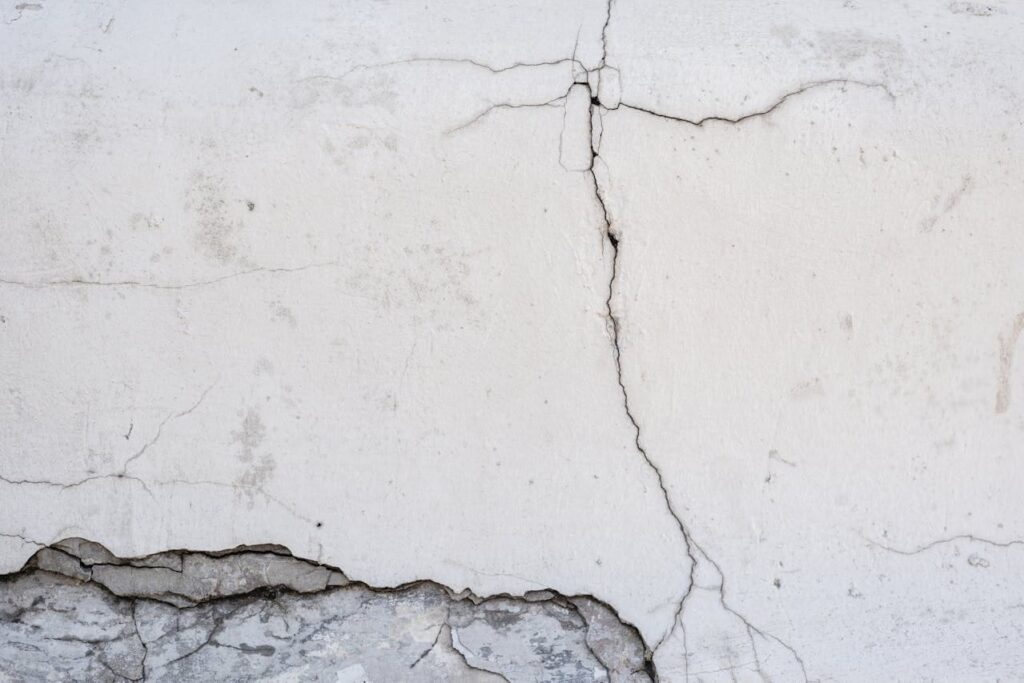
Understanding House Settlement
House settlement is a natural process that happens as a new structure adjusts to its environment. Think of it like a person wearing new shoes, there’s an adjustment period before everything fits just right. Your house goes through similar changes as building materials dry out, soil settles, and the structure finds its equilibrium.
When a new house is built, the foundation is placed on soil that hasn’t yet been compressed by the weight of the structure above it. Over months, this soil gradually compacts. Meanwhile, wood framing shrinks as it loses moisture, concrete cures and becomes harder, and drywall settles into place. All these processes happen simultaneously, causing tiny shifts throughout the house.
These shifts are usually minor and harmless. You might see hairline cracks in drywall, small gaps around door frames, or slight unevenness in floors. These signs don’t mean your house is falling apart, they’re just evidence that your new home is going through its natural adjustment phase.
What Causes New Houses to Settle
Settlement in new homes happens due to several interconnected factors. Understanding these causes helps you distinguish between normal and problematic movement.
Soil Compression and Foundation Movement
Your house’s foundation rests on soil that was likely disturbed during construction. This soil needs time to compact under the weight of the house. Unlike undisturbed soil that has been settling for centuries, freshly graded soil can compress significantly during the first one to two years. As it compacts, the foundation and everything above it shifts slightly.
This compression isn’t uniform across your property. Some areas may settle more than others depending on soil type, drainage, and how well the site was prepared. Clay soils compress more than sandy soils. Areas near downspouts or drainage pipes may settle differently than drier spots. These differential movements, where different parts of the house settle at different rates, cause cracks and gaps to appear.
Foundation settlement typically accounts for most of the movement you’ll see in the first year. After that, settlement usually slows significantly. You might see additional minor cracks appear during the second year, but the dramatic adjustments happen early.
Moisture and Material Shrinkage
Wood framing is one of the biggest sources of movement in new homes. When trees are freshly cut and milled, the lumber contains a lot of moisture. As it dries out in your climate, it shrinks. Wood shrinks more along the grain than across it, which means framing members can lose 1-2% of their thickness as they dry.
Drywall and plaster also shrink as they cure and lose water. Joint compound used to tape drywall shrinks significantly, which is why cracks often appear along seams and tape lines. These are almost always cosmetic issues that don’t affect your house’s structural integrity.
Concrete also shrinks as it cures. Your concrete slab foundation or concrete basement walls will shrink slightly, creating small cracks. Many concrete contractors actually score concrete slabs with control joints to direct where cracks will form, keeping them small and manageable rather than letting random cracks develop.
Temperature and humidity changes accelerate and worsen these effects. Winter heating dries out wood and drywall. Summer humidity can cause swelling. These seasonal changes mean you might see more cracking in winter than summer, or vice versa depending on your climate.
Normal vs. Concerning Cracks
Not all cracks are created equal. Some cracks are cosmetic nuisances, while others signal structural problems that need attention.
Types of Normal Cracks in New Homes
Hairline cracks in drywall are the most common settlement-related damage you’ll see. These are cracks thinner than 1/8 inch that appear in walls or around door and window frames. They follow the natural stress lines created by wood framing and usually run horizontally or vertically. These cracks don’t affect your home’s structure, they’re purely cosmetic issues that can be patched with spackling compound.
Cracks along drywall tape seams are also normal. The tape and joint compound shrink as they cure, creating cracks along the seams. You’ll often see these in bathrooms where humidity causes additional shrinkage. These can be re-taped and mudded as needed, and they become less noticeable as the drywall fully cures.
Small cracks in concrete slabs or basement walls are normal too. Concrete naturally shrinks as it cures and can develop hairline cracks. Wider cracks, up to 1/4 inch, are still generally acceptable in new homes. These don’t indicate structural failure: they’re part of normal concrete behavior.
Gaps around door and window frames are common and easily fixed. As framing settles, small gaps appear between the frame and the wall. Caulk or foam sealant fills these gaps and solves the problem. Minor gaps in flooring also fall into this category, they usually close back up as wood stabilizes with seasonal humidity changes.
Warning Signs of Structural Problems
While most cracks are harmless, some indicate real problems. Wide cracks wider than 1/4 inch in walls or ceilings need attention. Cracks that are wider at one end than the other suggest uneven settlement. Cracks in staircase steps, especially diagonal cracks, indicate the house is settling unevenly.
Cracks in your foundation are more serious. Small hairline cracks in the foundation are normal, but wider cracks, especially those that allow water infiltration, suggest problems. Look for cracks that run diagonally across block or concrete. Stair-step cracks in block or brick masonry often indicate structural movement and need professional evaluation.
Doors and windows that stick or won’t close properly can signal uneven settlement. If a door that worked fine suddenly requires force to open or close, the house frame is likely shifting. Bowing or leaning walls are definitely red flags. Visible separation between walls and ceilings or walls and floors suggests significant movement.
If you see multiple cracks in different areas of the house, especially if they’re getting wider rather than staying stable, get a structural engineer to evaluate. Water infiltration through cracks is also a sign of problems. Cracks that leak water need to be sealed and the water source addressed.
Here’s a quick reference table to help you assess what you’re seeing:
Timeline for House Settlement
Understanding the typical settlement timeline helps you know what to expect and when to worry.
The first three months after construction is when most dramatic movement happens. Your house goes from being exposed to the elements during framing to being sealed up with heating and air conditioning running. This rapid change in humidity causes significant drying. You might notice new cracks appearing almost weekly during this period. This is normal and expected.
Months three to twelve see continued but slower settlement. The soil beneath your foundation continues compacting, and materials continue drying. By month six, most of the major settling is complete. Cracks that appeared earlier usually stabilize. Any new cracks that develop are typically minor. By month twelve, settlement is largely complete, though very minor adjustments can continue.
Years two and beyond involve even less movement. Your house has mostly finished adjusting. You might notice a few new small cracks in the second year, particularly if you had a particularly dry or wet season that affected soil moisture. After two years, if new cracks are still appearing frequently or getting wider, this suggests a problem worth investigating.
Seasonal changes keep affecting your house even after settlement is complete. Winter heating and summer humidity create annual cycles of wood shrinkage and swelling. You might see existing cracks widen slightly in winter and narrow in summer. This is normal and doesn’t indicate ongoing structural problems.
How to Monitor Your New Home
Keeping track of cracks and movement helps you spot problems early. Here’s how to monitor your new house effectively:
Document everything from move-in day. Take photos of any cracks you see, including close-ups and wide shots showing the location. Write down the date and crack width if possible. A ruler or coin in the photo provides scale. This baseline helps you determine if cracks are stable or growing.
Measure crack width regularly. Use a crack monitor or simply place a piece of tape across the crack and mark both sides. Check it monthly for the first year. If the crack width stays the same, it’s stabilizing. If it’s growing, you have a problem. Most normal cracks stop growing after a few months.
Watch for patterns. Cracks that appear in the same locations year after year (like around windows in winter) indicate normal seasonal movement. Cracks that appear in new locations or continue spreading suggest settlement issues.
Check foundation areas closely. Look at your foundation walls and slab for cracks. Inspect corners and areas where walls meet the foundation. Check around basement windows and door openings. Take close photos of any cracks you find.
Monitor doors and windows. Close each door and window and check for stickiness or alignment problems. Mark any that stick and check monthly. As the house stabilizes, sticking usually improves. If it’s getting worse, the house is settling unevenly.
Key monitoring activities include:
- Checking cracks monthly for the first year
- Taking photos of new cracks
- Measuring crack widths
- Testing doors and windows
- Looking for water leaks around foundation
- Checking for gaps around frames and trim
- Inspecting basement or crawlspace carefully
Watch for water issues. Check your basement or crawlspace after heavy rain. Water seeping through cracks indicates you need to address the cracks and improve drainage around your house. This requires professional help.
When to Call a Professional
Most new house settling doesn’t require professional help. Minor cracks can be patched yourself. But certain situations require a structural engineer or foundation specialist.
Call a professional if cracks are wider than 1/4 inch and continuing to grow. Get an evaluation if you see diagonal or stair-step cracks in brick, block, or stone. Sticking doors or windows that keep getting worse warrant a professional visit. Foundation cracks that leak water need immediate attention, contact a foundation repair company. Visible bowing or leaning in walls requires urgent professional evaluation.
You should also call a professional if you notice multiple cracks across different areas of the house appearing in a short time period. If floors are noticeably uneven or sloping, this needs professional assessment. Cracks in stairs that form diagonal patterns indicate differential settlement and need evaluation.
When you do call someone, hire a structural engineer rather than a contractor. Engineers can assess the problem objectively without trying to sell you expensive repairs. Many engineers charge $500-$1,500 for an initial evaluation, which is worth it for peace of mind. After the engineer’s assessment, you can then contact repair specialists if needed.
Document your concerns before calling a professional. Have your photos ready, measurements recorded, and a clear timeline of when issues started. This information helps the engineer understand what’s happening and make accurate recommendations.
Frequently Asked Questions
Is it normal for a new house to settle and crack?
Yes, it’s completely normal for new houses to settle and crack during the first year or two. Houses naturally shift as materials adjust to humidity and temperature changes, soil compacts under the foundation, and wood framing dries out. Most cracks are cosmetic and harmless.
What causes cracks in new houses?
New house cracks result from multiple factors: soil compression under the foundation, wood framing shrinkage as moisture evaporates, concrete curing, and drywall settling. Differential settlement (uneven settling across the property) and seasonal humidity fluctuations also contribute significantly to crack development.
How can I tell if a crack in my new home is serious or normal?
Normal cracks are hairline thin (under 1/8 inch), typically cosmetic, and often appear along drywall seams or around frames. Serious cracks are wider than 1/4 inch, grow over time, run diagonally across walls, allow water infiltration, or cause doors and windows to stick. Measure regularly to monitor growth.
When should I call a professional about house settlement cracks?
Contact a structural engineer if cracks exceed 1/4 inch and continue growing, diagonal or stair-step cracks appear in masonry, doors/windows worsen over time, foundation cracks leak water, or walls show visible bowing. Engineers typically charge $500-$1,500 for initial evaluations and provide objective assessments.
How long does house settlement typically take?
Most dramatic settlement occurs in the first three months as materials adjust rapidly. By month six, major settling usually stabilizes. Years two and beyond show minimal movement. However, seasonal changes continue affecting your house annually through wood shrinkage and swelling cycles.
Can I repair settlement cracks myself or do I need professional help?
Minor cosmetic cracks like hairline drywall cracks can be patched with spackling compound yourself. Drywall seam cracks can be re-taped. However, wider cracks, foundation issues, water infiltration, or structural concerns require professional evaluation from a structural engineer before attempting repairs.
Read More: