

If you’ve ever tried to focus while traffic roars outside, or you’ve been interrupted by your neighbor’s loud music for the hundredth time, you know how frustrating noise can be.
A soundproofed room sounds like a luxury only studios and podcasters need, but the reality is more nuanced. Whether soundproofing is worth it depends on your specific situation, budget, and how much noise bothers you daily.
The answer isn’t one-size-fits-all. Some people see it as a life-changing investment, while others find simpler solutions work just fine. What matters is understanding both the costs and the real benefits you’ll gain.
The Real Cost Of Soundproofing
Material And Installation Expenses
Soundproofing costs vary widely based on room size, material quality, and whether you hire professionals. For a basic approach using acoustic panels and weatherstripping, you might spend $300 to $800. Adding mass-loaded vinyl and fiberglass insulation can push costs to $1,500 to $3,000. Professional installation of a complete system with new walls or ceiling treatments typically runs $5,000 to $15,000 or more.
Small bedrooms need less treatment than large living spaces or home studios. A 10×12 bedroom treated with mid-range materials costs significantly less than a full basement conversion. The room’s current condition also affects pricing, older homes with thin walls need more work than newer construction.
Labor costs depend on your location and contractor experience. Urban areas tend to charge more than rural regions. Some people handle installation themselves to save money, but improper installation reduces effectiveness.
Hidden Costs To Consider
Beyond materials and labor, you’ll face other expenses. HVAC systems may need modification to prevent sound travel through ducts, costing $500 to $2,000. If you add soundproofing after initial construction, you might need to repair walls or floors afterward. Acoustic doors cost more than standard doors, sometimes $300 to $800 extra per door.
Maintenance is another factor. Acoustic panels collect dust and need regular cleaning. Some materials degrade over time and require replacement. Factor in long-term costs when comparing options.
Financing matters too. Many people don’t have thousands in cash available, so installation becomes a decision about whether the value justifies the investment or financing charges.
Who Benefits Most From Soundproofing
Musicians And Content Creators
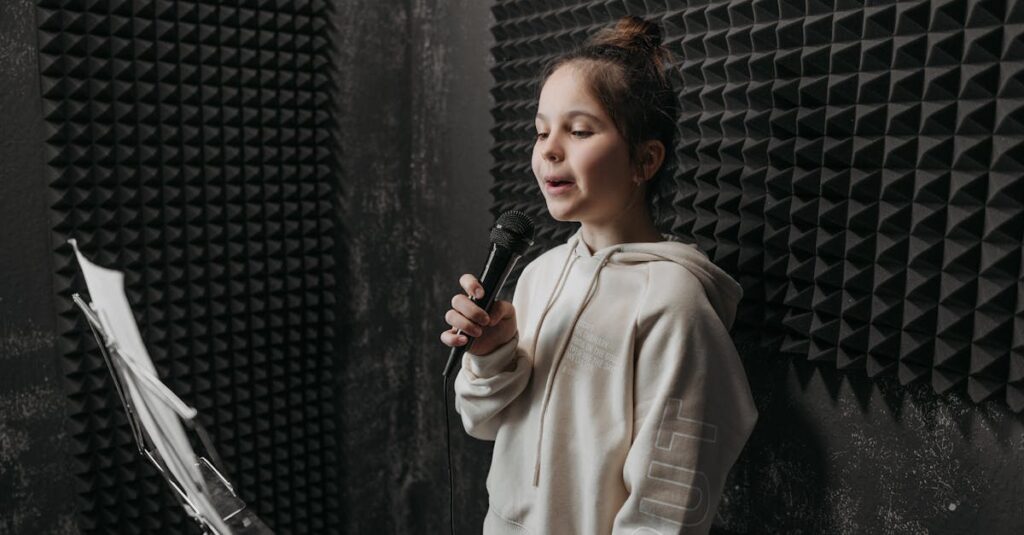
Musicians and podcasters see immediate returns from soundproofing. A vocalist needs isolation from external noise to produce clean recordings. Background noise ruins professional-quality audio, and fixing it in post-production takes time and money. A soundproofed space eliminates these problems at the source.
Content creators, whether making videos, streaming, or recording music, face constant pressure to sound professional. Neighbors, traffic, and household noise destroy productivity. Many have invested in soundproofing because it pays for itself through higher-quality output and client satisfaction. These professionals often view soundproofing as a business expense that protects their income.
Remote Workers And Students
Remote workers benefit from fewer distractions and better focus. If you take video calls, soundproofing ensures you sound clear and professional. Your employer and clients won’t hear background noise, improving your image.
Students use soundproofed rooms for concentration. If you live with others or near busy streets, sound isolation helps you study longer without disruption. Better focus often translates to better grades and learning outcomes.
Remote work has made this benefit more valuable. People spending 8+ hours a day in their home office need quiet space. Soundproofing isn’t a luxury for remote workers, it’s a productivity tool.
Home Noise Issues
If external noise disturbs your sleep or daily life, soundproofing addresses a real problem. Homes near highways, airports, or busy streets suffer constant noise exposure. Studies show chronic noise disrupts sleep and increases stress. For people in these situations, soundproofing delivers measurable health benefits.
Noise from neighbors affects apartment dwellers most. Upstairs footsteps, loud conversations, and music bleed through walls. Soundproofing your bedroom or living area creates a refuge. The value depends on how much the noise currently impacts your quality of life.
Key Advantages Of A Soundproofed Room
Improved Focus And Productivity
Distractions reduce productivity significantly. Studies show that constant noise makes concentration harder and mental tasks take longer. A soundproofed space eliminates these distractions, letting you focus on work or study. This benefit applies whether you’re working on a creative project, studying for exams, or handling important work tasks.
The improvement in focus leads to finished work faster. What might take three hours with noise interruptions could take two hours in a quiet space. For people paid hourly or working on tight deadlines, this efficiency gain has real financial value.
Creative work benefits most. Writers, designers, programmers, and musicians all report sharper thinking in quiet environments. Soundproofing removes the mental load of filtering background noise, freeing up mental energy for actual work.
Better Sleep Quality
Noise disrupts sleep stages, preventing deep, restorative rest. Waking from external sounds leaves you tired and irritable the next day. A soundproofed bedroom solves this problem directly. Better sleep improves mood, health, immune function, and cognitive performance.
Quality sleep has measurable health benefits. It supports heart health, mental health, and weight management. People sleeping in quiet environments spend more time in deep sleep phases where real recovery happens. For shift workers, parents, or anyone with sleep issues, soundproofing offers a non-medication solution.
The health benefits compound over time. Better sleep for weeks and months adds up to real improvements in energy, mood, and overall health. Many people report this single benefit justifies the investment.
Soundproofing Solutions For Different Budgets
Budget-Friendly Options
If you can’t afford major construction, start with low-cost solutions. Weatherstripping and door sweeps block noise entering through gaps. Cost is $20 to $100, and they work immediately. Heavy curtains absorb sound and cost $50 to $200. Acoustic panels designed for walls run $15 to $40 per panel.
You can also use furniture strategically. Bookcases, soft furniture, and wall hangings absorb sound naturally. This approach costs little beyond items you might buy anyway. Mass-loaded vinyl applied to walls before painting costs $100 to $300 for a bedroom but requires careful installation.
These solutions reduce noise by 5 to 10 decibels, noticeable but not complete isolation. They work best when combined with other methods.
Mid-Range Solutions
Mid-range approaches add real isolation without complete reconstruction. Adding fiberglass insulation to walls during renovation costs $500 to $1,500. Acoustic panels on walls and ceilings create a hybrid system for $1,000 to $2,500. Replacing doors with acoustic versions adds $300 to $800.
This tier provides 10 to 15 decibels of noise reduction, a significant improvement. Sound becomes much quieter, though very loud noise (jackhammers, sirens) still penetrates. Most remote workers and students find this level sufficient.
Mid-range solutions work well when you’re already doing renovations. Adding insulation during wall repairs costs less than adding it later.
Premium Investments
Full soundproofing uses multiple layers for maximum isolation. Double-wall construction, specialized insulation, acoustic drywall, and professional installation provide 20+ decibels of reduction. This approach essentially eliminates outside noise, a truly quiet room.
Premium systems cost $5,000 to $15,000+ but deliver professional-studio results. Musicians, podcasters, and people in extremely noisy areas justify this investment.
Here’s a quick comparison of common solutions:
| Method | Cost | Noise Reduction | Best For |
|---|---|---|---|
| Weatherstripping | $20-100 | 5 dB | Quick fixes |
| Acoustic panels | $300-800 | 7-10 dB | Renters |
| Wall insulation | $1,000-2,500 | 10-15 dB | Renovations |
| Full soundproofing | $5,000-15,000 | 20+ dB | Professionals |
Key points for choosing:
- Identify your biggest noise sources first
- Test budget options before committing to expensive work
- Consider whether you’ll stay in your home long enough to recoup costs
- Combine methods for better results
- Get multiple quotes from contractors
- Check whether your lease allows modifications if you rent
Frequently Asked Questions
Is soundproofing a room worth it for remote workers?
Yes, soundproofing is highly valuable for remote workers. It improves focus and productivity during video calls, ensures you sound professional to clients and employers, and eliminates background distractions during 8+ hour workdays at home. Better concentration often leads to faster task completion and higher work quality.
How much does it cost to soundproof a room?
Soundproofing costs range from $300–$800 for basic acoustic panels and weatherstripping, $1,500–$3,000 for mid-range insulation, and $5,000–$15,000+ for professional full-system installation. Costs vary by room size, material quality, location, and whether you hire professionals or DIY.
What are the best budget-friendly soundproofing solutions?
Low-cost options include weatherstripping ($20–$100), heavy curtains ($50–$200), acoustic panels ($15–$40 per panel), and strategic furniture placement. These reduce noise by 5–10 decibels and work best when combined. They’re ideal for renters or those unwilling to invest heavily upfront.
Can soundproofing improve sleep quality and health?
Yes, soundproofing significantly improves sleep by preventing noise disruptions that interrupt deep, restorative sleep stages. Better sleep improves mood, immunity, heart health, and cognitive performance. For people near highways, airports, or noisy neighborhoods, this health benefit often justifies the investment.
How much noise reduction does soundproofing actually provide?
Noise reduction depends on the method: budget solutions reduce noise 5–10 decibels, mid-range approaches provide 10–15 decibels, and premium full systems achieve 20+ decibels. While budget options noticeably quiet rooms, premium solutions essentially eliminate outside noise for professional-studio results.
Is soundproofing worth it for musicians and content creators?
Absolutely. Musicians and podcasters see immediate returns through clean recordings without background noise. Professional audio quality directly impacts client satisfaction and income, making soundproofing a business expense that often pays for itself quickly through higher-quality output and reduced post-production editing time.
Read More: