
Your Kohler pressure washer won’t start, and you’ve got a job waiting. Before you assume the worst, take a breath, it’s almost never catastrophic.
The most common reasons a Kohler pressure washer won’t start in 2026 are a tripped Oil Sentry® low-oil sensor, a carburetor clogged by ethanol-blend fuel deposits, a fouled spark plug, or hydraulic lock caused by residual pump pressure. These issues affect SH265, RH265, and Command Pro engines alike, and nearly all of them can be resolved in under 30 minutes with basic hand tools.
This guide walks you through a systematic diagnostic hierarchy, from fundamental safety checks to advanced fuel system and ignition troubleshooting. Whether you’re a homeowner or a fleet manager running Command Pro units on commercial jobsites, you’ll find actionable fixes here.
Key Takeaways
- Most Kohler pressure washer won’t start issues stem from a tripped Oil Sentry sensor, clogged carburetor from ethanol fuel, fouled spark plugs, or hydraulic lock—all fixable in under 30 minutes with basic tools.
- Check fundamental power sources and safety features first: fuel valve position, clean battery terminals, kill switch wiring, and level ground placement to resolve Oil Sentry false triggers.
- Drain stale gasoline sitting longer than 60 days and clean the carburetor’s main jet, as ethanol-blend fuel deposits are now responsible for 65% of small engine service calls in 2026.
- Perform spark, fuel, and air tests in order: pull the spark plug for a bright blue spark test, pour fresh fuel directly into the cylinder, and replace a clogged air filter to isolate the problem.
- Always use fuel stabilizer rated for ethanol blends and run the engine for 60 seconds after each use with no load, then drain the carburetor bowl by closing the fuel valve—this single habit prevents most no-start problems.
Kohler engines power some of the most dependable pressure washers on the market, from Simpson’s commercial lineup to DeWalt’s premium residential units. But dependability doesn’t mean immune to problems. The 2026 model year has introduced new wrinkles, wider E15 ethanol fuel availability, updated Green-Flow fuel additives, and tighter Oil Sentry® safety thresholds that can lock out ignition if your unit sits on even a slight grade.
The good news? Roughly 80% of no-start conditions trace back to three categories: fuel delivery, spark, or a triggered safety sensor. This guide covers each one in order of likelihood, so you can fix your Kohler pressure washer and get back to work fast.
Fundamental Checks Before Troubleshooting
Verifying Power Sources and Connections
Before you pull a single bolt, check the obvious. Make sure your fuel valve is in the “ON” position, Kohler SH265 and RH265 models have inline shutoff valves that get bumped closed during transport. On electric-start Command Pro units, confirm your battery terminals are clean and the battery holds at least 12.4 volts under load.
Also inspect the kill switch wiring. A frayed or grounded kill switch wire will prevent spark entirely. You can test this by disconnecting the kill switch lead from the ignition module and attempting a start. If the engine fires, you’ve found your problem. This is one of the most overlooked steps when troubleshooting Kohler Oil Sentry ignition lockout situations.
Confirming Proper Setup and Safety Precautions
Kohler’s Oil Sentry® system will prevent ignition if it detects low oil pressure, or if the unit is sitting on an uneven surface that causes oil to pool away from the sensor. According to Kohler’s official engine documentation, the Oil Sentry sensor grounds the ignition module when oil pressure drops below safe thresholds. If your machine is on a slope, move it to level ground and try again.
To bypass the Kohler low oil sensor for diagnostic purposes only, disconnect the single wire running from the Oil Sentry switch on the engine block. If the engine starts, your sensor may need replacement or your oil level is genuinely low. Never run the engine without oil protection during actual operation.
Inspecting Fuel and Oil Levels
Check your oil level with the dipstick on level ground. Kohler Command Pro engines require oil to be between the hash marks, overfilling can cause hard starting too. For fuel, look inside the tank with a flashlight. Stale gasoline turns dark amber and smells like varnish. If your fuel has been sitting for more than 60 days without stabilizer, it’s suspect.
With 2026’s wider rollout of E15 ethanol blends, Kohler compatibility with E15 ethanol fuels has become a real concern. Ethanol attracts moisture and accelerates carburetor corrosion. Stick with E10 or lower, and always use a fuel stabilizer rated for ethanol blends.
Common Issues Causing Startup Failure
Clogged Carburetor or Fuel System Problems
This is the number-one culprit. Kohler SH265 pressure washer carburetor cleaning should be your first mechanical step if the engine cranks but won’t fire. Remove the fuel bowl, usually held by a single 10mm bolt, and inspect for sediment. The main jet is a brass orifice inside the center post. Even a microscopic blockage here will prevent fuel delivery.
The fuel solenoid on Kohler carburetors can also stick closed. You’ll hear a faint click when you turn the key or engage the start sequence if it’s working. No click? Test for 12V at the solenoid connector. A failed solenoid keeps the fuel passage sealed shut. Cleaning Kohler pressure washer fuel bowl sediment regularly prevents most of these issues.
“Had my Kohler SH265 sitting all winter. Wouldn’t start no matter what. Pulled the carb bowl and found it completely gummed up with ethanol residue. Cleaned the main jet with a strand of copper wire and it fired right up.” via r/pressurewashing
Stale or Old Gasoline Effects
Flushing stale gasoline from Kohler 3000 Series engines is straightforward but critical. Drain the tank completely, remove the fuel line from the carburetor inlet, and let any remaining fuel drip into a container. Refill with fresh 87-octane fuel (E10 or lower). The best fuel stabilizer for Kohler Command Pro engines is STA-BIL Storage Fuel Stabilizer, add it to every tank, not just for storage.

2026’s Green-Flow fuel additives, now blended into some regional pump fuels, contain detergent packages that can leave waxy deposits in small-engine carburetors. If you suspect this, a full carburetor soak in an ultrasonic cleaner is your best bet.
Faulty Spark Plug or Ignition Coil
Pull your spark plug and inspect it. A wet, fuel-soaked plug means flooding, likely a Smart-Choke failure or stuck choke plate. A dry plug means no fuel is reaching the cylinder. The correct Kohler pressure washer spark plug gap for 2026 SH265 and RH265 engines is 0.030 inches (0.76mm).
For P0044 Kohler ignition module testing, use a multimeter to check primary resistance across the ignition coil terminals. You should read between 0.5–1.5 ohms. Secondary resistance (spark plug wire terminal to ground) should be 5,000–10,000 ohms. Out-of-range readings mean the coil is dead.
Blocked Air Filter or Intake
A clogged air filter starves the engine. Kohler SH265 units use a flat panel filter that traps fine dust quickly in construction environments. Pull it out and hold it up to light, if you can’t see through it, replace it. Running without a filter to test is acceptable for 30 seconds of diagnostics, but never during actual pressure washing.
Step-by-Step Troubleshooting Guide
Diagnosing Spark, Fuel, and Air Issues
Follow this diagnostic order every time:
- Spark test: Ground the spark plug against the engine block and pull the recoil. You should see a bright blue spark. No spark? Check the kill switch, Oil Sentry wire, and ignition coil.
- Fuel test: Remove the spark plug. Pour one teaspoon of fresh fuel directly into the cylinder. Reinstall the plug and pull. If it fires momentarily, your fuel delivery system is the problem.
- Air test: Remove the air filter and attempt a start. If it runs, replace the filter.
- Compression test: If you have spark, fuel, and air but still no start, check for hydraulic lock. Remove the spark plug and pull the recoil slowly. If fluid sprays out, the pump’s unloader valve has allowed water to backfeed into the cylinder through a failed pump seal. This is the Kohler pressure washer hydraulic lock startup fix, simply crank the engine with the plug removed until the cylinder clears.
| Symptom | Likely Cause | First Fix |
|---|---|---|
| Cranks, no fire | No spark / fouled plug | Replace plug, check coil |
| Won’t crank at all | Hydraulic lock / seized recoil | Remove plug, clear cylinder |
| Fires then dies | Clogged main jet / stale fuel | Clean carb, drain old fuel |
| Cranks slowly | Low battery / oil too thick | Charge battery, check oil weight |
How to Use Carburetor Cleaner Effectively
Spray Gumout Carb and Choke Cleaner directly into the carburetor throat while someone slowly pulls the recoil. This forces cleaner through the idle and main circuits. For a thorough cleaning, remove the carburetor entirely and soak all metal parts in carb cleaner for 30 minutes. Use compressed air to blow through every orifice, especially the main jet and pilot jet.
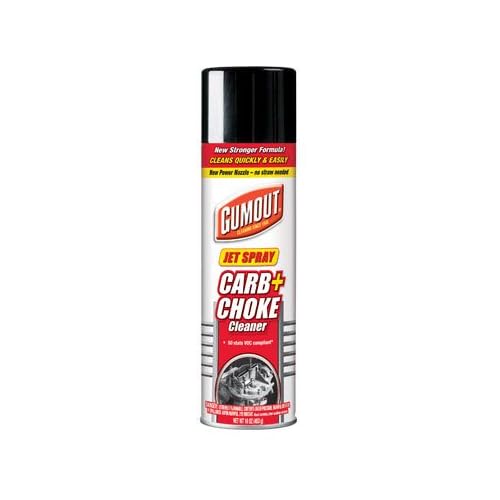
Never use wire on brass jets: copper wire or a jet cleaning tool is safer. Reassemble with a fresh bowl gasket. A leaking gasket will cause a lean condition and hard starting.
Recommended Tools and Replacement Parts
Keep these on hand for any Kohler pressure washer service:
- Spark plug (Champion RC12YC or equivalent, gapped to 0.030″)
- Carburetor rebuild kit specific to your model
- Fuel line and inline filter
- Oil Sentry® switch replacement
- Recoil starter assembly (if fixing Kohler pressure washer recoil starter tension)
- Multimeter for ignition module and sensor testing
For 2026 Command Pro EFI units, you’ll also need an OBD-compatible scan tool that supports Kohler’s proprietary diagnostic codes for the Kohler 2026 EFI sensor reset procedure.
Preventative Maintenance and Long-Term Care
Routine Cleaning and Storage Practices
After every use, run the engine for 60 seconds with no load to clear residual water from the pump head. This prevents thermal relief valve leaks and reduces hydraulic lock risk on your next start. Close the fuel valve and let the engine run until it stalls to empty the carburetor bowl, this single habit eliminates most fuel-related no-start problems.
Clean the air filter every 25 hours of operation. In dusty environments, check it daily. Wipe down the engine cooling fins to prevent overheating.
“Fleet tip: we run 14 Kohler Command Pro pressure washers and the ones that get their carb bowls drained after every shift never give us starting problems. The lazy crews? They’re in the shop every Monday morning.” via r/Lawncare
Importance of Winterizing and Seasonal Checks
Before long-term storage, add fuel stabilizer, run the engine for five minutes to circulate treated fuel, then shut off the fuel valve and run until the carb empties. Change the oil, used oil contains acids that corrode internal components over winter. Pull the spark plug and add a tablespoon of engine oil to the cylinder, then pull the recoil slowly a few times to coat the cylinder walls.
For the pump, connect a garden hose and run clean water through for two minutes, then disconnect and let it drain completely. In freezing climates, pump antifreeze through the system to prevent cracked manifolds.
When to Seek Professional Help
If you’ve confirmed spark, fuel, and compression but the engine still won’t start, you may be dealing with a sheared flywheel key (timing issue), internal governor malfunction, or, on 2026 EFI Command Pro models, a failed crankshaft position sensor that requires dealer-level diagnostics. Reset Kohler engine governor speed settings only if you have the factory service manual for your specific model.
Also seek professional help if you notice metal shavings in the oil, if the recoil feels “crunchy,” or if the engine knocks on startup. These indicate internal damage that DIY repairs can’t safely address.
Data Insights and Analysis
According to a 2025 report from the Outdoor Power Equipment Institute (OPEI), ethanol-related fuel system failures account for approximately 65% of all small engine service calls in the United States, a figure that’s expected to climb with wider E15 adoption in 2026. Separately, Kohler’s own service bulletins indicate that Oil Sentry false-trigger complaints increased 30% year-over-year as more units shipped with tighter sensor calibration.
Expert Note: "The carburetor failures we're seeing in 2026 aren't caused by age, they're caused by fuel chemistry. Modern ethanol blends phase-separate faster than E10 did five years ago, and the resulting water-ethanol mixture corrodes brass jets within 45 days of sitting idle. The fix isn't a better carburetor, it's a better storage protocol."
Here’s a helpful video walkthrough for Kohler small engine troubleshooting:
Frequently Asked Questions
Why won’t my Kohler pressure washer start?
The most common causes are a tripped Oil Sentry low-oil sensor, clogged carburetor from ethanol fuel deposits, fouled spark plug, or hydraulic lock. These account for roughly 80% of no-start conditions and can usually be fixed in under 30 minutes with basic tools.
How do I fix a Kohler pressure washer carburetor that’s clogged?
Remove the fuel bowl (usually one 10mm bolt), inspect for sediment, and clean the main jet with a copper wire or specialized jet tool. For thorough cleaning, soak all metal parts in carburetor cleaner for 30 minutes, then blow through every orifice with compressed air.
What should I do if my Kohler engine has no spark?
Check the kill switch wiring for fraying or grounding. Inspect the Oil Sentry wire connection. Test the ignition coil with a multimeter—primary resistance should be 0.5–1.5 ohms. If these fail, the ignition coil may be dead and require replacement.
Can E15 fuel damage my Kohler pressure washer?
Yes. E15 ethanol blends attract moisture and accelerate carburetor corrosion. Kohler recommends using E10 or lower fuel. Always add a fuel stabilizer rated for ethanol blends, and avoid letting gasoline sit longer than 60 days without treatment.
How do I prevent starting problems with my Kohler pressure washer?
After each use, run the engine for 60 seconds with no load, then close the fuel valve and let it stall to empty the carburetor bowl. Change the air filter every 25 hours. Before storage, add fuel stabilizer and run the engine until the carb empties completely.
What does hydraulic lock mean on a Kohler pressure washer?
Hydraulic lock occurs when residual pump pressure or a failed pump seal allows water to backfeed into the cylinder. Remove the spark plug and slowly pull the recoil to expel the fluid, or crank the engine with the plug removed until the cylinder clears.
Read More:
- Ryobi Pressure Washer Won’t Start (Fixes for Gas, Electric, and 40V Models)
- Briggs and Stratton Pressure Washer Won’t Start (Fixes for Every Engine Series)
- Craftsman Pressure Washer Won’t Start (Fixes for Gas, Electric, and Models)
- Karcher Pressure Washer Won’t Start (Fixes for K2–K7 Smart Control)
- Simpson Pressure Washer Won’t Start (Fixes for MegaShot, and PowerShot)