
You’re lying in bed, trying to sleep, and that familiar hiss of water won’t stop. Your toilet keeps running, and every second means wasted water swirling down the drain. That constant trickle isn’t just annoying, it’s expensive.
A running toilet wastes between 1 to 4 gallons of water per minute, adding $200 to $400 annually to your water bill, and the culprit is almost always a worn flapper valve, misadjusted float, or damaged flush valve seal inside your toilet tank. Most fixes take 10 to 20 minutes and cost under $20 in replacement parts from any hardware store.
This guide walks you through diagnosing and fixing every common cause of a running toilet. You’ll learn how to test your flapper with food coloring, adjust your float height, replace a fill valve diaphragm, and clean mineral buildup from the flush valve seat, all without calling a plumber.
Key Takeaways
- A running toilet wastes 1–4 gallons per minute and can cost $200–$400 annually, making it an urgent repair with high ROI in water bill savings.
- The flapper valve is the culprit in roughly 80% of running toilet cases, and can be replaced in under 10 minutes for $5–$12 without professional help.
- Test your flapper using the food coloring method: add drops to the tank, wait 15 minutes, and check if color appears in the bowl to confirm a leak.
- Most common fixes—adjusting float height, replacing the fill valve, or cleaning mineral buildup from the flush valve seat—cost under $25 and require only basic hand tools.
- Call a professional plumber only if the tank has visible cracks, bolts are rusted, water pools around the base, or a toilet still runs after replacing multiple internal components.
Why Your Toilet Keeps Running After Flushing
When you flush, your toilet follows a simple cycle: the flapper lifts, water drains from the tank into the bowl, the flapper reseats, and the fill valve refills the tank until it reaches the correct level. A toilet that keeps running after flushing means this cycle never completes.
The most common culprit? The flapper doesn’t seal properly against the flush valve seat, allowing continuous water flow from the tank into the bowl. Your fill valve keeps trying to replace that escaping water, creating an endless loop. You’ll hear that telltale hissing sound as fresh water constantly flows through the fill valve.
Sometimes the issue isn’t the flapper, it’s the water level itself. If your float is set too high, water spills directly into the overflow tube, which drains into the bowl. The fill valve senses the dropping water level and keeps refilling, but the water never stays in the tank long enough to trigger the shutoff.
Less commonly, a cracked overflow tube, worn fill valve diaphragm, or improperly positioned refill tube causes the same symptom. The good news? Nearly all these failures involve simple, inexpensive parts you can replace yourself in under half an hour.
How Much Water and Money a Running Toilet Wastes
A toilet with a steady leak wastes shocking volumes of water. According to the EPA’s WaterSense program, a running toilet can waste more than 200 gallons per day, that’s over 6,000 gallons per month from a single malfunctioning toilet.
2025 municipal water data shows the average U.S. household pays roughly $1.50 per 1,000 gallons of water and sewer combined. A toilet running at moderate flow (2 gallons per minute) dumps 2,880 gallons per day, adding about $130 per month to your bill. Even a slow leak at half a gallon per minute still costs you $32 monthly.
“My water bill jumped from $45 to $178 in one month. Turned out the flapper in my guest bathroom toilet was shot. Replaced it for $8 and the bill dropped back down.” via r/HomeImprovement
Beyond cost, continuous water flow stresses your municipal supply and wastes treated drinking water. In drought-prone regions, every gallon counts. Fixing a running toilet is one of the highest-ROI home repairs you can make, often paying for itself in the first month.
The 5 Most Common Causes of a Running Toilet
Faulty Flapper Valve
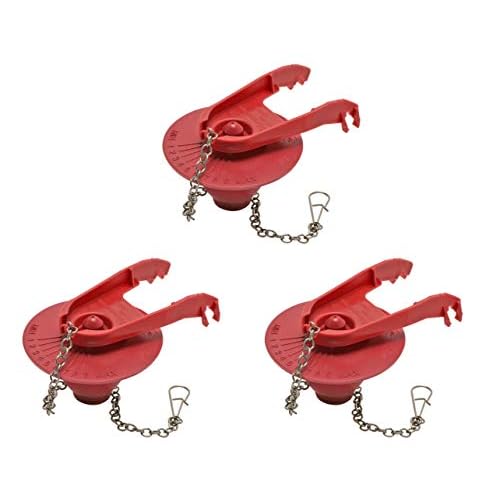
The flapper is a rubber seal at the bottom of your tank that lifts when you flush and drops to seal the flush valve opening. Over time, chlorine, minerals, and age cause the rubber to warp, crack, or become slimy. A warped flapper can’t create a watertight seal, so water continuously leaks into the bowl.
You can test your flapper with a simple food coloring test: drop a few drops of food coloring into the tank (don’t flush), wait 15 minutes, then check the bowl. If color appears in the bowl, your flapper leaks. Flappers cost $5 to $12 and snap onto the flush valve posts, no tools required. Popular replacements include the Fluidmaster 502 universal flapper and Korky models.
Even if the flapper looks intact, mineral buildup or algae on its underside can prevent a tight seal. Wipe the flapper and flush valve seat with a rag: sometimes a quick cleaning solves the problem. If the rubber feels stiff or shows visible cracks, replace it.
Misadjusted Float or Fill Valve
Your float tells the fill valve when to stop refilling the tank. If the float is set too high, water rises above the top of the overflow tube and drains continuously into the bowl. The fill valve never shuts off because the water level never reaches the target.
Older toilets use a ball-cock float (a hollow ball on a metal arm). Bend the arm downward slightly to lower the water level. Newer toilets use a fill valve with a clip-on float cup that slides up and down a vertical shaft. Pinch the adjustment clip and slide the float down so the water line sits about one inch below the overflow tube’s top.
Sometimes the fill valve itself wears out. Internal seals and diaphragms degrade, causing slow leaks or failure to shut off. The Fluidmaster 400A fill valve is a universal replacement that fits most toilets and includes height and flow adjustments.

Damaged Overflow Tube
The overflow tube is a vertical pipe in the center of your tank. It prevents flooding by channeling excess water into the bowl if the fill valve fails. Cracks or breaks in the tube let water leak directly into the bowl, bypassing the flapper entirely.
Inspect the tube for visible cracks, especially near the base where it connects to the flush valve. If you see damage, you’ll need to replace the entire flush valve assembly (the tube is integrated). This repair is more involved but still DIY-friendly with a wrench and about 45 minutes.
Leaking Flush Valve Seal
The flush valve is the large plastic assembly at the tank’s bottom that holds the flapper and overflow tube. A rubber gasket seals the connection between the tank and the bowl. If this gasket deteriorates or the valve seat accumulates mineral deposits, water seeps past the seal and into the bowl.
Turn off the water supply, flush to empty the tank, then feel around the flush valve opening for slime, rust, or chalky buildup. Use fine-grit sandpaper or a scrubbing pad to clean the valve seat. If the gasket is compressed or cracked, you’ll need to unbolt the tank and replace the flush valve gasket or the entire assembly.
Refill Tube Problems
The refill tube is a small, flexible hose that runs from the fill valve to the overflow tube. It refills the bowl after a flush. If this tube is positioned incorrectly, pointing into the tank instead of clipped inside the overflow tube, water sprays into the tank, raising the level above the overflow and causing continuous drainage.
Check that the refill tube is securely clipped to the overflow tube and that its end sits above the water line inside the tube. Reposition it if needed: no parts or tools required.
How to Diagnose Which Part Is Causing Your Toilet to Run
Start with the food coloring flapper test: add a few drops of food coloring to the tank without flushing, wait 15 minutes, and check the bowl. Color in the bowl means the flapper or flush valve seat leaks. No color? Move to the next test.
Lift the tank lid and watch the water level. If water flows over the top of the overflow tube, your float is set too high or your fill valve won’t shut off. Lower the float or replace the fill valve. If the water level stays below the overflow tube but you still hear running water, the fill valve itself is leaking internally.
Next, listen carefully. A hissing sound from the fill valve means water is flowing through it constantly, either the float needs adjustment or the valve diaphragm is worn. A gurgling or trickling sound in the bowl points to a flapper or flush valve seat leak.
Expert Note: The flapper accounts for roughly 80% of running toilet cases in residential service calls. Water chemistry, especially high chlorine or mineral content, accelerates rubber degradation. Flappers in homes with well water or heavily chlorinated municipal supplies often fail within 2 to 3 years instead of the typical 5.
Finally, inspect the chain connecting the flush handle to the flapper. Too much slack causes the flapper to close at an angle: too much tension holds it partially open. Adjust the chain so it has about half an inch of slack when the flapper is seated.
Step-by-Step Fixes for a Running Toilet
Fix 1: Replace the Flapper
- Turn off the water supply valve (usually on the wall behind the toilet).
- Flush to drain the tank.
- Unhook the old flapper from the flush valve posts and disconnect the chain.
- Snap the new flapper onto the posts and attach the chain with minimal slack.
- Turn the water back on, let the tank refill, and test.
Fix 2: Adjust the Float Height
- Ball-cock float: Gently bend the metal arm downward to lower the water level.
- Float cup: Pinch the adjustment clip, slide the cup down the fill valve shaft, and release. Aim for a water line one inch below the overflow tube.
Fix 3: Replace the Fill Valve
- Turn off water and flush the tank.
- Disconnect the supply line from the bottom of the tank.
- Unscrew the fill valve lock nut (hand-tighten or use pliers) and lift out the old valve.
- Insert the new valve (like the Fluidmaster 400A), adjust height, and tighten the lock nut.
- Reconnect the supply line, attach the refill tube to the overflow tube, turn on water, and adjust the float.
Fix 4: Clean or Replace the Flush Valve Seat
- Turn off water, flush, and sponge out remaining water.
- Lift the flapper and inspect the valve seat for buildup.
- Scrub with fine sandpaper or a ScotchBrite pad.
- If cleaning doesn’t help, unbolt the tank, replace the flush valve gasket or entire assembly, and reassemble.
“I spent 10 minutes cleaning the valve seat with sandpaper and that fixed a leak I thought needed a whole new flush valve. Saved $30 and a trip to the hardware store.” via r/DIY
Watch this quick video walkthrough for visual guidance:
For a complete fix kit that includes flapper, fill valve, and all gaskets, consider the Fluidmaster Complete Toilet Repair Kit. It’s the ultimate hardware workaround for aging toilets and includes everything you need to rebuild the entire flush system in one purchase.

When to Call a Professional Plumber
Most running toilet fixes are straightforward DIY projects. But call a licensed plumber if:
- The tank bolts are rusted or stripped and you can’t remove them without cracking the porcelain.
- You see cracks in the tank or bowl, these require full fixture replacement.
- Water pools around the base of the toilet, this signals a failed wax ring or flange, not a tank issue.
- You’ve replaced the flapper, fill valve, and flush valve, but the toilet still runs, there may be a hidden crack or unusual valve configuration.
According to Family Handyman, professional toilet repairs typically cost $150 to $300, while a full tank-and-bowl replacement runs $200 to $500 in parts and labor. DIY repairs usually cost under $25 and pay for themselves in the first month of water savings.
If you’re uncomfortable working with water supply lines or if your toilet uses an older, non-standard flush mechanism (like a pressure-assist system), a plumber can diagnose and fix the issue quickly. But for standard gravity-flush toilets, you can handle nearly every running-toilet scenario with basic hand tools and $20 in parts.
Frequently Asked Questions
What causes a toilet to keep running after flushing?
A running toilet is usually caused by a worn flapper valve that doesn’t seal properly, allowing water to leak into the bowl. Other common causes include a misadjusted float, damaged flush valve seal, or cracked overflow tube. The flapper accounts for about 80% of running toilet cases.
How much water does a toilet keep running waste per day?
A running toilet wastes between 1 to 4 gallons per minute. According to the EPA, a toilet with a steady leak can waste over 200 gallons per day, or 6,000+ gallons monthly. At moderate flow (2 gallons/minute), this adds roughly $130 per month to your water bill.
How do I test if my toilet flapper is leaking?
Use the food coloring test: drop a few drops of food coloring into the tank without flushing, wait 15 minutes, then check the bowl. If color appears in the bowl, your flapper leaks and needs replacement. This simple test takes just 15 minutes.
Can I fix a running toilet myself without calling a plumber?
Yes, most running toilet fixes are DIY-friendly and cost under $25 in parts. Common fixes include replacing the flapper ($5–$12), adjusting the float height, or replacing the fill valve. Most repairs take 10–45 minutes with basic hand tools.
How often do toilet flappers need to be replaced?
Toilet flappers typically last 5 years in standard conditions, but deteriorate faster in homes with high chlorine or mineral content. Flappers in heavily chlorinated or well-water areas may fail within 2–3 years as chlorine and minerals cause rubber to warp and crack.
What should I do if adjusting the float doesn’t stop my toilet from running?
If float adjustment doesn’t work, test the flapper with food coloring. If that’s not the issue, inspect the overflow tube for cracks and the flush valve seat for mineral buildup. Clean the valve seat with fine sandpaper, or replace the fill valve if it’s worn. If problems persist after replacing key parts, call a plumber.
Read More: