
You press the flush lever and instead of the usual quiet swirl, you hear a deep glug-glug-glug echoing from your toilet bowl or nearby drains. That unsettling air-sucking sound isn’t normal.
When your toilet makes a gurgling noise after flushing, it signals that air is being pulled through the water seal in your trapway due to negative pressure caused by a partial blockage in your drain line, a clogged roof vent stack restricting airflow, or a restriction in the main sewer line preventing proper drainage and venting balance.
Left unchecked, this drainage system imbalance can escalate from annoying bubbles to full sewage backups. This guide walks you through the diagnostic steps, from closet auger clog removal to vent stack inspection, so you can eliminate suction noises and restore proper drain line airflow before a costly emergency develops.

Key Takeaways
- A toilet making gurgling noise after flushing indicates negative air pressure in your drain system caused by blockages in the drain line, vent stack, or main sewer line disrupting proper airflow.
- Diagnose the source by checking whether only the toilet gurgles or if multiple fixtures (sinks, showers, tubs) bubble simultaneously—isolated gurgling suggests a partial blockage in the toilet trapway, while widespread gurgling points to vent stack or main sewer line issues.
- Clear minor toilet clogs using a closet auger and inspect your roof vent stack for debris, leaves, or bird nests; removing obstructions from the vent pipe often resolves gurgling immediately.
- Call a professional plumber if DIY methods fail within 24 hours, you notice sewage backups, toilets overflow without flushing, or persistent sewer gas odors occur—these signs indicate deep blockages requiring motorized snakes or hydro-jetting equipment.
- Prevent future gurgling by educating household members to flush only human waste and toilet paper, scheduling annual vent stack inspections, maintaining floor drain traps with quarterly water refills, and inspecting main sewer lines every 3–5 years in homes over 30 years old.
Why Do Toilets Make Gurgling Sounds?
Gurgling noises aren’t random. They’re your plumbing system crying for help. When you flush, water exits the bowl through the trapway into the drain line. Simultaneously, air must enter the system to replace the displaced water. Normally, this air enters silently through your roof-mounted plumbing vent stack.
When something blocks that air pathway, whether it’s a partial clog downstream, a debris-filled vent pipe, or a restriction in your main sewer line, the system compensates by pulling air from wherever it can. That’s when you hear bubbling or deep glug-glug sounds as air is forcefully drawn through the water seal in your toilet bowl or nearby sink traps.
This negative air pressure phenomenon doesn’t just create noise. It can siphon water from your toilet trapway, lower water levels, allow sewer gas odors to seep into your home, and signal that your drainage system is one step away from a complete backup.
How Your Toilet and Drain System Works
Your toilet connects to a vertical drain pipe called a soil stack. After you flush, wastewater flows down through the trapway, into the drain line, and toward your main sewer line or septic tank. The water seal in your trapway prevents sewer gases from entering your living space.
Meanwhile, the vent stack, a pipe extending through your roof, allows atmospheric air to enter the drain system. This airflow equalizes pressure, letting water flow smoothly without creating suction. Think of it like pouring water from a bottle: without an air hole, water glugs out slowly. With proper venting, it flows freely.
When your drain line, vent stack, or main sewer line develops a blockage, that balanced airflow collapses. Your toilet trapway becomes a vacuum relief valve, sucking air through the water seal and producing the gurgling sound you’re hearing. Understanding this relationship between drainage and venting is the foundation of every diagnostic step that follows.
Most Common Causes of Toilet Gurgling Noises
Three primary culprits cause most toilet gurgling incidents. Identifying which one applies to your situation determines whether you need a closet auger, a ladder, or a professional sewer line inspection.
Partial Blockage in the Toilet or Drain Line
A partial clog in your toilet’s trapway or the drain line immediately downstream restricts water flow. As water tries to push past the obstruction, it creates a vacuum behind it. Air gets pulled through the toilet bowl’s water seal, producing bubbles and gurgling sounds.
Common causes include excessive toilet paper, sanitary products, wet wipes (even “flushable” ones don’t break down), and foreign objects dropped by children. You might notice the toilet still flushes, but slowly, and the water level drops after the gurgling stops. This is classic partial blockage behavior.
Blocked or Clogged Vent Stack
Your roof vent stack is exposed to the elements year-round. Leaves, bird nests, ice dams, and debris can accumulate inside the vent pipe opening, restricting or completely blocking airflow. When air can’t enter from above, your drain system pulls it from below, through your toilet’s water seal.
Blocked roof plumbing vent stack suction noise is especially common after storms, in fall when leaves accumulate, or during winter freezes. You might hear gurgling not just from the toilet but also from nearby sinks or showers when you flush, because all fixtures share the same vent stack.
Main Sewer Line Issues
If the blockage sits further downstream in your main sewer line, the large pipe carrying all household wastewater to the municipal sewer or septic tank, multiple fixtures can exhibit symptoms simultaneously. You might notice your toilet gurgles, shower drain bubbles after flush, or sinks drain slowly across different bathrooms.
Main sewer line blockage partial restriction symptoms often start subtly: occasional gurgling, intermittent slow drains, or faint sewer gas smells. Tree root intrusion, collapsed pipe sections, and grease buildup are frequent causes. According to Family Handyman’s drain troubleshooting resources, most main line issues escalate gradually before total failure.
“Toilet was gurgling for three days. Thought it was just air. Then the basement floor drain backed up. Tree roots had cracked the main line six feet from the house.” via r/HomeImprovement
How to Diagnose the Problem Yourself
Before you grab tools or call a plumber, run these simple tests to pinpoint the source. Start by flushing your toilet and listening carefully. Does the gurgling come from the toilet bowl itself, or do you hear bubbling from the bathtub drain, shower, or nearby sink?
If only the toilet gurgles and other fixtures drain normally, the blockage is likely isolated to that toilet’s trapway or the drain line within a few feet. If multiple fixtures gurgle or drain slowly, suspect a shared vent stack blockage or main sewer line restriction.
Next, check your toilet’s water level an hour after flushing. If the water level drops significantly, air is being siphoned through the trapway due to negative air pressure, classic vent or downstream blockage behavior. Also, sniff for sewer gas odors near floor drains or in bathrooms. Sewer gas smell toilet gurgling drain fix scenarios often indicate a compromised vent system.
Finally, go outside during daylight and visually inspect your roof vent stack opening if it’s safely accessible. Look for visible debris, leaves, or bird nests blocking the pipe. If you can’t safely reach the roof, note whether the gurgling worsens after heavy rain or wind, conditions that often push debris into vent openings.
DIY Fixes for a Gurgling Toilet
Once you’ve identified the likely cause, these step-by-step methods will help you restore proper drainage and venting without calling a pro, assuming the blockage is accessible and not deep in the main sewer line.
Clearing Minor Toilet Clogs
Start with a closet auger, the specialized tool designed for toilet trapway obstructions. Insert the auger’s curved end into the bowl, crank the handle clockwise, and feed the cable through the trapway. When you hit resistance, rotate and push to break up or snag the clog.
Pull the auger back slowly. You might retrieve toilet paper wads, hygiene products, or small toys. Flush several times to confirm smooth drainage and listen for gurgling. If the sound persists, the blockage sits further downstream.
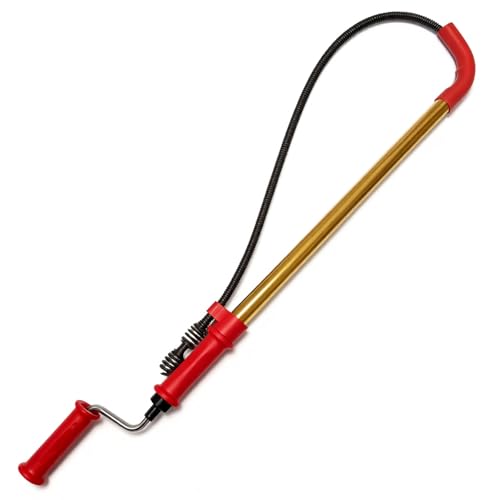
For tougher clogs, consider the RIDGID K-6 Toilet Auger, a professional-grade closet auger with a 6-foot cable and protective rubber sleeve to prevent bowl scratching.
Inspecting and Clearing the Vent Stack
If the closet auger doesn’t solve the gurgling, climb onto your roof (only if you’re comfortable and conditions are safe). Locate the vent stack pipe, a vertical PVC or metal pipe extending above the roofline, usually 3–4 inches in diameter.
Shine a flashlight down the opening. Remove visible leaves, twigs, or debris by hand or with a plumber’s snake. For ice blockages in winter, carefully pour warm (not boiling) water down the vent to melt obstructions. Never use excessive force or hammering, which can crack PVC vent pipes.
After clearing, return inside and flush all toilets. Gurgling should stop immediately if the vent was the culprit. For ongoing vent protection, install a Oatey Vent Pipe Cap with Screen to prevent future debris accumulation while maintaining airflow.
“Found a bird’s nest completely blocking my vent stack. Pulled it out, flushed the toilet, and the gurgling stopped instantly. Wish I’d checked the roof first instead of snaking the drain for an hour.” via r/Plumbing
When to Call a Professional Plumber
Some gurgling situations exceed DIY capacity. If your closet auger and vent stack inspection don’t resolve the problem, or if multiple fixtures across your home gurgle simultaneously, the blockage likely sits deep in your main sewer line or involves structural pipe damage.
Call a licensed plumber immediately if you notice sewage backing up into bathtubs, toilets overflowing without flushing, persistent sewer gas odors throughout the house, or gurgling accompanied by water pooling around floor drains. These symptoms indicate imminent system failure.
Professionals use motorized drain snakes, hydro-jetting equipment, and sewer camera inspections to locate and clear blockages 50–100 feet from your home. They can also identify tree root intrusions, collapsed pipes, and bellied drain lines that require excavation or trenchless pipe repair.
According to This Old House’s residential plumbing troubleshooting resources, main sewer line service calls have increased 28% since 2024 due to aging infrastructure and root intrusion in older neighborhoods. Don’t delay professional help if DIY methods fail within 24 hours.
How to Prevent Future Gurgling Noises
Prevention beats emergency repairs every time. Start by educating everyone in your household about what can and can’t be flushed. Only human waste and toilet paper belong in the toilet. Wet wipes, cotton swabs, dental floss, and hygiene products all contribute to toilet closet auger partial drain clog removal scenarios.
Schedule annual vent stack inspections, especially if you live in areas with heavy fall foliage or frequent storms. Clear gutters and trim overhanging tree branches to reduce debris landing near vent openings. Install vent caps with mesh screens to block leaves while maintaining airflow.
Consider a professional main sewer line camera inspection every 3–5 years if your home is over 30 years old or has mature trees near the sewer lateral. Early detection of root intrusion or pipe deterioration prevents catastrophic backups.
Finally, pour a gallon of water down infrequently used floor drains quarterly to maintain their water seals. Dried-out traps allow air bubbles trapped in toilet bowl trapway scenarios and cross-contamination between fixtures.
Comparison of Gurgling Causes and Solutions:
| Cause | Symptoms | DIY Solution | Professional Needed? |
|---|---|---|---|
| Toilet trapway clog | Single toilet gurgles, slow flush | Closet auger | No |
| Blocked vent stack | Multiple fixtures gurgle, water level drops | Clear roof vent debris | Rarely |
| Main sewer line blockage | Whole-house slow drains, sewage odor | None | Yes |
| Dried floor drain trap | Intermittent gurgling, sewer gas smell | Refill trap with water | No |
Frequently Asked Questions
What causes a toilet to make a gurgling noise after flushing?
Toilet gurgling after flushing occurs when air is pulled through the water seal in your trapway due to negative pressure. Common causes include partial blockages in the drain line, clogged roof vent stacks restricting airflow, or restrictions in the main sewer line preventing proper drainage and venting balance.
How can I tell if the gurgling is from a toilet trapway clog versus a vent stack blockage?
If only your toilet gurgles and other fixtures drain normally, the blockage is likely in the toilet’s trapway. If multiple fixtures gurgle or drain slowly, suspect a shared vent stack blockage or main sewer line issue. Check if water level drops significantly after flushing—this indicates negative air pressure from vent or downstream blockage.
Can I fix a gurgling toilet myself with a closet auger?
Yes, a closet auger is designed specifically for toilet trapway clogs. Insert the curved end into the bowl, crank clockwise to feed the cable through the trapway, and pull back slowly when you hit resistance. Flush several times to confirm drainage. If gurgling persists, the blockage is likely further downstream or in the main sewer line.
What should I do if I suspect my roof vent stack is blocked?
Safely climb your roof and locate the vent stack—a vertical PVC or metal pipe, usually 3–4 inches in diameter. Shine a flashlight down and remove visible leaves, debris, or bird nests by hand. For ice blockages, pour warm water down the vent. Flush toilets afterward; gurgling should stop immediately if the vent was the problem.
When should I call a professional plumber for toilet gurgling?
Call a plumber immediately if DIY methods don’t resolve gurgling within 24 hours, multiple fixtures across your home gurgle simultaneously, sewage backs up into fixtures, or you notice persistent sewer gas odors. These symptoms indicate blockages in the main sewer line or structural pipe damage beyond DIY repair.
How can I prevent future toilet gurgling noises?
Only flush human waste and toilet paper—avoid wipes, cotton swabs, and hygiene products. Schedule annual vent stack inspections, clear gutters, and trim tree branches near vent openings. Install vent caps with mesh screens. For homes over 30 years old or with mature trees nearby, get professional sewer camera inspections every 3–5 years.
Read More:
- Toilet Makes Hissing Noise Randomly (Here’s Why and How to Fix It)
- Toilet Makes Noise When Flushing (Here’s the Expert Solutions)
- Toilet Makes Whistling Sound (Here’s Why and How to Fix It)
- Pipes Making Loud Noise After Flushing Toilet (Causes and Quick Fixes)
- Toilet Making Noise Every Few Minutes (Causes and Here’s What to Do)