
You’ve plunged aggressively for five minutes straight. The water’s still rising. Your panic’s climbing with it, because your standard plunger just isn’t cutting through that stubborn blockage.
When plunging toilet not working, the problem usually stems from using the wrong plunger type (flat cup vs. flange), improper technique (breaking the water seal), or a deep clog beyond the trap that requires a toilet auger, hot water with dish soap, or professional drain clearing with a plumber’s snake to resolve safely.
Before water spills over the rim, you need immediate damage control and proven alternatives. This guide walks you through emergency shutoff procedures, proper plunging physics, and powerful backup methods that clear even the toughest clogs without flooding your bathroom floor.

Key Takeaways
- A plunging toilet not working is often caused by using a flat cup sink plunger instead of a flange plunger, which is specifically designed to create an airtight seal around the toilet bowl drain.
- Proper plunging technique relies on slow, controlled push-pull motions that maintain the water seal and build hydraulic pressure—fast, jerky movements reduce effectiveness and can cause damage.
- When plunging fails, try alternative methods like a toilet auger for deep clogs, hot water with dish soap for organic blockages, or baking soda and vinegar for minor obstructions.
- Multiple fixtures backing up simultaneously or gurgling sounds throughout your home indicate a main sewer line problem requiring professional plumber intervention rather than DIY solutions.
- Only flush toilet paper and human waste—non-flushable items like wet wipes, paper towels, and hygiene products cause approximately 85% of residential toilet clogs and should go in a waste bin instead.
- Keep a quality flange plunger and toilet auger easily accessible to resolve most clogs quickly, and schedule annual professional drain inspections if you have mature trees near your sewer line.
Why Your Plunger Isn’t Working
Using the Wrong Type of Plunger
Most bathrooms stock a flat cup plunger designed for sinks, not toilets. You need a flange plunger (also called a toilet plunger) with an extended rubber sleeve that folds out from the bottom. That sleeve creates an airtight seal around the curved toilet bowl drain opening.
A flat cup plunger can’t form that critical water seal in a toilet’s outlet. Without the seal, you’re just splashing water around instead of building hydraulic pressure to break up the blockage. The flange design directs suction force directly into the trap and drainpipe.
According to a 2025 HomeAdvisor survey on DIY plumbing, 62% of homeowners unknowingly use sink plungers on toilets, which explains why so many people struggle with basic clogs. Switching to a quality flange plunger from Amazon immediately improves your clearing success rate.

Incorrect Plunging Technique
Even with the right tool, poor technique sabotages your efforts. Most people yank the plunger up too fast, breaking the water seal and killing the suction. The secret lies in steady, controlled push-pull motions that maintain constant contact with the drain opening.
You also need enough water in the bowl to cover the plunger cup completely. Too little water means you’re compressing air instead of forcing water through the clog. Too much water risks overflow. Aim for a water level just above the plunger’s rubber cup before you start.
“I was pulling up hard thinking I’d suck the clog out. Turns out you need slow, deliberate pushes to build pressure. Changed everything.” via r/HomeImprovement
The physics here involve Pascal’s principle: pressure applied to confined liquid transmits equally in all directions. Fast, jerky movements scatter that pressure. Smooth, firm strokes concentrate hydraulic force directly at the obstruction.
The Clog Is Too Deep or Severe
Some blockages sit beyond the toilet’s trap bend, deep in the drainpipe where plunger pressure can’t reach effectively. Hard objects (toys, sanitary products, dental floss balls) wedge into pipe joints. Excessive toilet paper or wet wipes compress into dense masses that require mechanical removal.
Main sewer line problems also mimic toilet clogs. If multiple fixtures back up simultaneously or you notice gurgling sounds from other drains when you flush, the obstruction likely sits in your home’s main drain line rather than the toilet itself.
A 2026 plumbing industry report from PHCC found that 34% of stubborn toilet clogs involve non-flushable items lodged past the trap, requiring professional extraction tools. Knowing your plunger’s limits saves you hours of futile effort and potential toilet damage from over-plunging.
Proper Plunging Technique
First, stop any incoming water immediately. Lift the toilet tank lid and push down the flapper valve (the rubber stopper at the tank bottom) to halt the fill cycle. If water’s already dangerously high, locate the angle stop valve on the wall behind the toilet, usually a football-shaped knob, and turn it clockwise until tight.
Insert your flange plunger into the bowl at an angle to minimize trapped air under the cup. Position it directly over the drain opening and press down slowly until the flange sleeve fully enters the hole and the cup forms a complete seal against the porcelain.
Execute 15-20 firm, rhythmic plunges using this pattern:
- Push down steadily for 2 seconds, compressing water into the clog
- Pull up slowly for 2 seconds, maintaining the seal to create suction
- Keep the plunger submerged throughout the entire sequence
- Increase force gradually if the blockage resists
After your plunge cycle, quickly yank the plunger free to create a final suction burst. Watch the water level. If it drops rapidly with a gurgling sound, you’ve broken through. If it stays high or drains sluggishly, repeat the process twice more before moving to alternative methods.
Expert Note: "Effective plunging isn't about strength, it's about creating a pressure differential. The pull stroke matters as much as the push. You're essentially creating a hydraulic ram effect that chips away at the obstruction from both directions," explains Master Plumber certification training materials.
Test your success by flushing once. If the bowl refills without draining, don’t flush again, you’ll cause an overflow. Proceed immediately to alternative clearing methods.
Alternative Methods When Plunging Fails
Using a Toilet Auger or Drain Snake
A toilet closet auger (also called a plumber’s snake) reaches clogs 3-6 feet deep that plungers can’t touch. This specialized tool features a protective rubber sleeve that prevents the metal cable from scratching your porcelain bowl during operation.
To use it safely, insert the auger’s curved end into the toilet drain opening with the handle mechanism positioned outside the bowl. Crank the handle clockwise while applying gentle forward pressure. You’ll feel resistance when the cable tip hits the obstruction.
Continue cranking to either break up the clog or hook onto it for extraction. Once you’ve engaged the blockage, slowly retract the cable while maintaining rotational motion. The RIDGID K-6 Toilet Auger from Amazon features a 6-foot reach that handles most residential toilet clogs without damaging fixtures.
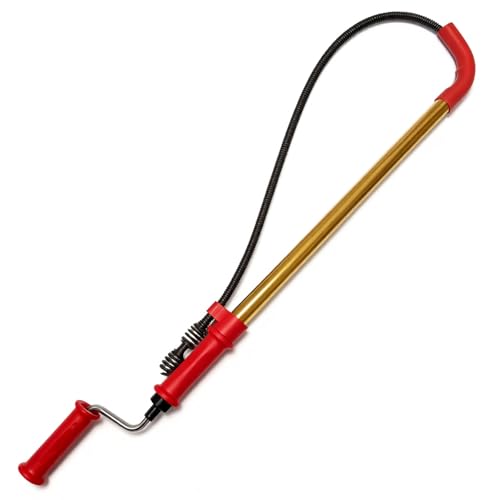
“The auger pulled out a compressed wad of wet wipes my kids flushed. Plunger had zero chance against that. Worth every penny.” via r/Plumbing
Never force the cable. Excessive pressure can crack older porcelain toilets or damage the wax ring seal between the toilet and floor flange.
Applying Hot Water and Dish Soap
This method works brilliantly on organic clogs caused by excessive toilet paper or waste buildup. Squirt about 1/4 cup of liquid dish soap directly into the toilet bowl. The soap acts as a lubricant, coating the clog and reducing friction between the blockage and pipe walls.
Heat a gallon of water to hot tap temperature, around 120-140°F. Never use boiling water, as thermal shock can crack porcelain. Pour the hot water into the bowl from waist height to add gravitational force. The combination of soap lubrication and warm water often dissolves soft clogs within 10-15 minutes.
Watch for the water level to drop as the soap penetrates the blockage. You can repeat this process 2-3 times for stubborn organic obstructions. This method won’t work on hard objects or compacted wet wipes, but it’s remarkably effective for paper-based clogs.
Trying Baking Soda and Vinegar
Pour one cup of baking soda directly into the toilet bowl, pushing it toward the drain opening. Follow immediately with two cups of white vinegar. The chemical reaction creates carbonic acid and carbon dioxide bubbles that can help break apart loose clogs.
The fizzing action provides mild agitation rather than the powerful hydraulic pressure of commercial cleaners. Let the mixture work for 30 minutes before attempting another flush. For better results, add hot water after the fizzing subsides to push the loosened material through.
This natural method works best as a preventive maintenance technique or for minor partial blockages. Don’t expect it to clear severe obstructions. If you need stronger chemical action, consider enzyme-based drain cleaners like those from Biokleen, which break down organic matter without the harsh caustics that damage older plumbing systems.
When to Call a Plumber
Multiple fixtures backing up simultaneously signals a main sewer line blockage beyond DIY capabilities. If your shower, sink, and toilet all drain slowly or back up when you flush, tree roots or a collapsed pipe section likely obstructs the main drain between your house and the street.
Persistent clogs that return within hours or days after clearing indicate chronic drainage problems. Venting issues, improper toilet installation, or partial pipe obstructions require professional diagnosis with video inspection equipment.
Call immediately if you notice:
- Sewage backing up through floor drains or bathtub drains
- Foul odors persisting after the clog clears
- Visible water damage around the toilet base or ceiling below
- Multiple unsuccessful clearing attempts with both plungers and augers
- Gurgling sounds from drains throughout your home
According to 2026 data from the EPA WaterSense program, professional intervention becomes necessary in approximately 18% of residential toilet clogs, particularly in homes with older cast-iron drain systems or mature landscaping near sewer lines.
Data Insights & Analysis: The Plumbing Manufacturers International 2025 Fixture Study found that toilets manufactured before 1994 (using 3.5+ gallons per flush) experience 43% fewer severe clogs than modern low-flow models (1.28-1.6 gallons per flush), because higher water volume provides stronger waste transport through drain systems. But, low-flow fixtures drastically reduce water consumption, the trade-off requires users to avoid flushing non-degradable items and practice preventive maintenance.
Expert Note: "The most expensive clogs aren't caused by what you flush, they're caused by delaying professional help. A $150 service call today prevents a $3,000 bathroom floor replacement next month when that slow leak from over-plunging finally rots your subfloor."
Emergency plumbing services typically cost more, so addressing chronic drainage issues during business hours saves significant money compared to weekend or after-hours calls.
Preventing Future Toilet Clogs
Only flush toilet paper and human waste. Even products labeled “flushable”, including wet wipes, paper towels, and hygiene products, don’t break down quickly enough in modern low-flow drainage systems. These items cause about 85% of residential toilet clogs, according to water utility company reports.
Educate household members (especially children) about what belongs in the toilet. Keep a small wastebasket next to every toilet for non-flushable items. A simple bathroom trash can prevents most foreign object clogs from toys, dental floss, cotton swabs, and personal care items.
For homes with low-flow toilets (1.6 gallons per flush or less), perform a monthly maintenance flush. Pour a bucket of hot water mixed with dish soap into the bowl to clear any buildup in the trap and drainpipe before it becomes problematic.
Consider upgrading older toilets to modern pressure-assisted or dual-flush models that provide stronger waste evacuation. The TOTO Drake II from Amazon features a powerful siphon jet that dramatically reduces clog frequency while maintaining water efficiency.

Schedule annual professional drain inspections if you have mature trees near your sewer line. Root intrusion develops gradually, and early detection prevents emergency situations. Video camera inspections identify problems before they cause complete blockages.
Maintaining your toilet’s components also prevents clogs. Replace flappers every 3-5 years to ensure complete flushes that clear waste effectively. Weak flushes leave material behind, creating accumulation that eventually blocks the drain.
Finally, keep a quality flange plunger and toilet auger accessible in every bathroom. Having the right tools immediately available turns a potential disaster into a minor inconvenience you can resolve in minutes rather than hours.
Frequently Asked Questions
Why is my plunger not working on my toilet?
Your plunger likely isn’t working because you’re using a flat cup sink plunger instead of a flange toilet plunger, or your technique is breaking the water seal. A flange plunger creates the airtight seal needed to build hydraulic pressure. Use steady, controlled push-pull motions while maintaining constant contact with the drain.
What’s the difference between a toilet plunger and a sink plunger?
A toilet (flange) plunger has an extended rubber sleeve that folds into the bowl’s drain opening, creating an airtight seal. A flat cup plunger designed for sinks can’t form this critical seal in a toilet. The flange design directs suction directly into the trap where clogs actually form.
How do you properly plunge a toilet?
Insert the flange plunger at an angle to minimize air, positioning it directly over the drain. Execute 15-20 firm plunges: push down steadily for 2 seconds, pull up slowly for 2 seconds, keeping the plunger submerged. Use smooth, rhythmic motions to build pressure, not jerky, fast movements.
What should I do if plunging doesn’t clear the toilet clog?
If plunging fails after 2-3 attempts, try a toilet auger (plumber’s snake) for deep clogs, or use hot water with dish soap for organic blockages. A baking soda and vinegar mixture works for minor partial clogs. If multiple drains back up or you see sewage, call a professional plumber immediately.
When should I call a plumber for a clogged toilet?
Call a plumber if multiple fixtures back up simultaneously, clogs return within hours after clearing, you see sewage backing up, smell foul odors persisting, notice water damage around the toilet base, or hear gurgling from drains throughout your home.
Can I use boiling water to unclog a toilet?
No, avoid boiling water as thermal shock can crack porcelain. Instead, use hot tap water (120-140°F) mixed with dish soap. This lubricates the clog and reduces friction. Pour from waist height to add gravitational force, repeating 2-3 times for stubborn organic blockages.
Read More: